K-Beauty has never been just about new products.
It’s about how people think about their skin.
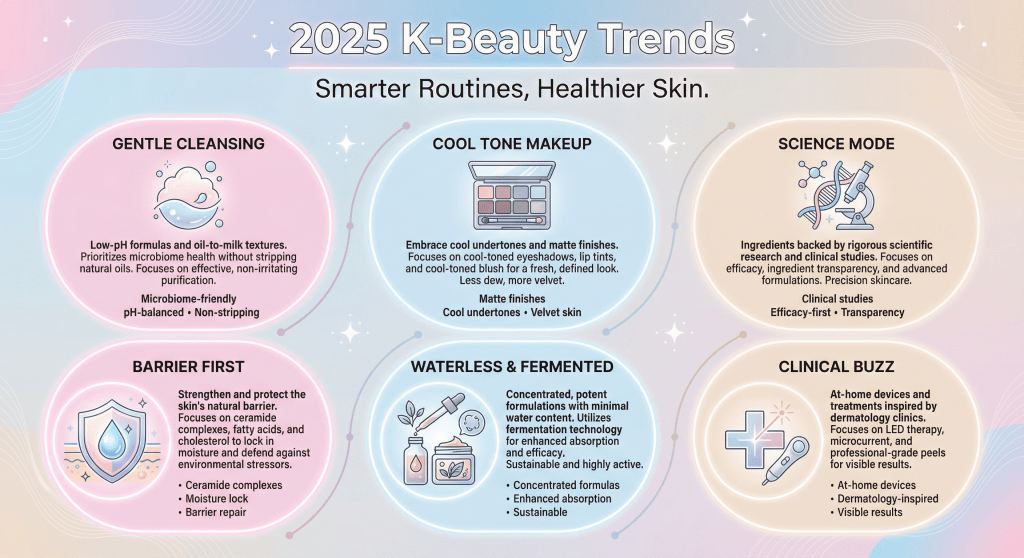
In 2025, the focus clearly shifted toward skin health, personalization, and smarter routines not piling on more steps just because they’re trendy.
Here’s a beginner-friendly breakdown of the trends that shaped the year, and why they mattered.
1. Cleansing Got Gentler (But Smarter)
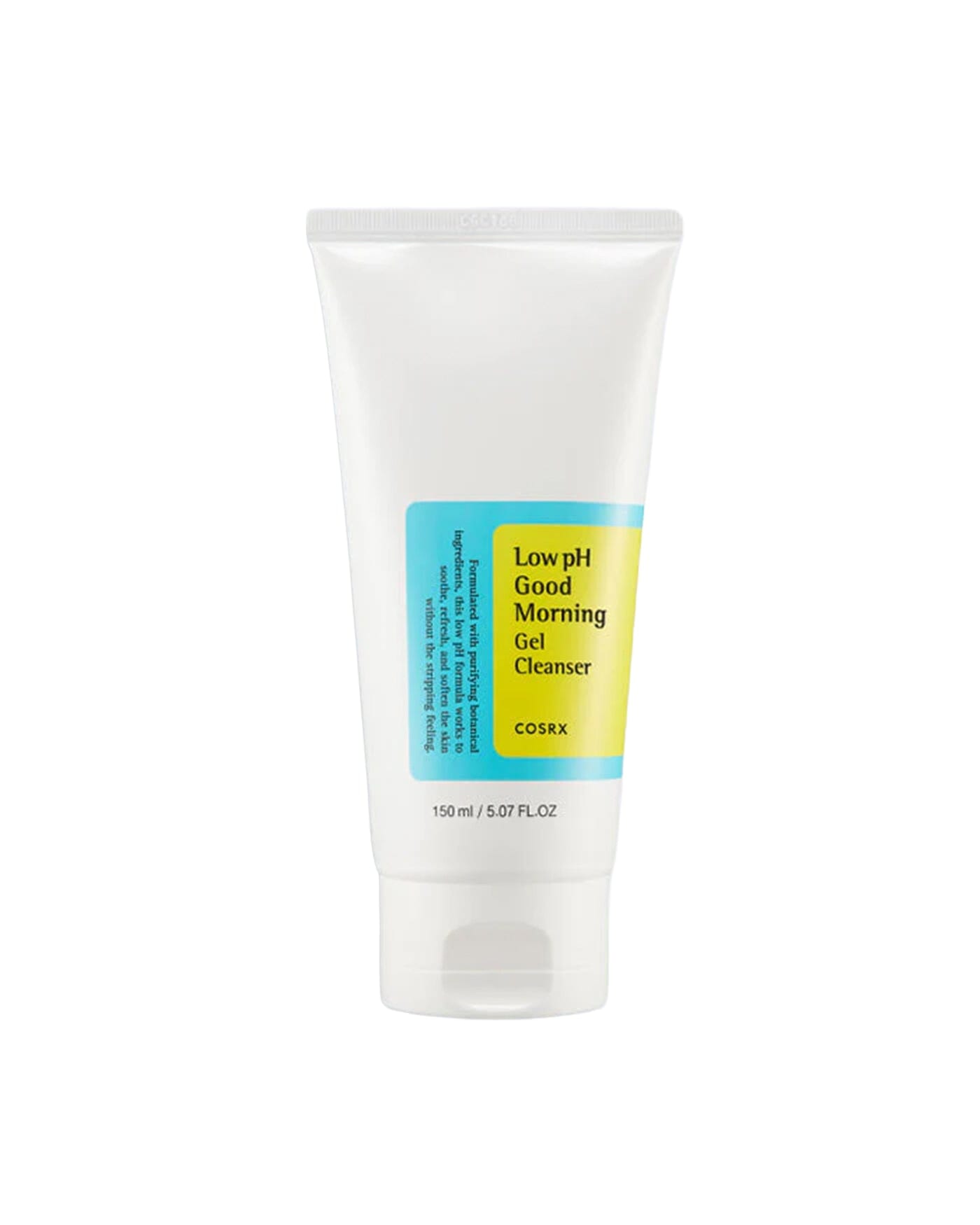
Cleansing trends in 2025 moved away from harsh, squeaky-clean formulas.
Instead, the spotlight shifted to low-pH cleansers, barrier-friendly ingredients, and minimal friction.
Cleansing was no longer about feeling “extra clean,” but about staying balanced.
Why it trended:
Many people realized that over-cleansing was quietly causing breakouts, redness, and dehydration.
Healthy skin starts with not stripping it.
2. Makeup Trends: Cool Tones & Matte-Soft Skin

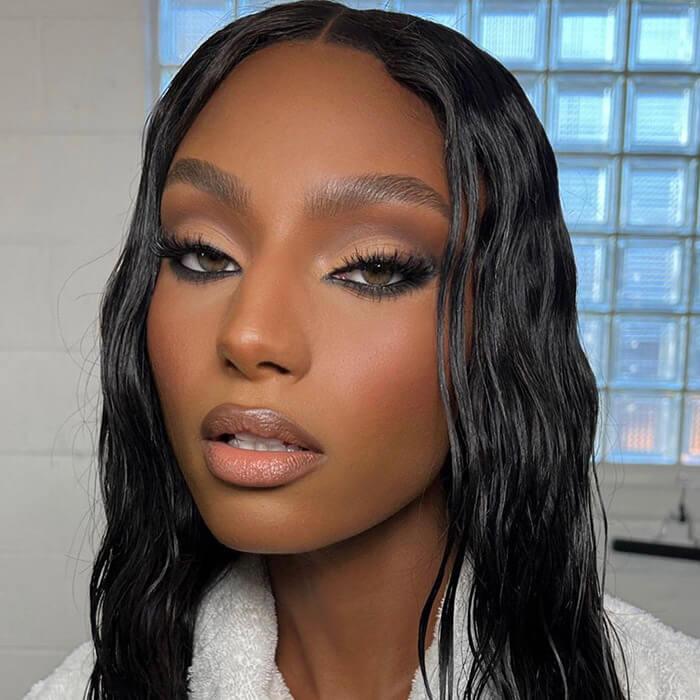

Makeup in 2025 leaned cool, calm, and controlled.
Cool-toned palettes, muted shades, and soft-matte skin replaced overly glossy, heavy finishes.
The goal wasn’t shine! it was balance.
Why it trended:
Matte-soft skin photographs well, feels more wearable in daily life, and pairs naturally with skincare-focused routines underneath.
3. Skin Care Went Full Science Mode
Buzzwords like biotechnology, microbiome care, exosomes, and EGF appeared everywhere — from ingredient lists to brand storytelling.
Skincare marketing became noticeably more technical and research-focused.
Why it trended:
Consumers became more ingredient-literate and curious about how products work, not just what they promise.
Science-backed explanations helped build trust in a crowded market.
4. Barrier First: Skin Flooding & Double SPF


Instead of aggressive actives, hydration and protection strategies took center stage.
Methods like skin flooding (layering hydrating products on damp skin) and double SPF routines became widely discussed.
Skin comfort mattered more than intensity.
Why it trended:
After years of over-exfoliation and active overload, many people experienced barrier damage.
2025 felt like a reset year — focused on repair, not correction.
5. Waterless & Fermented Formulas

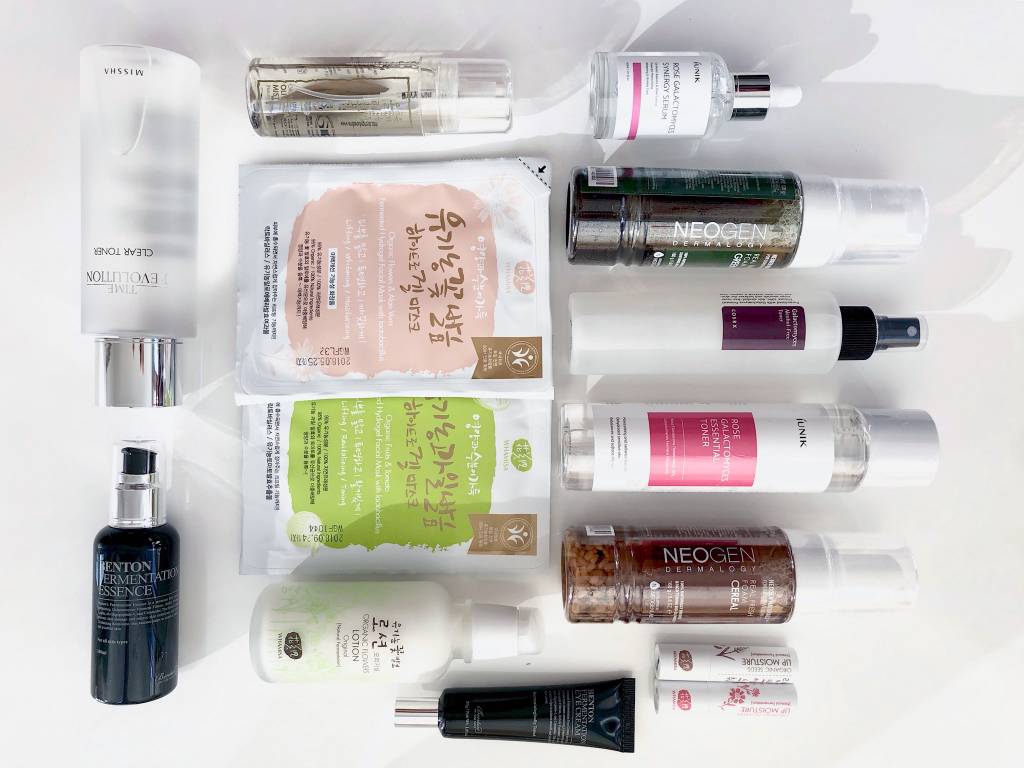
Waterless skincare and fermented ingredients gained attention for their concentrated formulas and perceived efficiency.
These products felt more intentional and less diluted.
Why it trended:
Sustainability concerns, longer shelf life, and the belief that fermentation may improve ingredient absorption all played a role in their popularity.
6. Well-known clinic (Observed, Not Prescriptive)
Certain clinic-based terms (L’MEDIQUE clinic) including stem-cell-related therapies, XERF, and BBL etc., Dr. Lee appeared frequently in media and online conversations.
They became part of the broader beauty discussion, even outside clinics.
Important note for beginners:
These were conversation trends, not home-care recommendations.
Clinic procedures are highly individual, regulated, and outside the scope of daily skincare routines.
What All These Trends Have in Common
Despite sounding very different, most 2025 K-Beauty trends shared the same core ideas:
- Less irritation, more balance
- Skin barrier over quick fixes
- Smarter routines instead of longer ones
- Curiosity about ingredients — not blind hype
Final Takeaway: Trends Come and Go, Skin Basics Stay
If you’re new to K-Beauty, trends are useful context, not rules you must follow.
Understanding why something became popular matters far more than copying it step by step.
Build your basics first.
Then use trends as inspiration — not pressure.
Your skin will thank you for it.
 K Beauty Start
Leave a comment