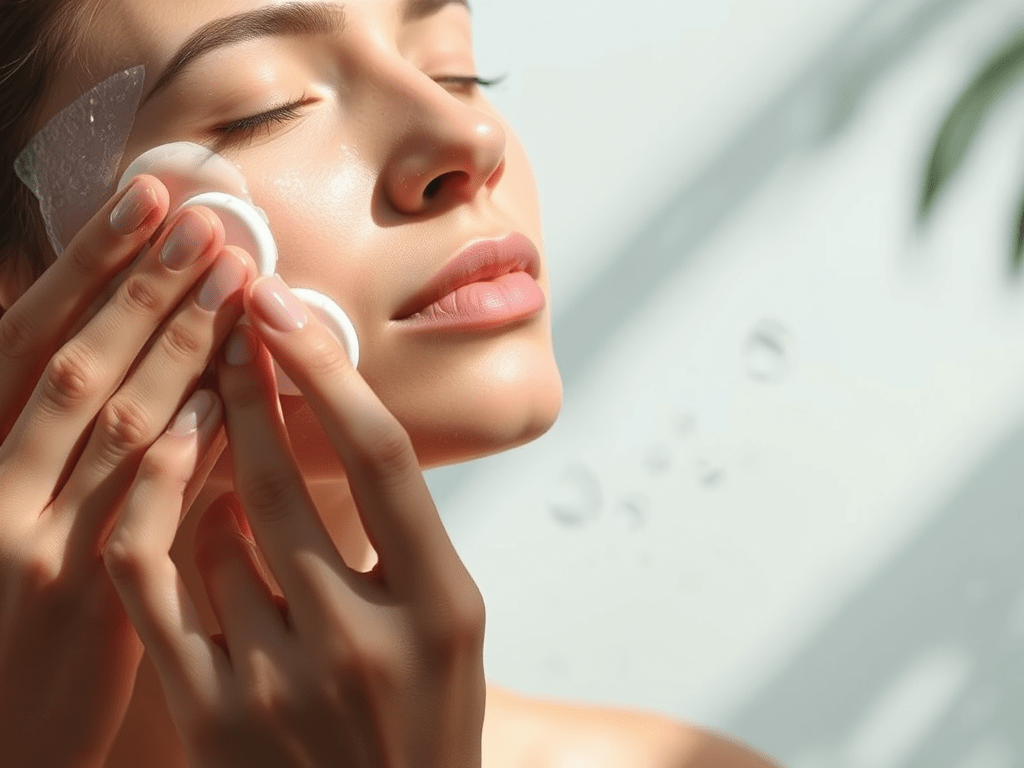
Skin flooding sounds complicated, but it’s actually a very simple idea.
Instead of relying on one thick moisturizer, you hydrate your skin in light layers, while it’s still slightly damp.
This guide explains what skin flooding really means, why it became popular, and how beginners can adapt it for different skin types, without overdoing it.
What Is Skin Flooding, Really?


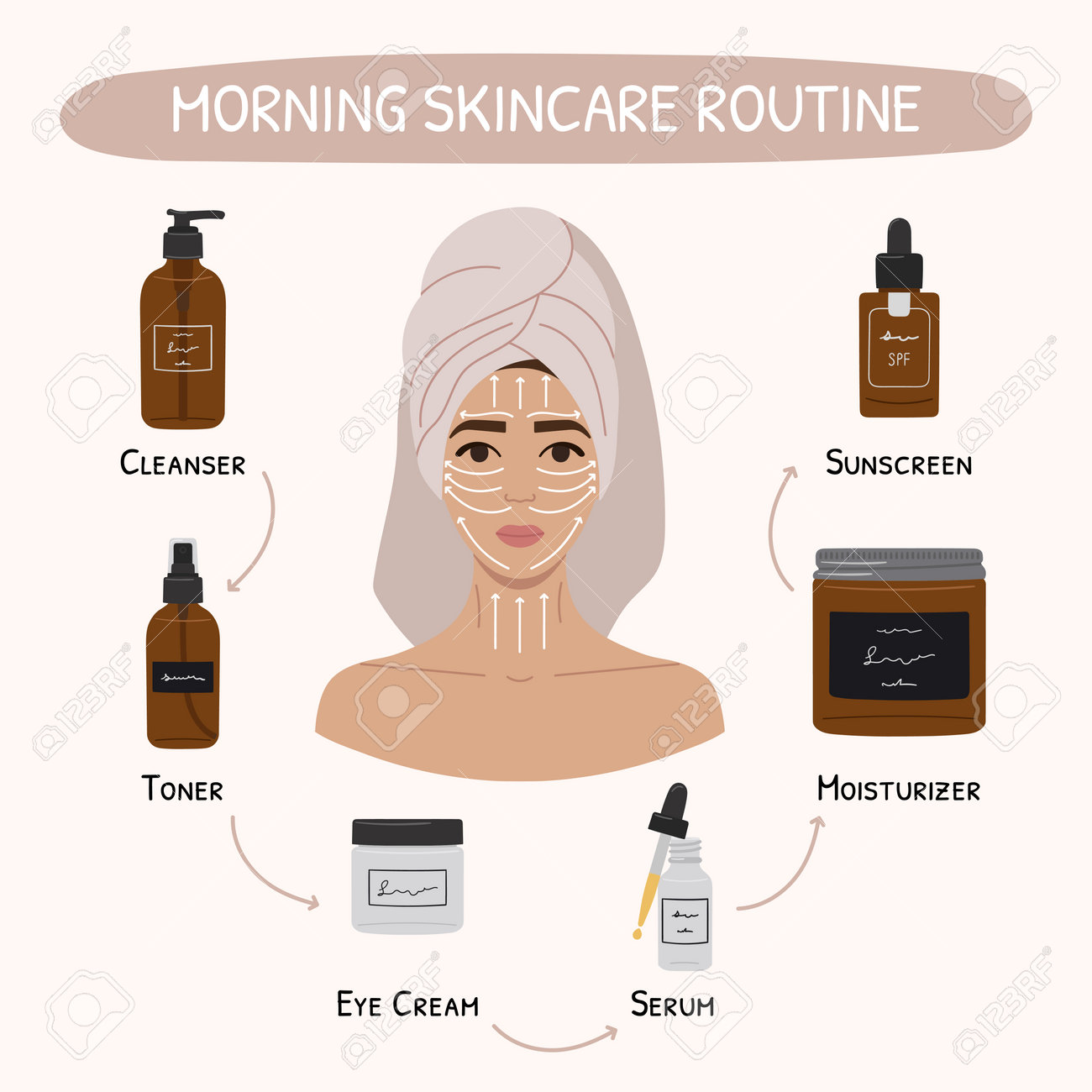
Skin flooding means applying hydrating products one by one, starting with watery textures and finishing with a moisturizer that seals everything in.
The key idea is simple:
- Water-based hydration first
- Sealing and protection last
It’s not about using many products.
It’s about using the right order.
Why Skin Flooding Became Popular


Many people realized something important:
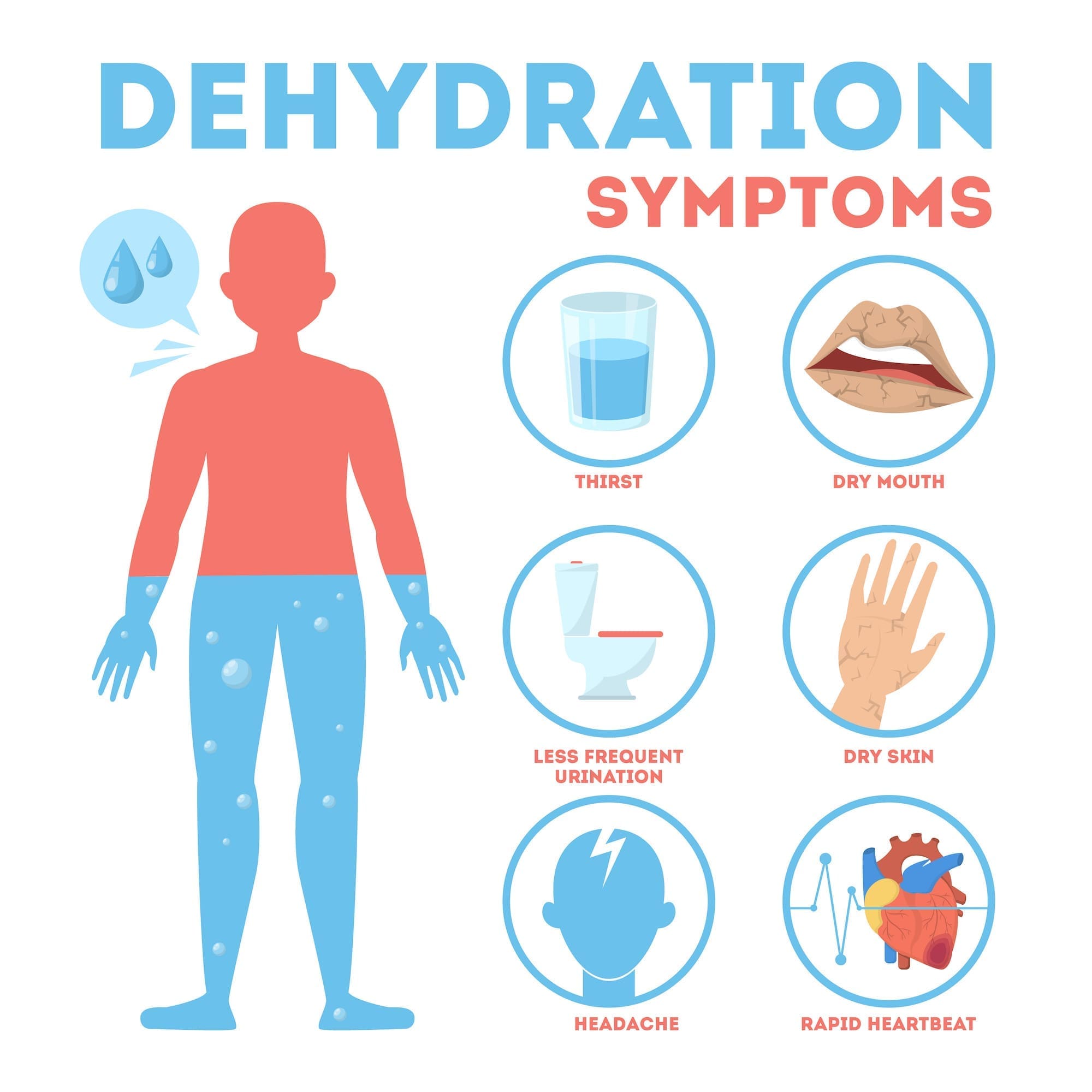
their skin was oily or irritated because it was dehydrated, not because it had “too much moisture.”
Modern lifestyles : air conditioning, heating, sunscreen, active ingredients—often leave skin lacking water.
Skin flooding focuses on restoring comfort first, before targeting other concerns.
The Basic Skin Flooding Order (Beginner Version)
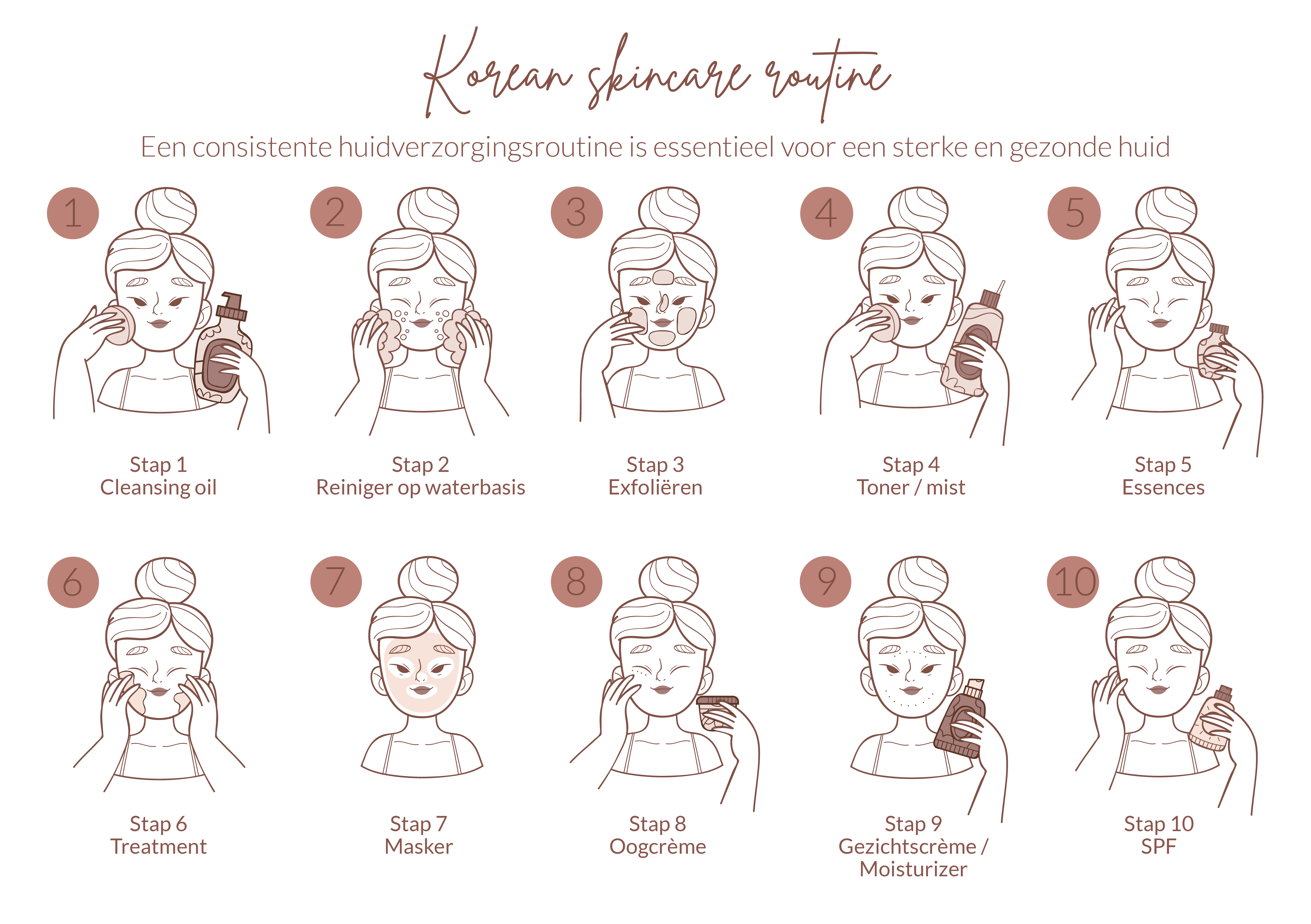


A beginner-friendly skin flooding routine looks like this:
- Cleanse
- Hydrating toner or essence
- Hydrating serum (optional)
- Moisturizer
That’s it.
No special tools, no complex timing.
Skin Flooding for Oily Skin

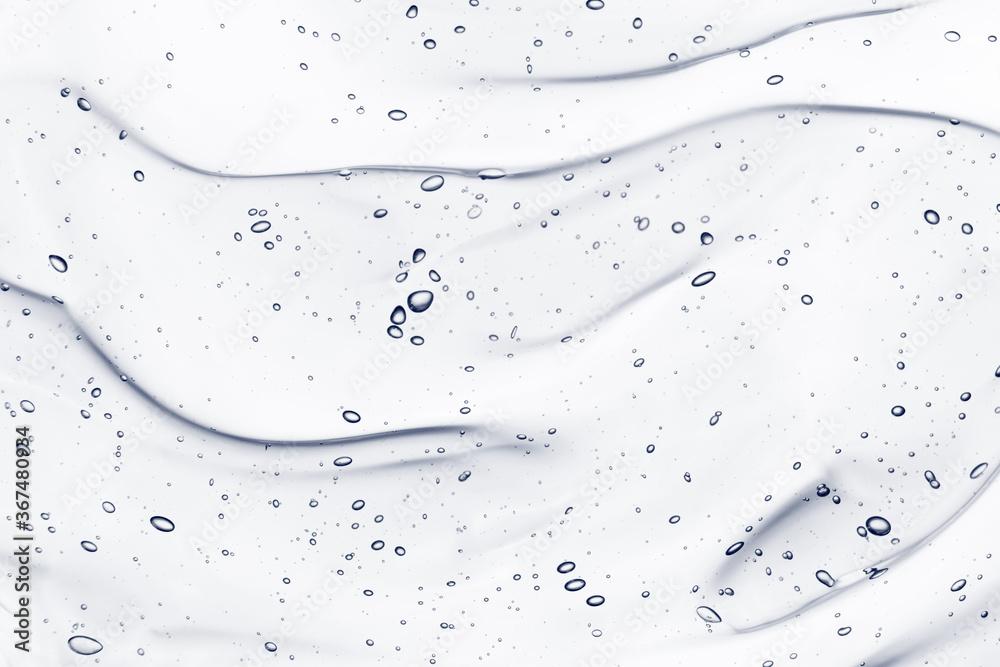
Oily skin often skips hydration, but that usually backfires.
When skin lacks water, it may produce more oil to compensate.
How to adapt skin flooding for oily skin:
- Use very lightweight, watery products
- Choose gel or lotion-type moisturizers
- Apply thin layers instead of one heavy layer
Your skin should feel hydrated, not greasy.
Skin Flooding for Dry Skin
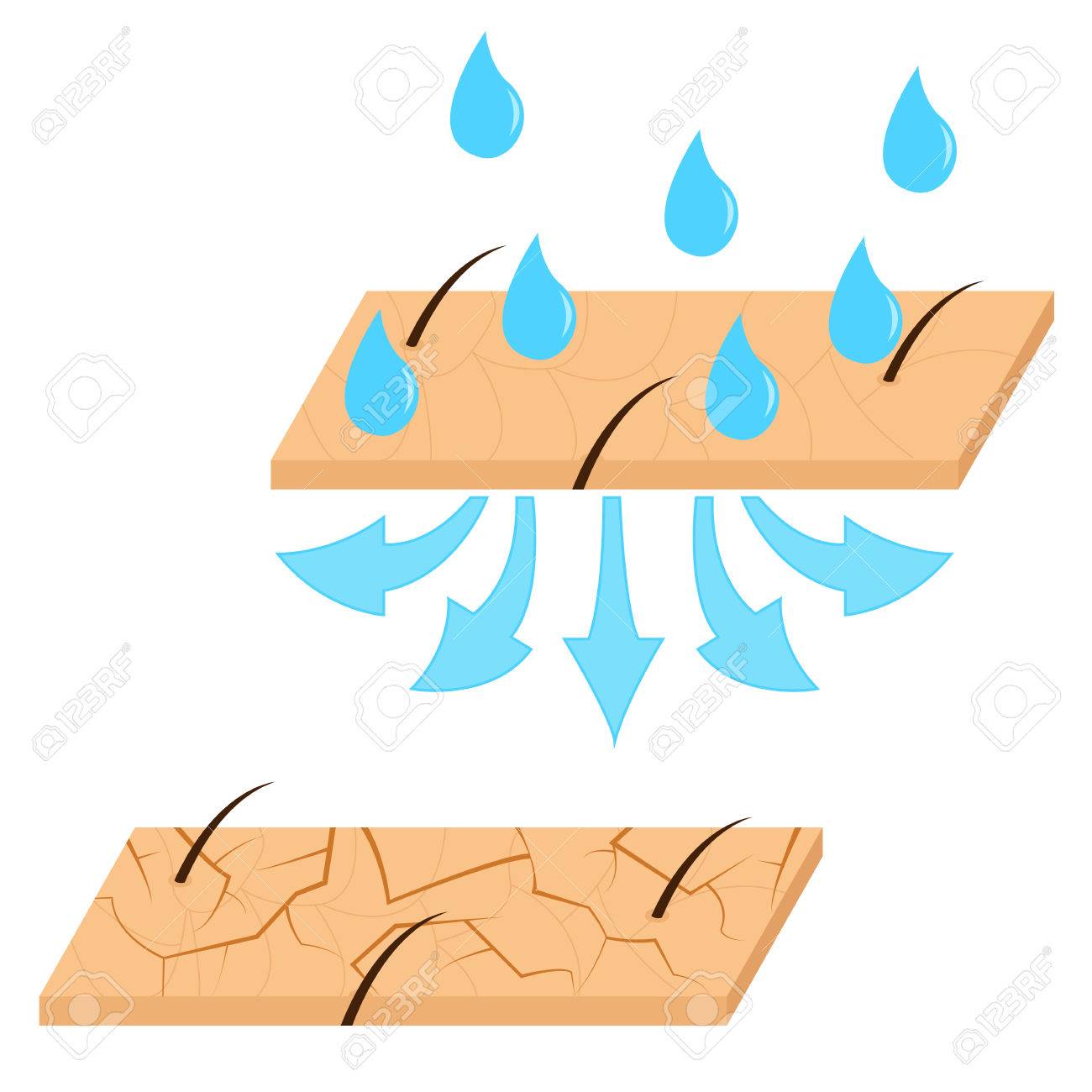
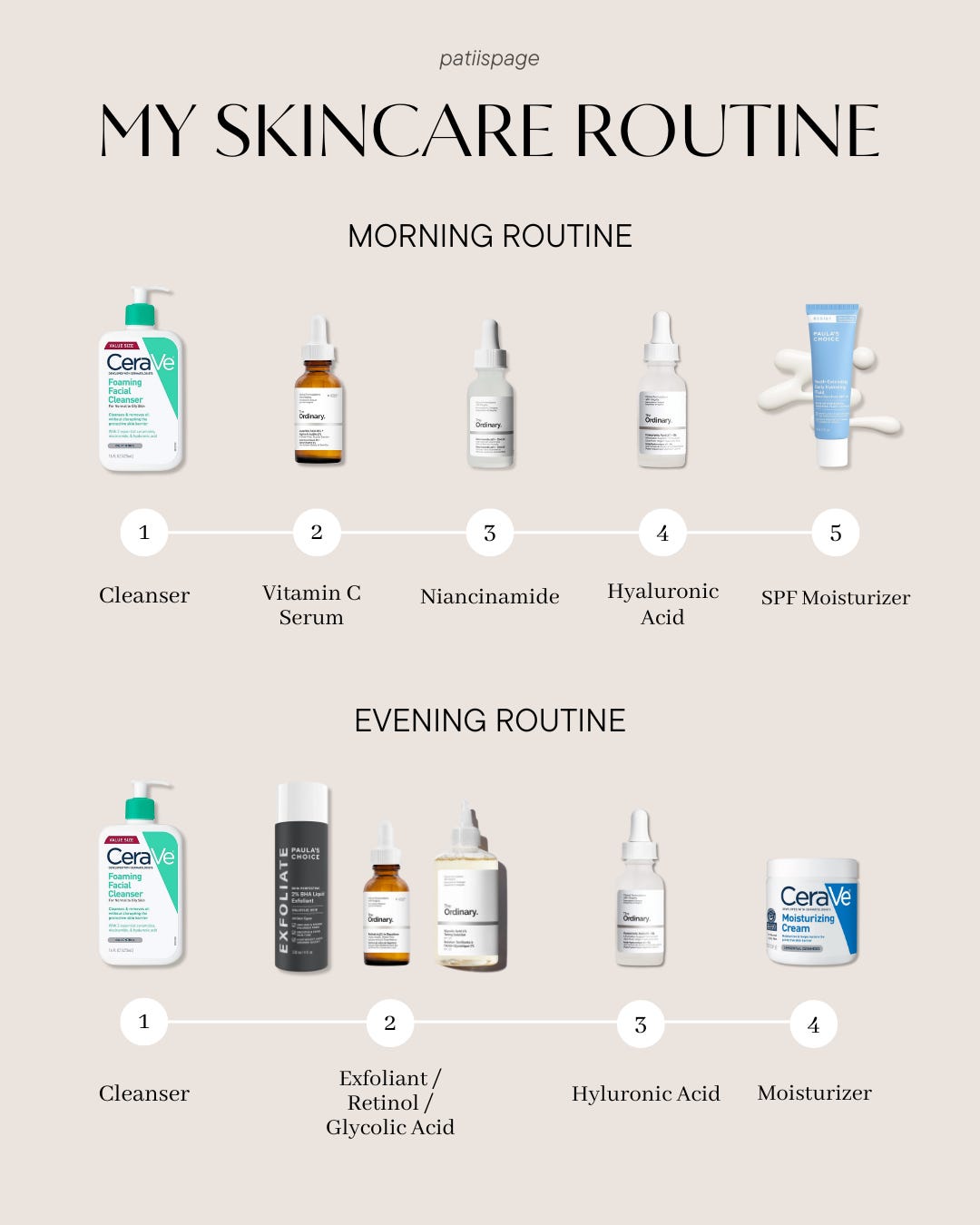

Dry skin usually needs both water and oils.
Skin flooding works especially well here because layering helps prevent moisture from evaporating.
For dry skin:
- Don’t rush between layers
- Use richer moisturizers at the end
- Apply products while skin is still slightly damp
Dry skin benefits from patience and sealing.
Skin Flooding for Combination Skin
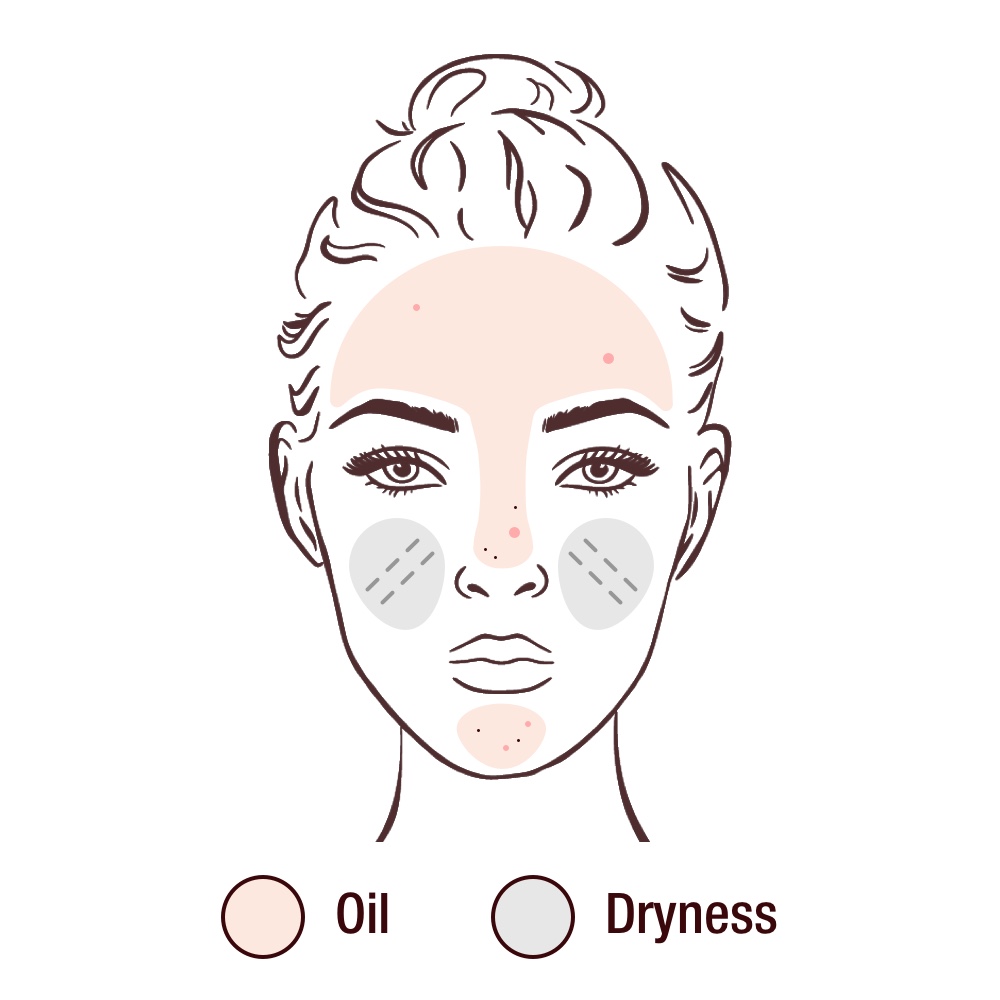
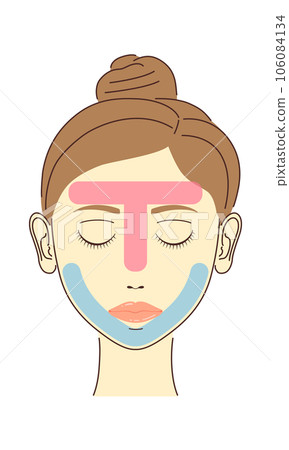
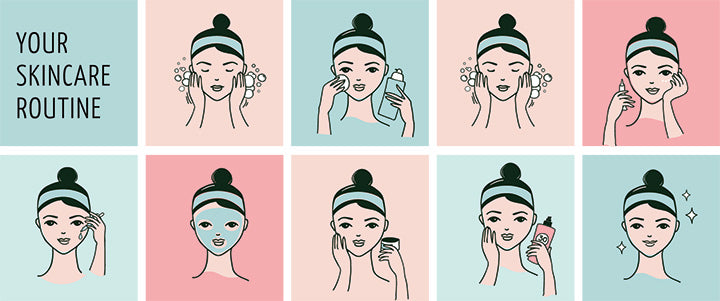
Combination skin doesn’t need one perfect product—it needs flexibility.
A simple approach:
- Light hydration everywhere
- Extra moisture only on dry areas
- Lighter moisturizer on oily zones
You can use the same products, just different amounts.
Skin Flooding for Sensitive Skin

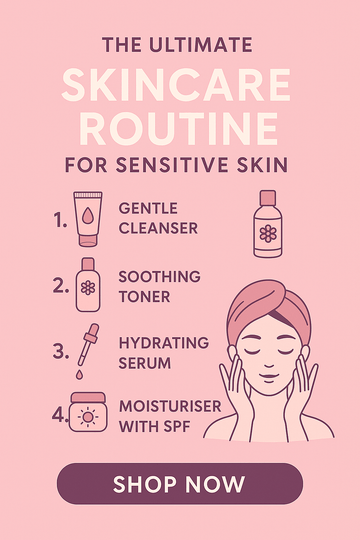

Sensitive skin benefits from skin flooding when it’s kept very simple.
Key rules:
- Fewer products
- Fragrance-free formulas
- Gentle patting, no rubbing
If your skin stings or feels warm, stop and simplify.
Skin flooding should feel calming, not active.
Common Skin Flooding Mistakes

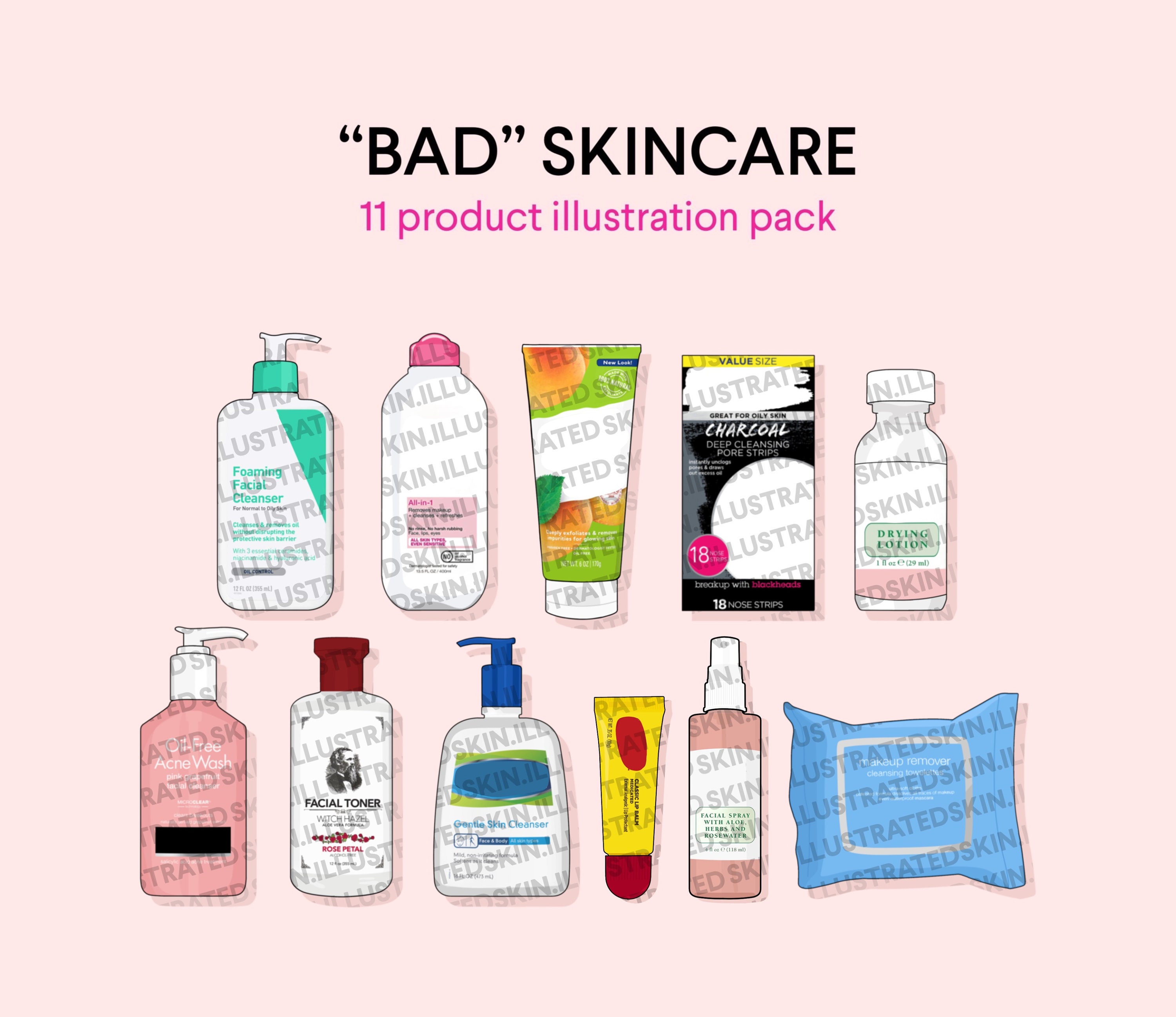
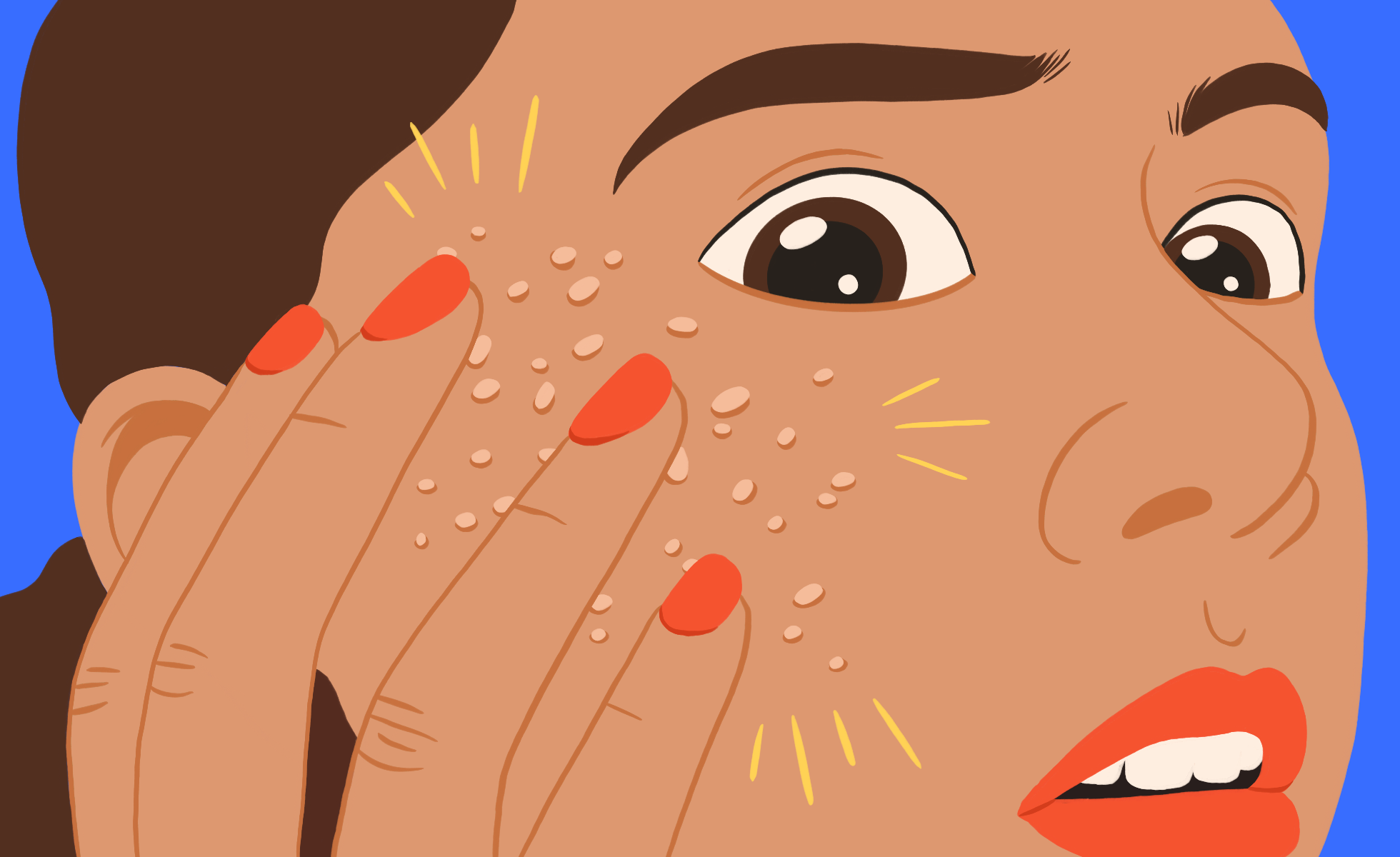
Beginners often run into trouble by:
- Using too many products at once
- Layering without letting products absorb
- Mixing strong actives into hydration routines
- Chasing a sticky or overly glossy finish
Hydration should feel comfortable and light, not heavy.
Morning vs Night Skin Flooding
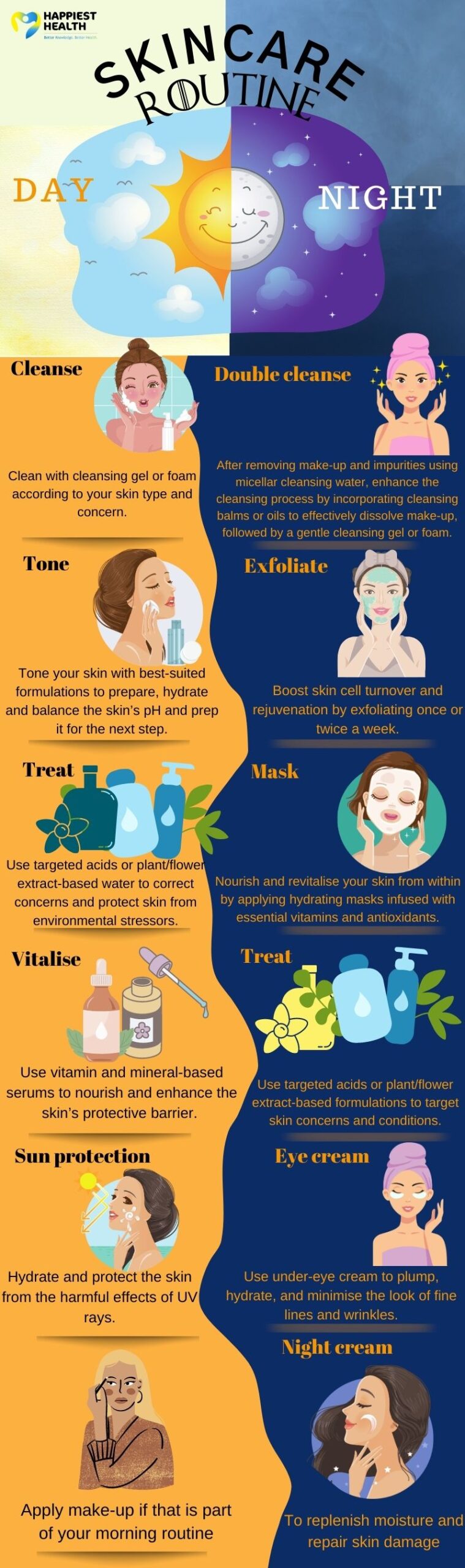
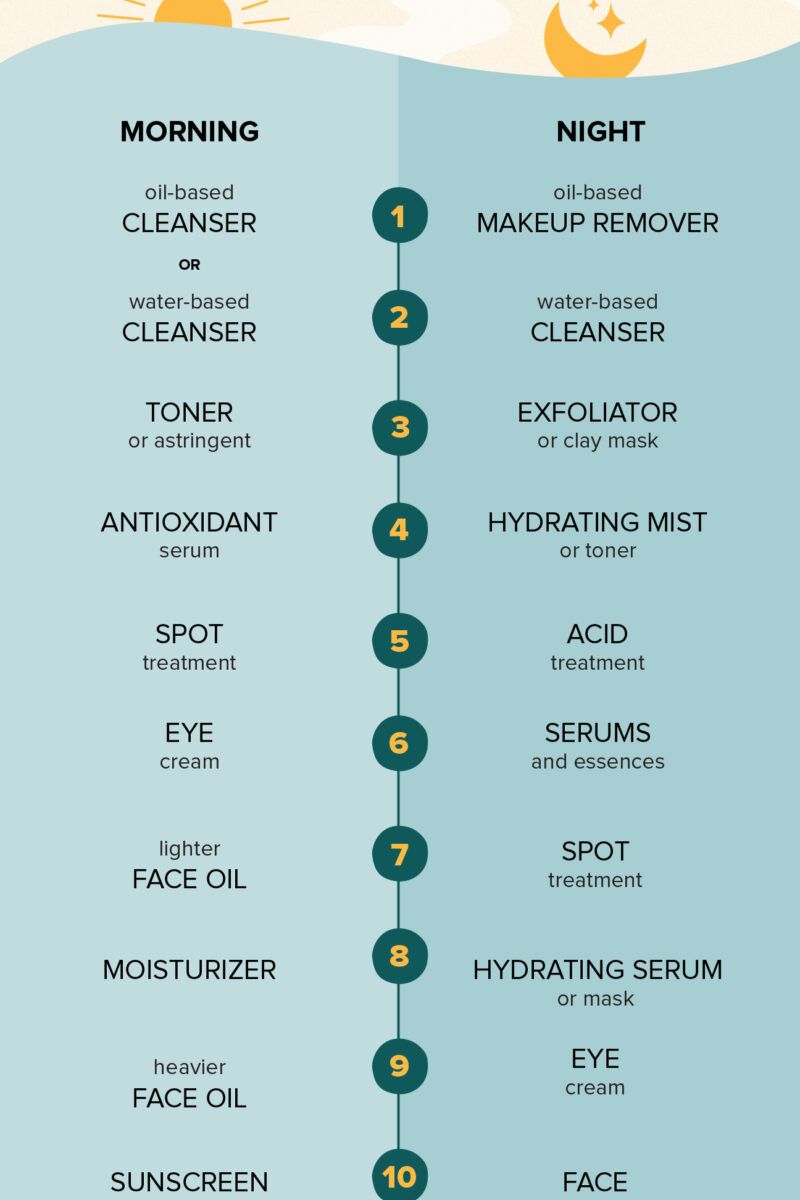

- Morning: lighter layers, fast-absorbing, sunscreen-friendly
- Night: slightly richer layers, more time to absorb
You don’t need the same routine morning and night.
Final Takeaway: Skin Flooding Is a Method, Not a Trend
Skin flooding isn’t about doing more.
It’s about helping your skin hold onto water.
If you’re a beginner, start small:
- One hydrating layer
- One moisturizer
- Consistency over complexity
Healthy skin usually comes from simple routines done well.
 K Beauty Start
Leave a comment