
Fermented ingredients are a quiet superstar in K-Beauty.
You’ll find them in essences, toners, and serums—often with the simple promise that “fermented = better.”
But what does fermentation actually do for your skin?
And which fermented ingredients should a beginner really know about?
Let’s break it down in a practical, straightforward way.
What “Fermented” Really Means in Skincare
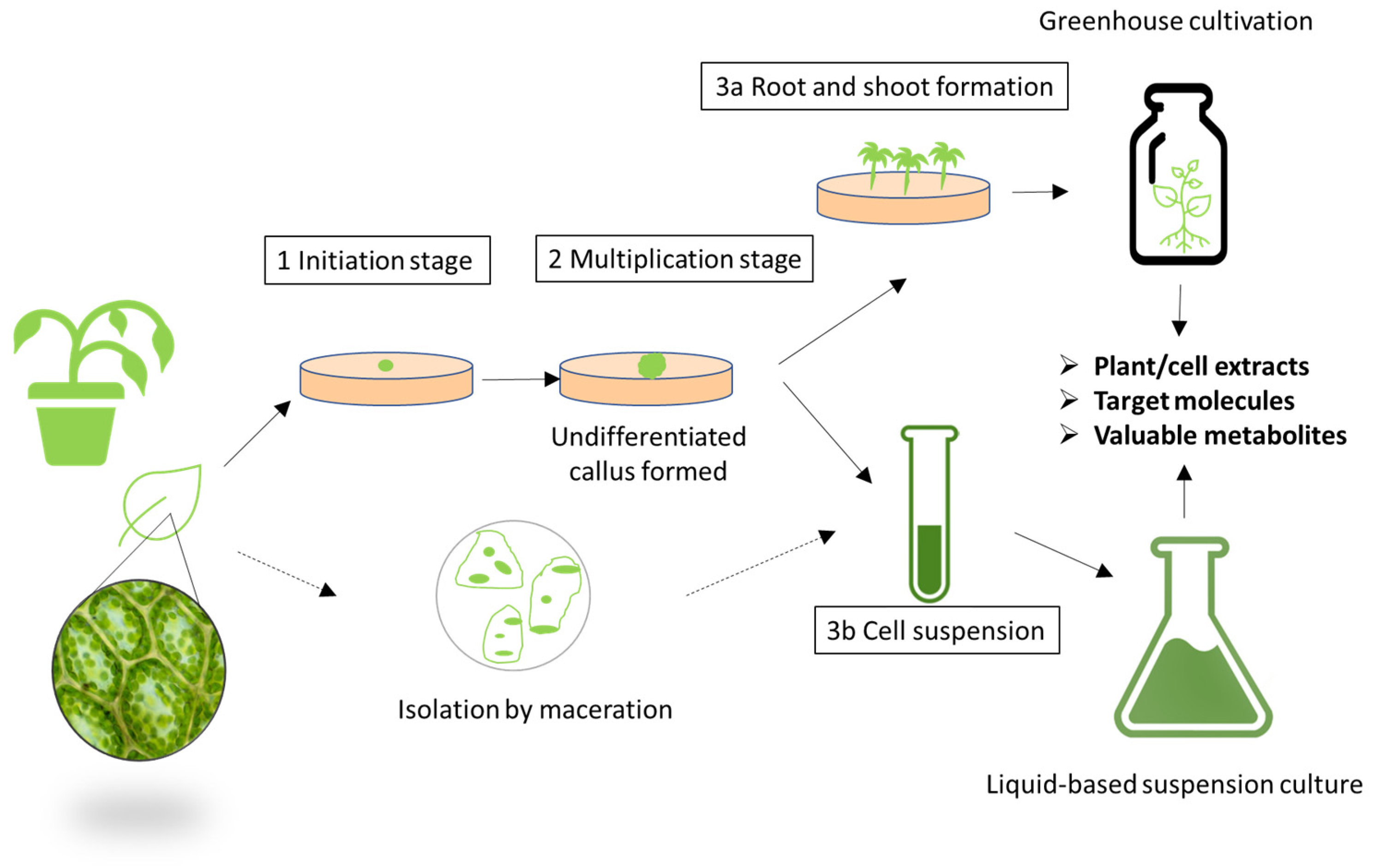
In skincare, “fermented” means a natural ingredient ; such as rice, soy, yeast, or green tea; has been processed with microorganisms like bacteria or yeast.
This process breaks down the original material and can create new components, including amino acids and peptides.
Why it matters for beginners:
This breakdown is believed to help create formulas that feel more skin-compatible and absorb easily, which fits perfectly into K-Beauty’s lightweight, layered approach.
That said, “fermented” does not automatically mean gentle for everyone.
If you have sensitive or reactive skin, patch testing is always essential.
Why Fermentation Is a K-Beauty Staple
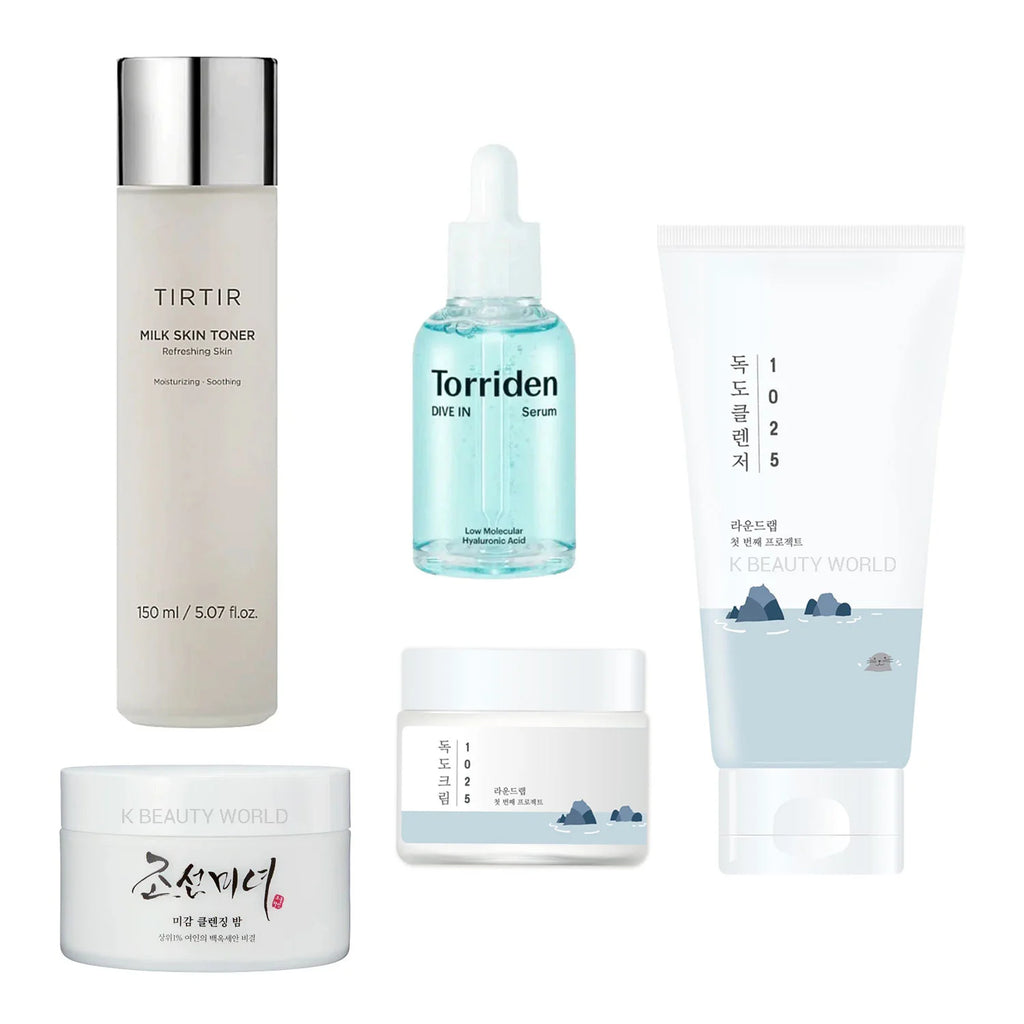
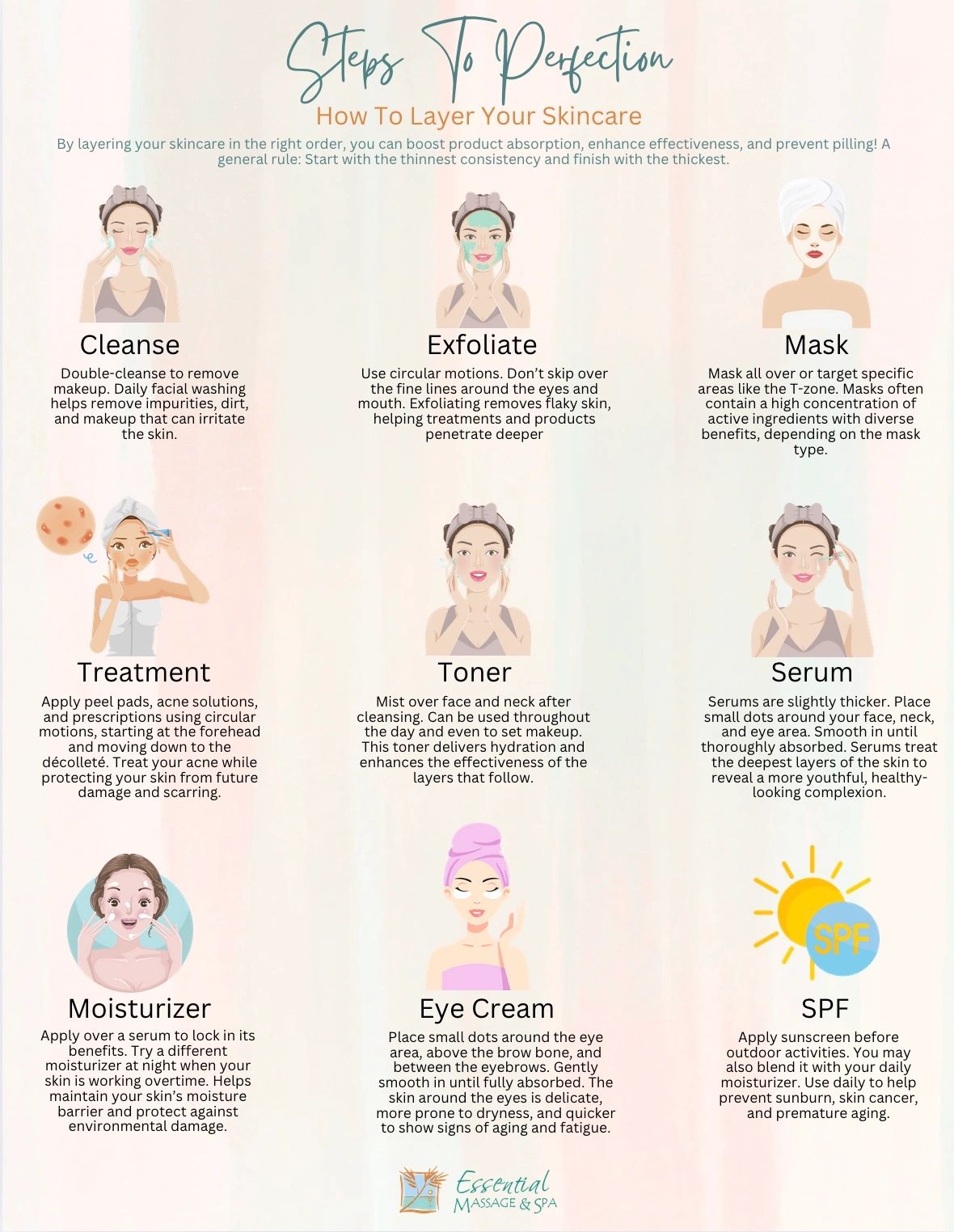
K-Beauty emphasizes gentle, consistent care rather than quick fixes.
Fermented ingredients align naturally with this philosophy because they are commonly found in products designed for hydration and long-term skin comfort.
They became popular not because they promise instant results, but because they support the idea of a resilient, well-hydrated skin barrier through daily routines.
Key Fermented Ingredients to Know

Here are some of the most common fermented ingredients you’ll see—and how they’re typically used:
- Galactomyces Ferment Filtrate (GFF):
Often found in essences aimed at improving brightness and skin texture. Some research discusses its relationship with hydration and barrier comfort, though results vary depending on the individual and the full formula. - Bifida Ferment Lysate:
Commonly associated with barrier support and skin resilience. It’s frequently chosen in routines focused on strengthening and recovery. - Saccharomyces Ferment (Yeast Ferment):
Widely used in hydrating and smoothing formulas. These ferment filtrates may contain a mix of amino acids, vitamins, and other nutrients.
You’ll also see fermentation applied to familiar ingredients:
- Fermented Soy & Rice: Often used in nourishing or brightening-focused products.
- Fermented Green Tea: Commonly found in calming, antioxidant-oriented formulas.
Which Skin Concerns Might Benefit from Ferments?

If you’re thinking about trying fermented ingredients, here’s a safe, beginner-friendly way to approach them:
- Dehydrated or “tight” skin:
Fermented toners or essences often work well in hydration-focused routines. - Dullness or uneven texture:
Some people find ferment-heavy products helpful here, though results vary widely. - A “barrier-repair” mindset:
Ferments are often chosen during gentle, recovery-focused phases of skincare.
Beginner rule:
Treat ferments like any new active ingredient. Start with one product and observe your skin for 2–3 weeks before adding anything else.
How to Add Ferments to Your Routine Simply
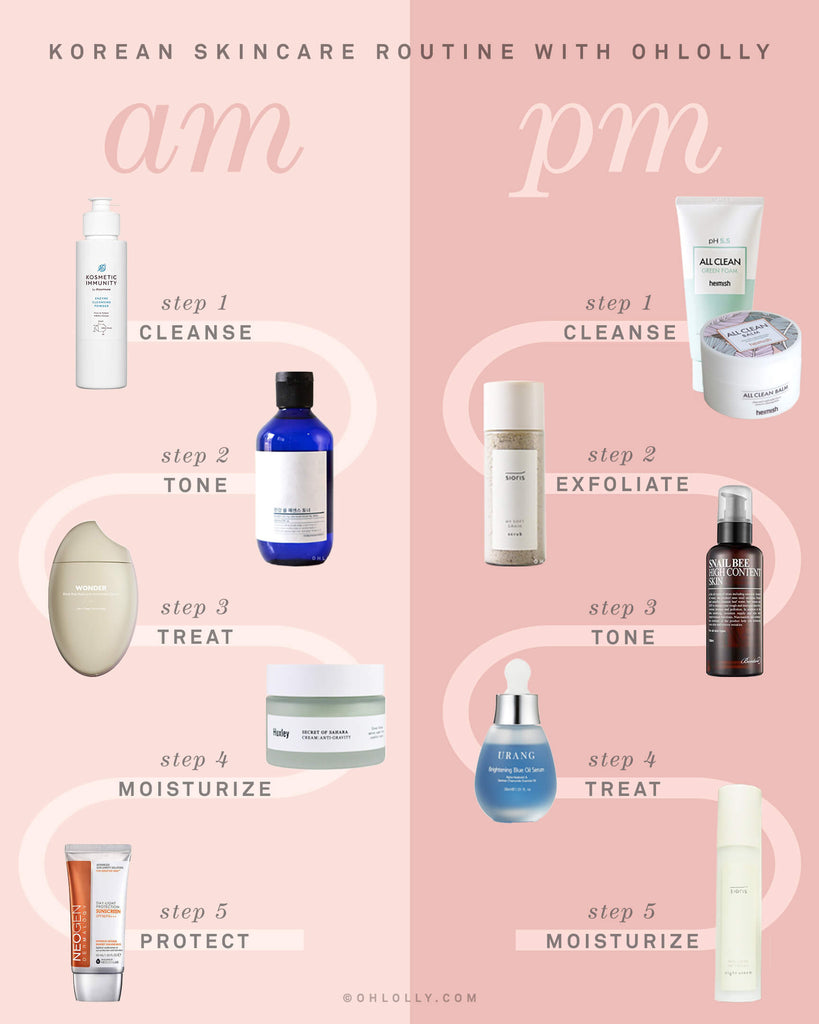
As a beginner, there’s no need to build an entire routine around fermented ingredients.
Instead, add one ferment product to your existing basics.
A simple approach:
- AM: Gentle cleanse → Moisturizer → Sunscreen
- PM: Gentle cleanse → Fermented essence or toner (your one new step) → Moisturizer
This keeps your routine effective, manageable, and easy to maintain long term.
Final Takeaway: A Tool, Not a Magic Solution

Fermented ingredients are popular in K-Beauty because they support its core philosophy:
gentle, consistent, long-term skin care.
They’re a useful tool—but not a requirement and not a shortcut.
If you’re curious, start simple, patch test, and let your skin’s response guide you.
The most effective K-Beauty routine is the one you can stick with.
Ready to build your foundation?
Start with our guide on
👉how to identify your skin type, the first step to personalizing any routine.
 K Beauty Start
Leave a comment