
The Korean beauty industry has revolutionized global skincare practices with its multi-step routines and innovative product formulations. However, for many consumers navigating the world of K-beauty, one significant source of confusion remains: the wide variety of liquid skincare products that populate bathroom shelves and product catalogs.
Essences, serums, ampoules, toners, and tonics often appear interchangeable at first glance. In reality, each serves a distinct purpose and occupies a specific position within a skincare routine. Understanding these differences is not simply academic: it directly affects product performance, routine efficiency, and long-term skin health.
This guide breaks down these categories by formulation, concentration, function, and routine placement. By the end, you will be able to build a routine that is intentional rather than excessive.
Why This Knowledge Matters
K-beauty emphasizes layering multiple lightweight products to address hydration and treatment simultaneously. This method only works when each layer has a clear role.
First: it prevents unnecessary spending. Many users unknowingly purchase products that perform nearly identical functions.
Second: correct order determines effectiveness. Applying products in the wrong sequence can block absorption or reduce active performance.
Third: personalization becomes possible. Skin type and condition determine whether hydration, oil control, calming, or intensive treatment should take priority.
Clarifying Terms: The Foundation
The Distinction Between Toner, Essence, and Toning Liquid
In Korean skincare, “toner” typically refers to a hydrating, skin-prep product rather than an alcohol-based cleanser. This differs from traditional Western toners, which often focus on oil removal or astringent effects.
Because of this, terms like toner, toning liquid, and essence sometimes overlap. The key difference lies not in the name, but in texture, concentration, and purpose.
Essences: The Gateway to Hydration

Definition and Characteristics
An essence sits between toner and serum in both texture and function. It is lightweight, water-based, and designed primarily to hydrate and prepare the skin.
Viscosity Profile:
Watery to lightly viscous: quickly absorbed, non-occlusive.
Composition:
Typically 50–70% water combined with humectants like glycerin or hyaluronic acid, plus botanical or fermented extracts.
Concentration Level:
Low to moderate: suitable for daily use without stressing the skin barrier.
Functions and Benefits
Essences hydrate, soften, and prime the skin. They improve absorption of subsequent products and help maintain a balanced moisture environment.
They may include mild actives such as niacinamide or fermented ingredients, but their role remains supportive rather than corrective.
Routine Position
Cleanser
Toner (optional)
Essence
Serum / Ampoule
Moisturizer
Sunscreen (AM)
Serums: Concentrated Treatment Solutions
Definition and Characteristics
Serums are targeted treatment products with higher active concentrations than essences.
Viscosity:
Light to medium: varies based on formulation.
Active Concentration:
Commonly 5–15%, depending on ingredient type.
Common Actives:
Vitamin C, niacinamide, peptides, acids, centella, snail filtrate.
Functions and Benefits
Serums address specific concerns: pigmentation, acne, dehydration, aging, or texture. They are problem-focused rather than foundational.
Routine Position
Essence
Serum
Moisturizer
Multiple serums can be layered if their functions differ and the skin tolerates them well.
Ampoules: Intensive Concentration and Premium Treatment
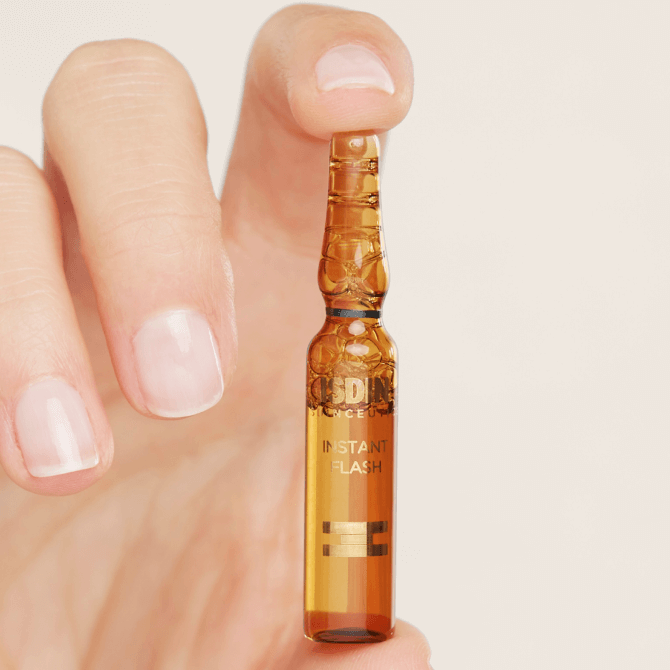
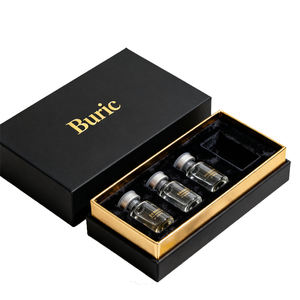
Definition and Characteristics
Ampoules represent the highest concentration category. Inspired by pharmaceutical dosing, they are designed for short-term, intensive use.
Active Concentration:
Often 20–50% or higher.
Usage Pattern:
Cycles rather than continuous daily use.
Types of Ampoules
Hydrating: intense moisture support
Brightening: tone correction
Anti-aging: elasticity and renewal
Calming: barrier repair and redness
Specialist: acne, pores, post-stress care
Routine Position
Essence
Ampoule
Serum (optional)
Moisturizer
Use caution when combining ampoules with other strong actives.
Comparative Overview
| Category | Essence | Serum | Ampoule |
|---|---|---|---|
| Role | Hydration & prep | Targeted treatment | Intensive correction |
| Concentration | Low | Medium | High |
| Frequency | Daily | Daily or several times/week | Cycles or 2–3x/week |
| Skin Sensitivity | High tolerance | Depends on actives | Requires caution |
Layering Principles That Matter
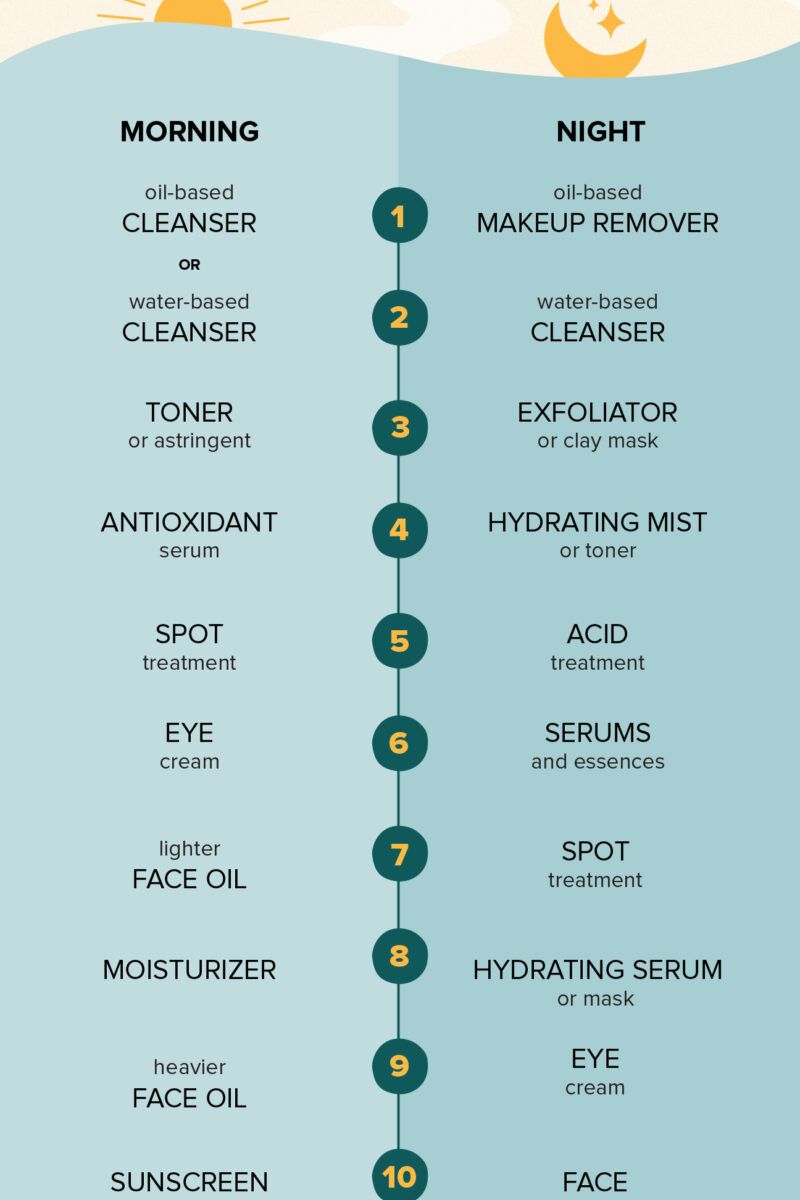

Lightest to Heaviest:
Always move from watery to richer textures.
Water Before Oil:
Oil-based products should come last to avoid blocking penetration.
Absorption Time:
30–60 seconds between layers reduces pilling and improves efficacy.
Common Misconceptions
More products ≠ better skin
Higher price ≠ higher compatibility
Natural ≠ universally gentle
Skin responds best to consistency, restraint, and compatibility.
Final Takeaway
Essences, serums, and ampoules are not interchangeable. They form a hierarchy of hydration, treatment, and intervention.
Essence builds the foundation.
Serum targets the problem.
Ampoule accelerates change.
Understanding these roles allows you to simplify rather than complicate your routine: fewer products, better results, and healthier skin over time.
Wrap It Up: How to Gently Shove Your Readers Toward the Next Adventure!
K-Beauty for Beginners: How to Start a Korean Skincare Routine
 K Beauty Start
Leave a comment