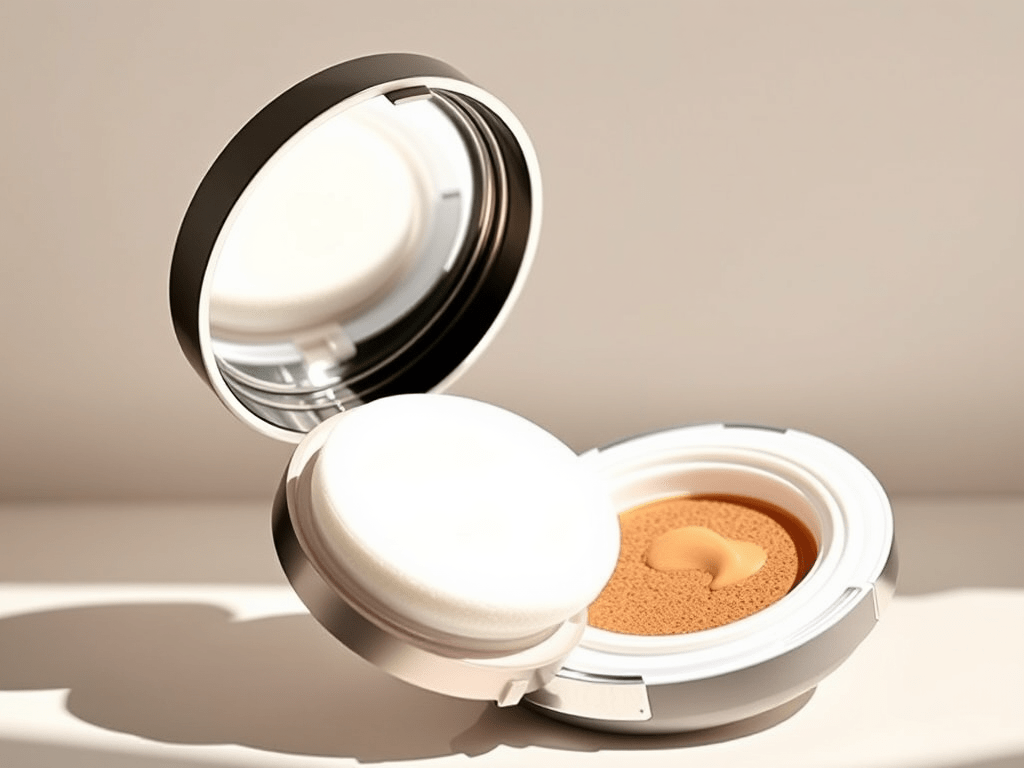
Walk into any K-beauty store and you’ll see rows of compact cases that look like powder compacts. Open one up and instead of powder, you’ll find a sponge soaked in foundation. These are cushion foundations—one of K-beauty’s most innovative creations.
If you’re new to Korean makeup, cushion compacts might seem confusing at first. What makes them different from regular foundation? How do you choose the right one? And do they actually work for beginners?
This guide breaks down everything you need to know about cushion foundations, from coverage levels to finish types, so you can find one that works for your skin.
What Exactly Is a Cushion Foundation?
How is it different from regular foundation?
A cushion foundation stores liquid foundation inside a sponge (the “cushion”). You press an applicator puff onto the cushion to pick up product, then pat it onto your face. The packaging usually looks like a compact case with a mirror.
Why did K-beauty create this format?
The cushion format was designed for convenience and portability. It combines foundation, sun protection, and sometimes skincare benefits in one compact case. You can touch up makeup anywhere without carrying multiple products.
Is the application method different?
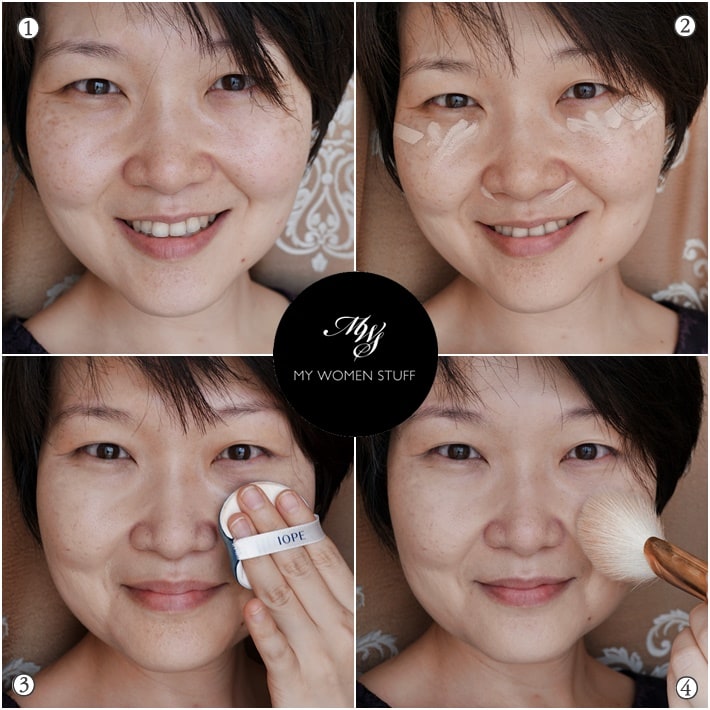
Yes. Instead of rubbing or blending with brushes, you pat the product onto your skin with a special puff. This patting motion (often called “tapping”) helps the foundation sit evenly without disturbing the skin underneath.

What Are the Main Advantages of Cushion Foundations?
Convenience and portability
The compact design fits easily in small bags. The built-in mirror makes touch-ups simple, and no separate tools are required.
Built-in sun protection
Most cushion foundations include SPF 30–50. This does not replace dedicated sunscreen for long outdoor exposure, but it adds an extra layer during reapplication.
Lightweight feel
Many people find cushions feel lighter than traditional liquid foundations. The patting application usually creates thinner, more breathable layers.
Easy for beginners
The puff application is often easier to control than brushes or sponges. Mistakes are harder to make, and results tend to look more natural.
What Coverage Levels Do Cushions Offer?

Light (Sheer / Natural) Coverage
These cushions even out skin tone without hiding natural texture. Skin still looks like skin.
Who might prefer this:
- People with relatively clear skin
- Those who want a no-makeup makeup look
- Anyone who dislikes heavy foundation
Medium Coverage
This level covers mild redness and small blemishes while maintaining a skin-like finish. It is the most common option in K-beauty cushions.
Who might prefer this:
- People with mild to moderate skin concerns
- Those wanting coverage that lasts through the day
- Anyone seeking balance between natural and polished
Full Coverage
These cushions offer stronger coverage and are usually buildable in layers.
Who might prefer this:
- People with acne, scarring, or uneven tone
- Those who want longer-lasting coverage
- Anyone preparing for events or photography
How Do the Different Finishes Look?

Dewy / Glow Finish
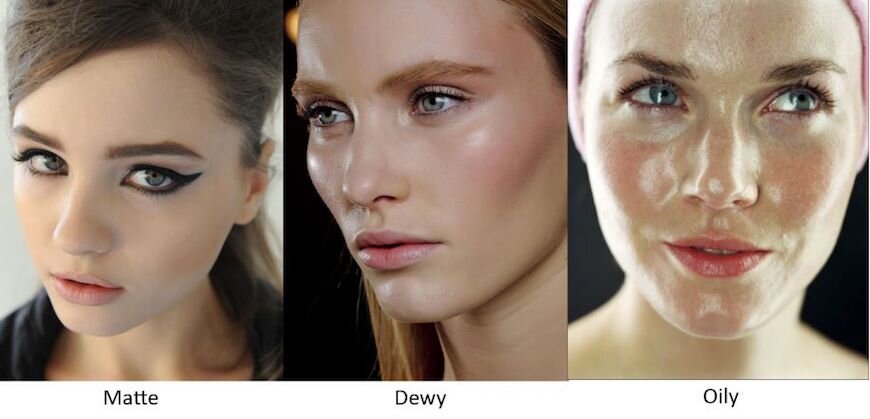
Skin looks hydrated and luminous, with visible light reflection.
Characteristics:
- Creates a glass-skin or glow effect
- Makes skin appear plump and healthy
- Can look shiny on some skin types
Matte Finish
Skin appears smooth and shine-free with a velvety look.
Characteristics:
- Helps control oil
- Photographs well
- May emphasize dry patches
Natural / Semi-Matte Finish
This sits between dewy and matte, often described as satin.
Characteristics:
- Resembles healthy skin
- Works for many skin types
- Easier to maintain throughout the day
Which Cushion Works for Different Skin Types?
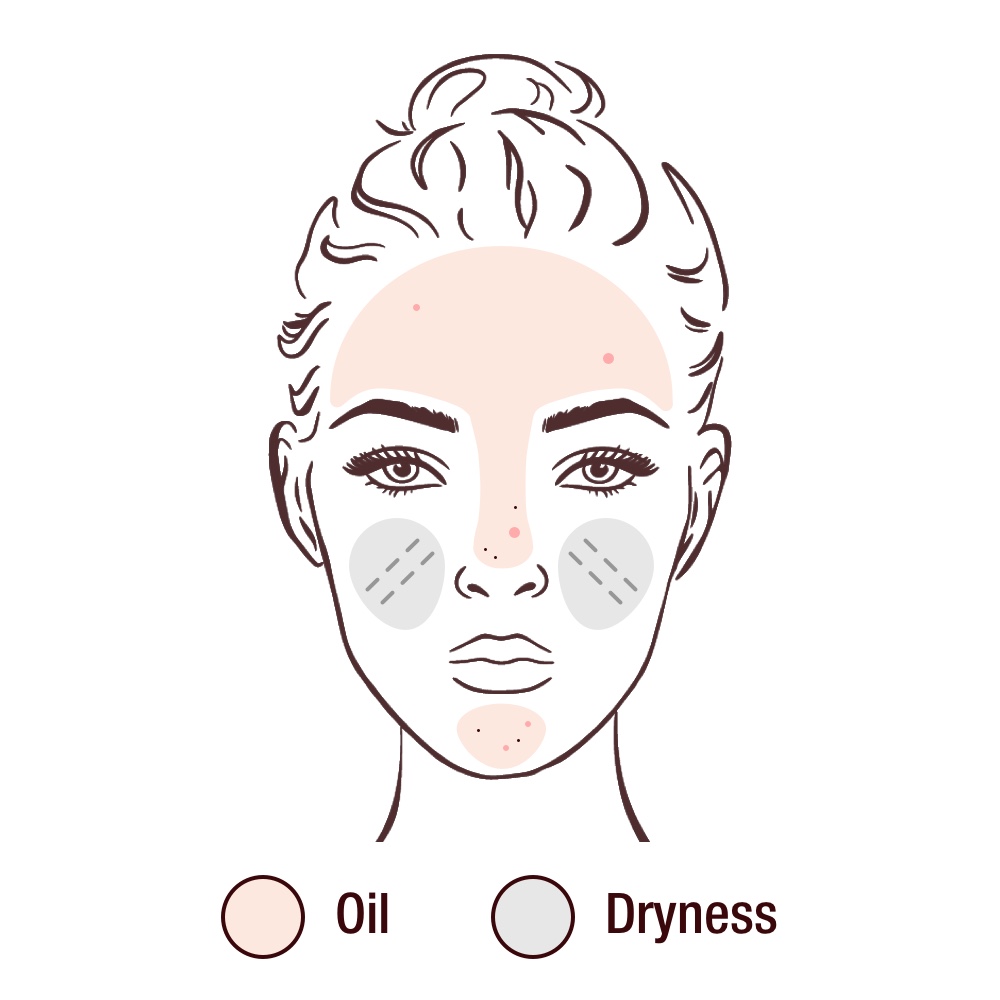

For Oily Skin
Matte or semi-matte cushions with oil-control claims are commonly chosen. Some people prefer dewy cushions but set them with powder.
For Dry Skin
Dewy or glow cushions often blend more smoothly and feel more comfortable. Skincare prep matters as much as cushion choice.
For Combination Skin
Natural or semi-matte finishes usually work well. Some adjust application by using less product on oily areas.
For Sensitive Skin
Look for gentle or hypoallergenic formulas. Patch testing matters more than finish type.
Do You Need a Specific Shade-Matching Strategy?
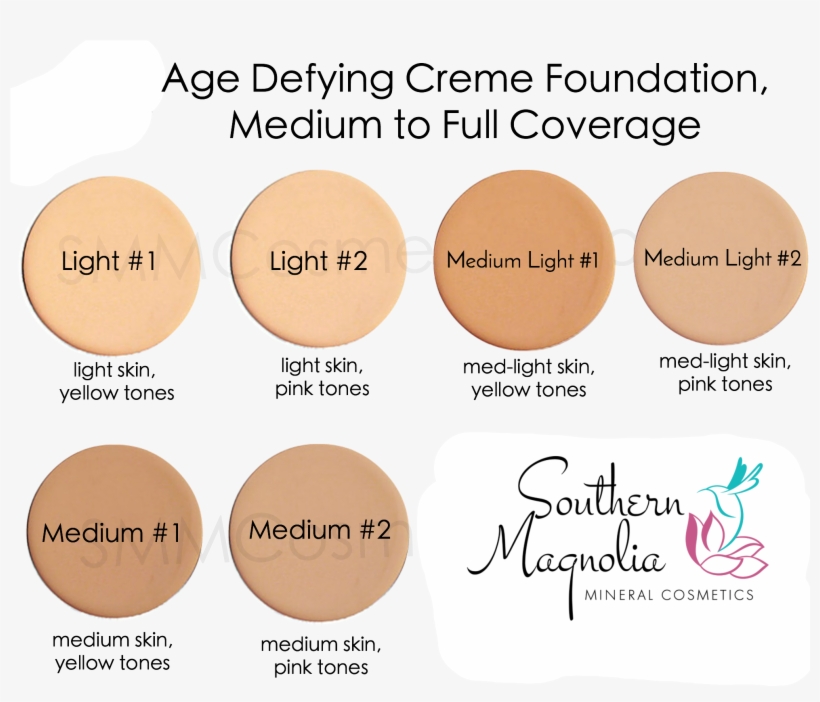
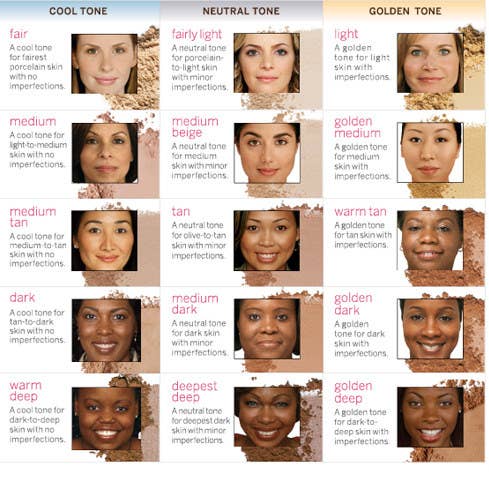
Most K-beauty cushions use a number system (13, 21, 23, etc.). Lower numbers are lighter, higher numbers darker. Some brands add letters for undertones.
Testing on the jawline or neck in natural light gives more accurate results. Some cushions darken slightly after application, so waiting 10–15 minutes helps confirm the match.
What Should You Know About Application Technique?
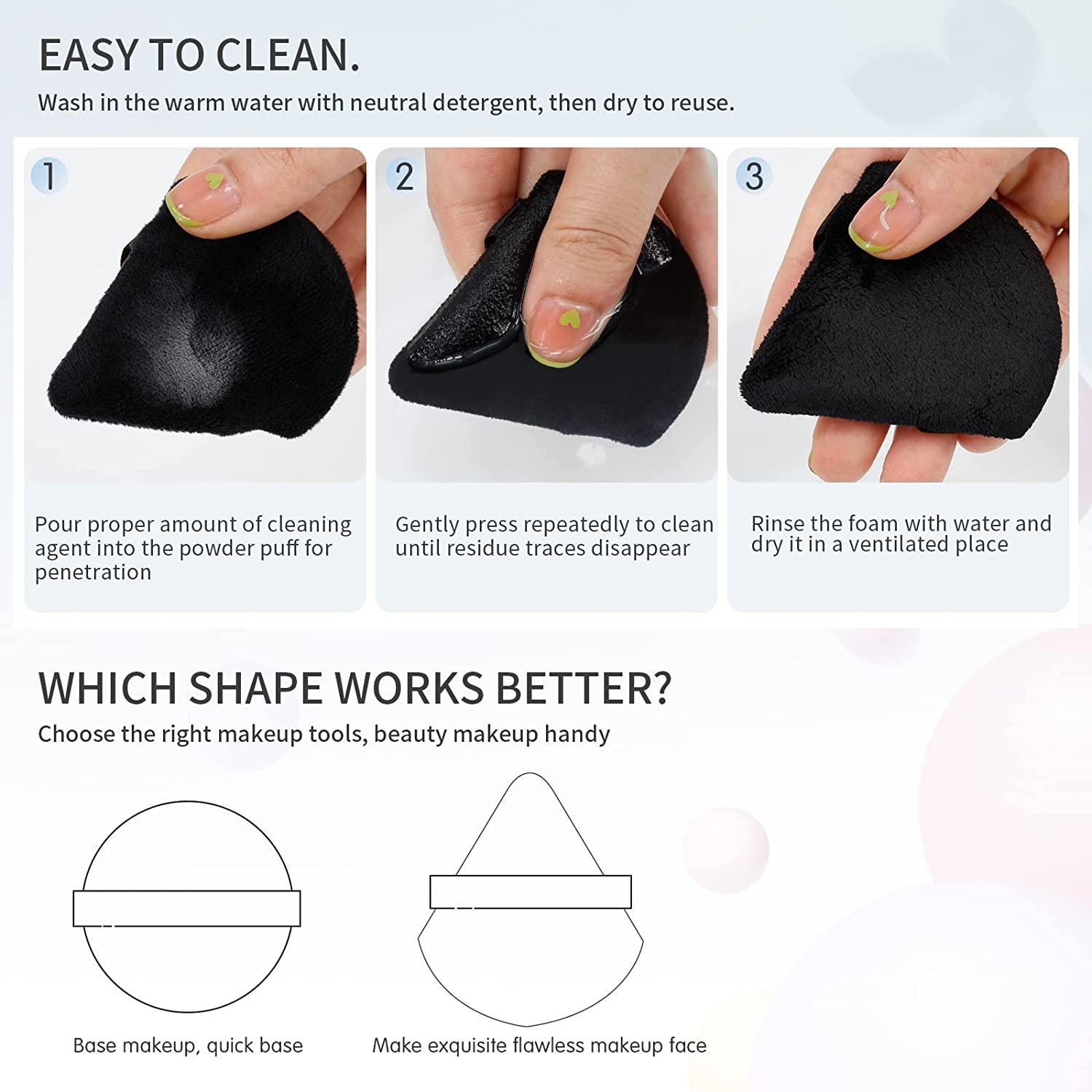
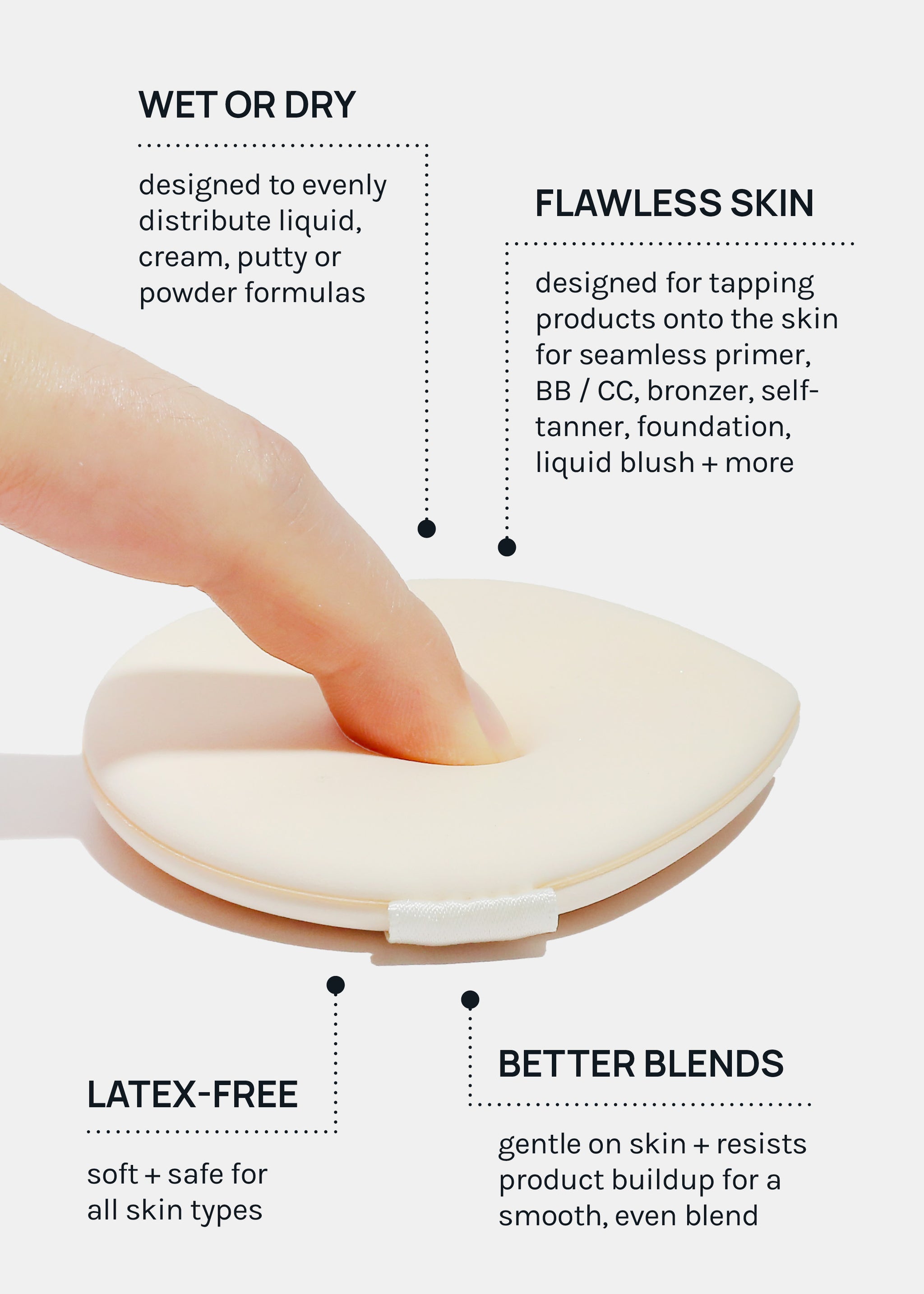
The included puff is designed for that formula. Press lightly, then pat from the center of the face outward. Building thin layers works better than applying too much at once.
Regularly washing the puff helps reduce bacteria buildup. Weekly cleaning with mild soap and full air-drying is commonly recommended.
Are There Any Disadvantages to Consider?
- Cushions may run out faster than bottled foundations
- Hygiene depends on puff cleanliness
- Shade ranges can be limited
- Some product remains trapped in the sponge
How Do You Know Which One to Try First?
Start with medium coverage and a natural finish. These options suit most beginners.
Choose based on your main concern: oil control, dryness, or flexibility. Sampling in-store is ideal when possible.
Wrap It Up Before the Ghosts Come Out.
Cushion foundations are one of K-beauty’s most influential innovations. They combine convenience, sun protection, and makeup in a format that works well for beginners.
Key takeaways:
- Coverage and finish are separate choices
- Match formula to skin type first
- Application technique matters
- Convenience comes with trade-offs
Some people use cushions daily, others keep them for touch-ups. The best way to know is to try one and adjust based on experience.
📚 Must-Read writes That Won’t Bore You to Tears!
2025’s Hottest K-Beauty Trends ? What Everyone Was Talking Aboutation
 K Beauty Start
Leave a comment