
Why This Comparison Confuses Beginners
If you are new to skincare, the difference between K-Beauty and Western skincare can feel confusing.
Both promise healthy skin, but the routines, products, and advice often seem completely opposite.
Some routines recommend 10 steps, while others insist less is more.
Some focus on gentle hydration, while others prioritize strong active ingredients.
This guide explains the real structural differences between K-Beauty and Western skincare so beginners can decide what actually fits their skin and lifestyle.
How Did Western Skincare Develop?

Western skincare developed alongside modern dermatology in Europe and North America.
Its core characteristics include:
- Clinical research and measurable outcomes
- Targeted treatment for visible skin problems
- Strong reliance on scientifically proven active ingredients
Instead of building long routines, Western skincare typically focuses on identifying one main concern and addressing it directly. This approach is efficient and problem-oriented.
How Did K-Beauty Become So Different?

K-Beauty evolved from a cultural mindset focused on prevention and daily care rather than treatment after damage occurs.
Key characteristics include:
- Long-term skin maintenance
- Daily hydration and barrier support
- Skincare as a lifestyle habit
Instead of fixing problems later, K-Beauty emphasizes keeping skin stable so problems appear less often.
Is K-Beauty About Prevention While Western Skincare Is About Treatment?

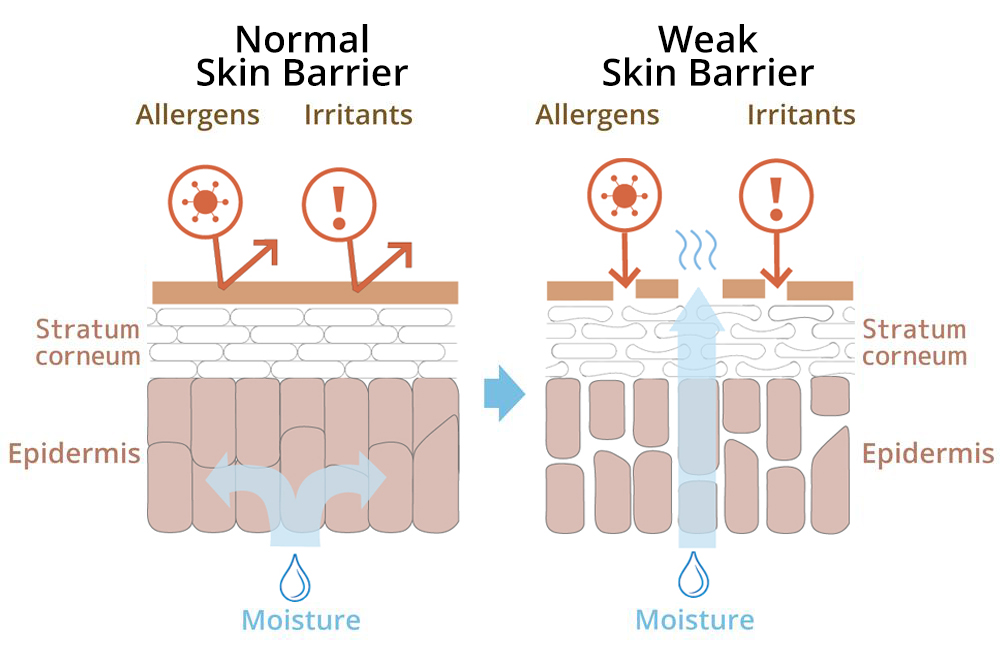
In simple terms, yes — this is the core difference.
- K-Beauty: focuses on preventing imbalance through gentle, consistent care
- Western skincare: focuses on treating problems once they are visible
Neither approach is wrong. They simply address different stages of skin health.
Why Does K-Beauty Use So Many Steps?

A typical K-Beauty routine layers products in small amounts:
- cleansing thoroughly
- adding hydration gradually
- sealing moisture at the end
The goal is skin comfort and balance, not intensity.
For beginners, this does not mean all steps are required. Many people simplify the routine once they understand the logic.
Why Is Western Skincare So Minimal?

Western skincare values:
- fewer products
- higher concentrations
- faster routines
The concern is that too many layers may overwhelm sensitive skin. This is why many Western dermatologists recommend starting with a basic routine and adding products only when necessary.
How Do Ingredients Differ?

Common K-Beauty Ingredients
- Centella asiatica (cica)
- Snail mucin
- Green tea
- Fermented extracts
These ingredients are usually gentle and barrier-supportive.
Common Western Skincare Actives
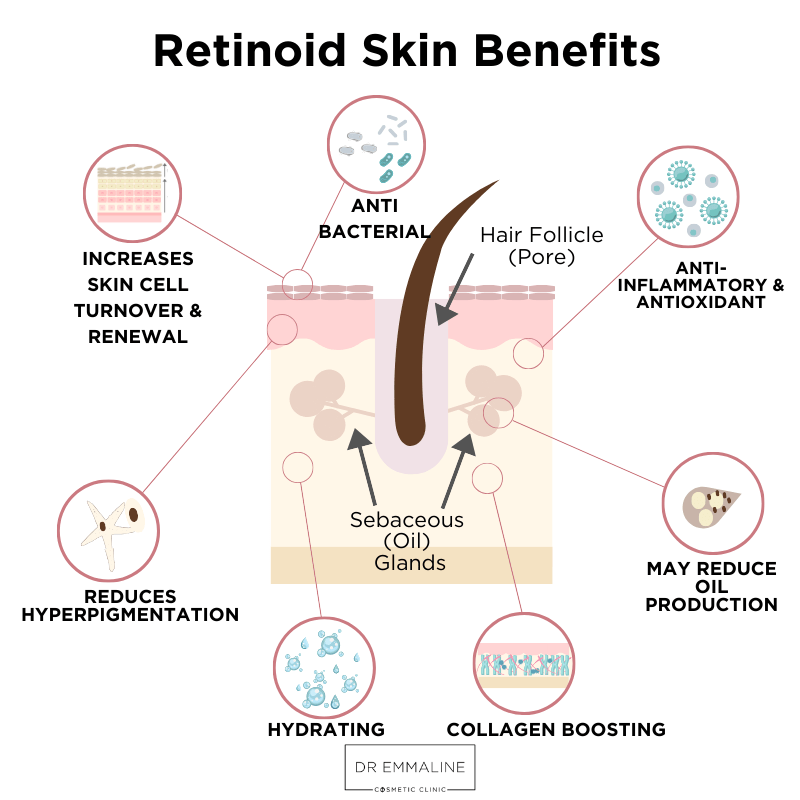
- Retinoids
- Vitamin C
- AHAs and BHAs
- Niacinamide
These are chosen for measurable, proven effects.
Which Approach Works Better for Acne or Aging?
It depends on the skin and the situation.
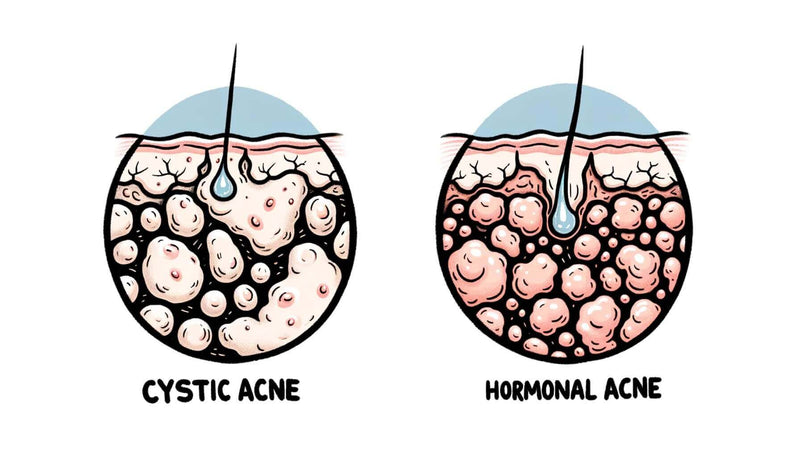
- Acne-prone but sensitive skin may respond better to gentle, barrier-focused routines
- Persistent acne or visible aging may require targeted active ingredients
Many people eventually combine both approaches.
Can You Mix K-Beauty and Western Skincare?
Yes ; and many people already do.
A common hybrid approach:
- Gentle cleansing and hydration (K-Beauty style)
- One proven active ingredient (Western style)
This balance often reduces irritation while maintaining effectiveness.
Final Thoughts: Which Should Beginners Choose?
There is no universal answer.
K-Beauty and Western skincare are different ways of thinking, not competing systems.
The best routine is the one that:
- fits your skin type
- fits your daily schedule
- can be maintained consistently
Understanding the philosophy behind each approach matters more than copying any routine exactly.
Links You Should Really Click
→ Korean Deep Pore Cleansing Guide: How to Double Cleanse Without Damaging Your Skin
 K Beauty Start
Leave a comment