In recent years, Korean beauty products have gained global attention, reshaping how people think about skincare. From sheet masks and essences to BB creams and cushion foundations, K-Beauty has become a familiar term; even for those who have never used a Korean product before.
Yet for many beginners, K-Beauty still feels confusing. Is it just about using many products? Does it require a complicated routine? And why does it seem so different from Western skincare?
This guide is designed to answer one simple question: What is K-Beauty, really?
Rather than focusing on specific products or brands, we’ll explore the philosophy, structure, and mindset behind K-Beauty so you can understand what makes it unique ; and decide how much of it makes sense for you.
The Origins of K-Beauty
Korean beauty culture did not appear overnight. Its roots trace back centuries, when clear, balanced skin was considered a reflection of health, discipline, and care. Traditional Korean skincare emphasized gentle maintenance, natural ingredients, and consistency rather than dramatic transformation.
Modern K-Beauty began to take shape in the late 1990s and early 2000s, alongside the global rise of Korean pop culture. As Korean actors and musicians gained international visibility, people around the world became curious about the skincare routines behind their clear, luminous skin.
What many initially assumed was “good makeup” turned out to be something else entirely: a skincare-first approach, supported by innovative formulations and long-term habits.
The Core Philosophy: Prevention Over Correction
One of the clearest differences between K-Beauty and many Western skincare approaches lies in philosophy.
K-Beauty focuses on preventing problems before they appear, rather than aggressively correcting them later.
Instead of waiting for wrinkles, pigmentation, or barrier damage to become visible, K-Beauty encourages early care, gentle maintenance, and consistent routines. This mindset explains why many people in Korea begin using hydrating products, sunscreen, and targeted treatments at relatively young ages.
The goal is not instant perfection, but gradual improvement and stability over time.
Why K-Beauty Uses Multiple Steps
The multi-step routine is often the most misunderstood part of K-Beauty. You may have heard of the “10-step routine,” but this is better understood as a framework, not a rule.
A typical routine follows a logical order:
cleansing → hydration → treatment → protection.
Each step uses lighter textures first, then gradually layers richer products to support the skin barrier. The idea is not excess, but layering with intention.
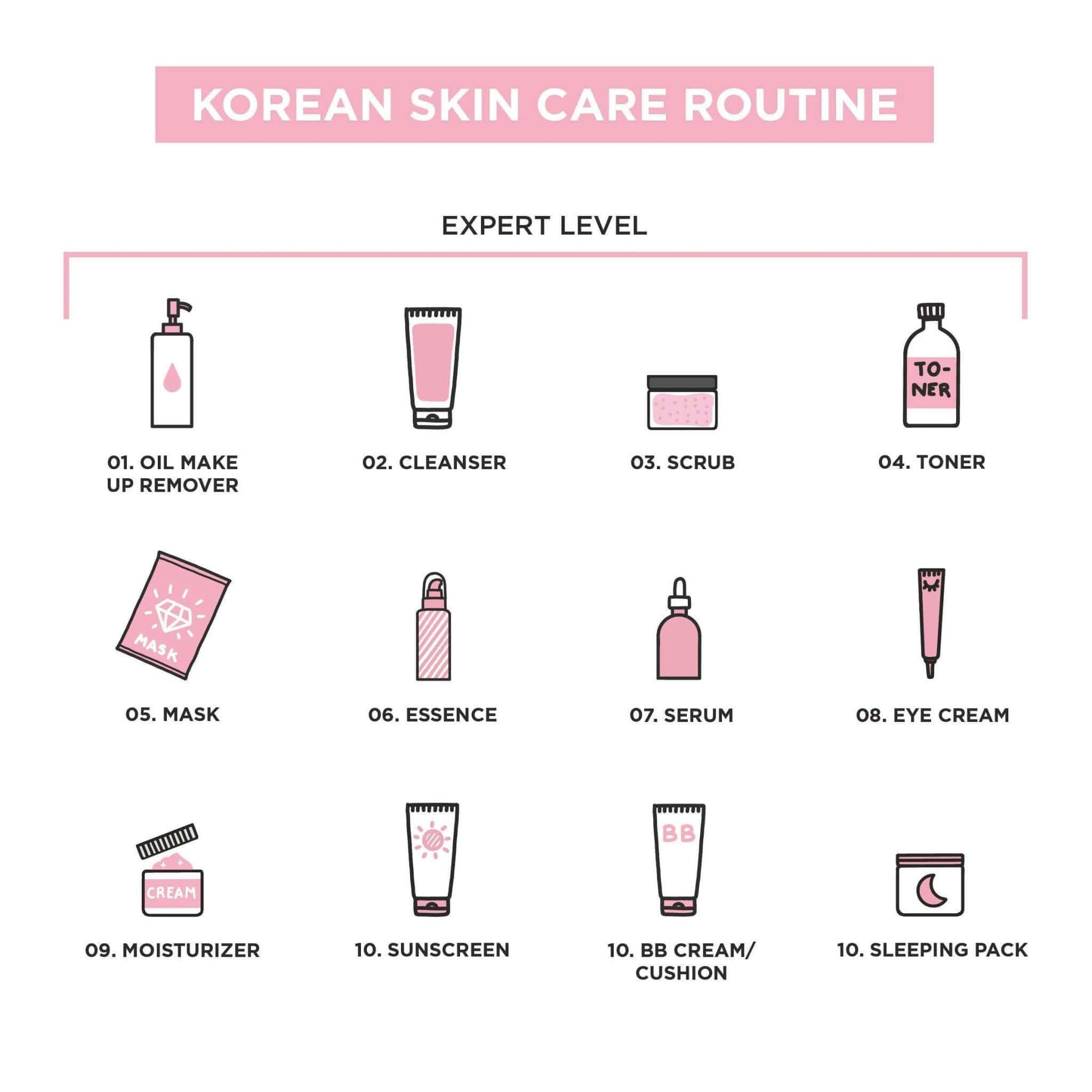
Importantly, K-Beauty routines are highly adaptable.
Many people use only 4–6 steps daily, adjusting based on skin type, season, and lifestyle.
Key Product Categories You’ll Hear About
If you’re new to K-Beauty, certain product names may feel unfamiliar. Here are a few that define the category:
Sheet Masks
Lightweight masks soaked in essence or serum, designed to deliver short bursts of hydration and comfort. Often used regularly, not just occasionally.
Essences and Emulsions
Hydration-focused products with very light textures. They sit between toner and serum, helping skin stay balanced and receptive.
Serums and Ampoules
Concentrated treatments targeting specific concerns such as brightness, elasticity, or uneven tone.
BB Creams and Cushion Foundations
Makeup products that combine light coverage with skincare benefits, aiming for a natural, skin-like finish.
Sunscreen
In K-Beauty, daily sunscreen is considered essential—not optional—regardless of weather or season.
The <Glass Skin> Aesthetic Explained
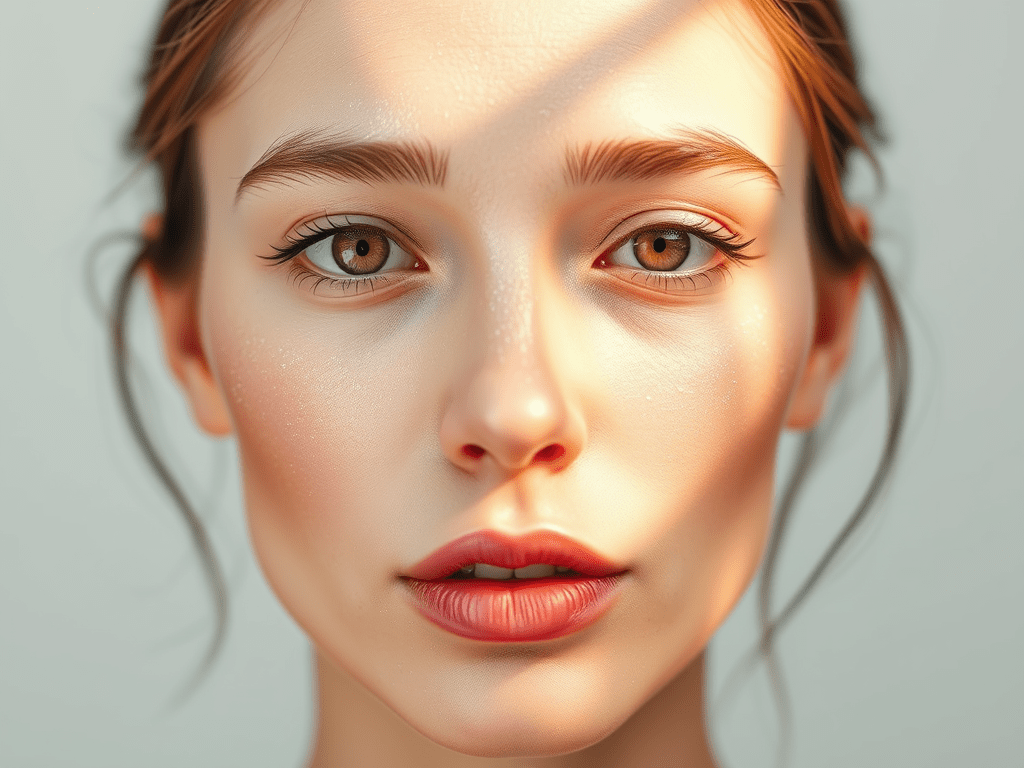
You’ll often hear K-Beauty associated with glass skin. This does not mean shiny or oily skin.
Glass skin refers to skin that looks:
- well-hydrated
- smooth in texture
- even in tone
- naturally luminous


Rather than heavy coverage, the focus is on improving the skin itself so less makeup is needed. The glow comes from hydration and barrier health, not shimmer or thick foundation.
Understanding Your Skin Comes First
Before adopting any K-Beauty routine, understanding your own skin is essential.
K-Beauty generally works within four broad skin types:
- oily
- dry
- combination
- sensitive
However, it also recognizes that skin changes with climate, stress, age, and environment. This is why routines are meant to evolve—not remain fixed forever.
Common Misconceptions About K-Beauty
“You must use 10 steps every day.”
Not true. Many people use fewer steps and still follow K-Beauty principles.
“Results should be immediate.”
K-Beauty emphasizes long-term improvement. Visible changes often take weeks or months.
“All Korean products work the same.”
As with any industry, quality varies. Understanding ingredients and your own skin matters more than product origin.
How Beginners Should Start
If you’re curious about K-Beauty but unsure where to begin, a simple approach works best:
- Start with the basics: cleanser, moisturizer, sunscreen
- Introduce hydration before treatments
- Add new products slowly, one at a time
- Focus on consistency, not perfection
You don’t need to change everything at once.
Why K-Beauty Became Global
K-Beauty’s global success is not just about trends. It reflects a shift in how people think about skincare: from quick fixes toward maintenance, from heavy coverage toward skin health, and from rigid rules toward personalization.
Its influence continues to shape global skincare—often quietly, through better formulations and gentler routines rather than bold promises.
K-Beauty is not a single routine or a fixed number of steps. It is a philosophy built on prevention, patience, and understanding your skin over time.
For beginners, the most important takeaway is this:
K-Beauty is flexible. You can adopt as much as fits your life.
When practiced thoughtfully, it becomes less about products and more about building a sustainable relationship with your skin.
Books So Good, Even Your To-Read Pile Will Be Jealous!
-> “Sheet Masks in K-Beauty: How to Use Them the Right Way”
 K Beauty Start
Leave a comment