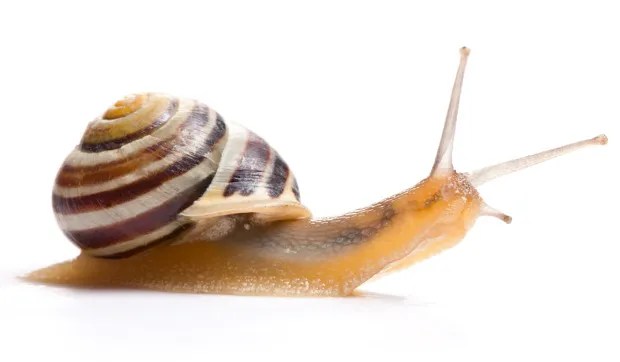


Why Is Everyone Talking About Snail Mucin?
Snail mucin is one of those K-beauty ingredients that sounds strange at first—but once you understand it, the hype makes sense.
Originally seen as unconventional, snail mucin has become a global skincare staple thanks to its hydrating, repairing, and soothing properties. Today, it appears in essences, serums, creams, and masks used by people with very different skin concerns.
This guide explains what snail mucin actually is, why Korean skincare brands use it, and most importantly ;who it works best for.
What Is Snail Mucin, Exactly?
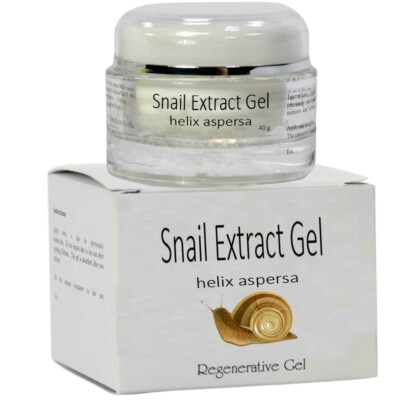

Snail mucin, often listed as snail secretion filtrate, is a substance produced by snails to protect and repair their bodies.
In nature, it helps snails heal wounds, protect against environmental damage, and move without injury. Korean skincare labs adapted this regenerative function into cosmetic formulations using non-invasive extraction methods.
Snail mucin naturally contains:
- Hyaluronic acid (hydration)
- Amino acids and proteins (repair)
- Allantoin (soothing)
- Copper peptides and collagen-supporting compounds
This is why it addresses multiple skin concerns at once.
A Brief History: From Ancient Remedy to K-Beauty Icon

Snail secretion has been used since ancient Greek and Roman times for calming inflamed skin. What changed in K-beauty was scientific validation and standardized extraction.
In the early 2000s, Korean cosmetic research revived snail mucin. By the mid-2010s, snail-based essences became global bestsellers, proving that efficacy matters more than ingredient familiarity.
What Snail Mucin Actually Does for Your Skin
Deep Hydration Without Heaviness

Snail mucin delivers long-lasting hydration while staying lightweight. Many users notice smoother texture, plumper skin, and fewer dehydration lines.
Skin Repair and Recovery


It supports faster skin recovery and gradual improvement in texture, making it popular for post-acne marks and stressed skin.
Calming Redness and Sensitivity

Snail mucin helps calm irritation and support healing, especially for sensitive or over-treated skin.
Brighter, More Even Tone


Consistent hydration and gentle renewal contribute to improved radiance and more even-looking skin.
Stronger Skin Barrier
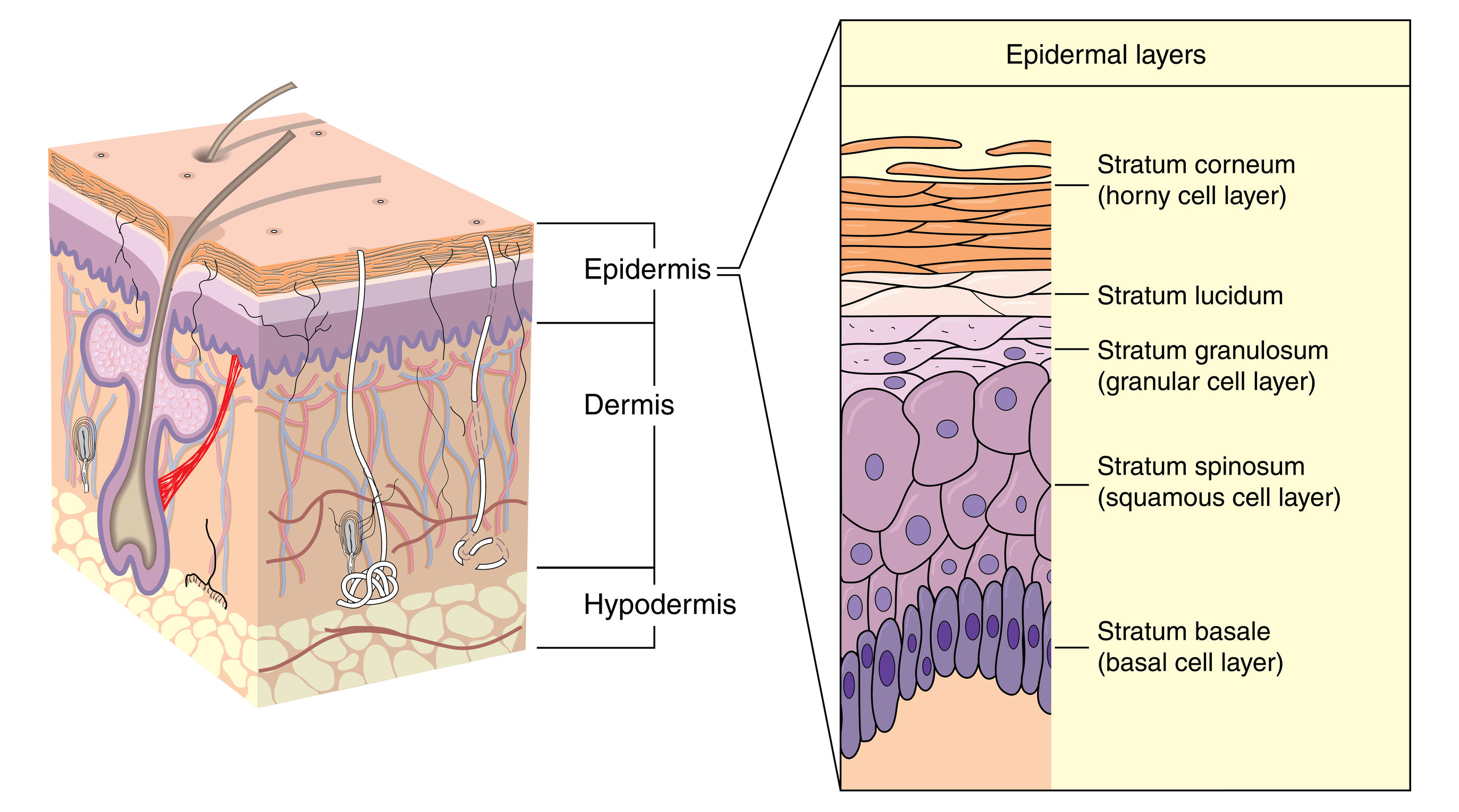
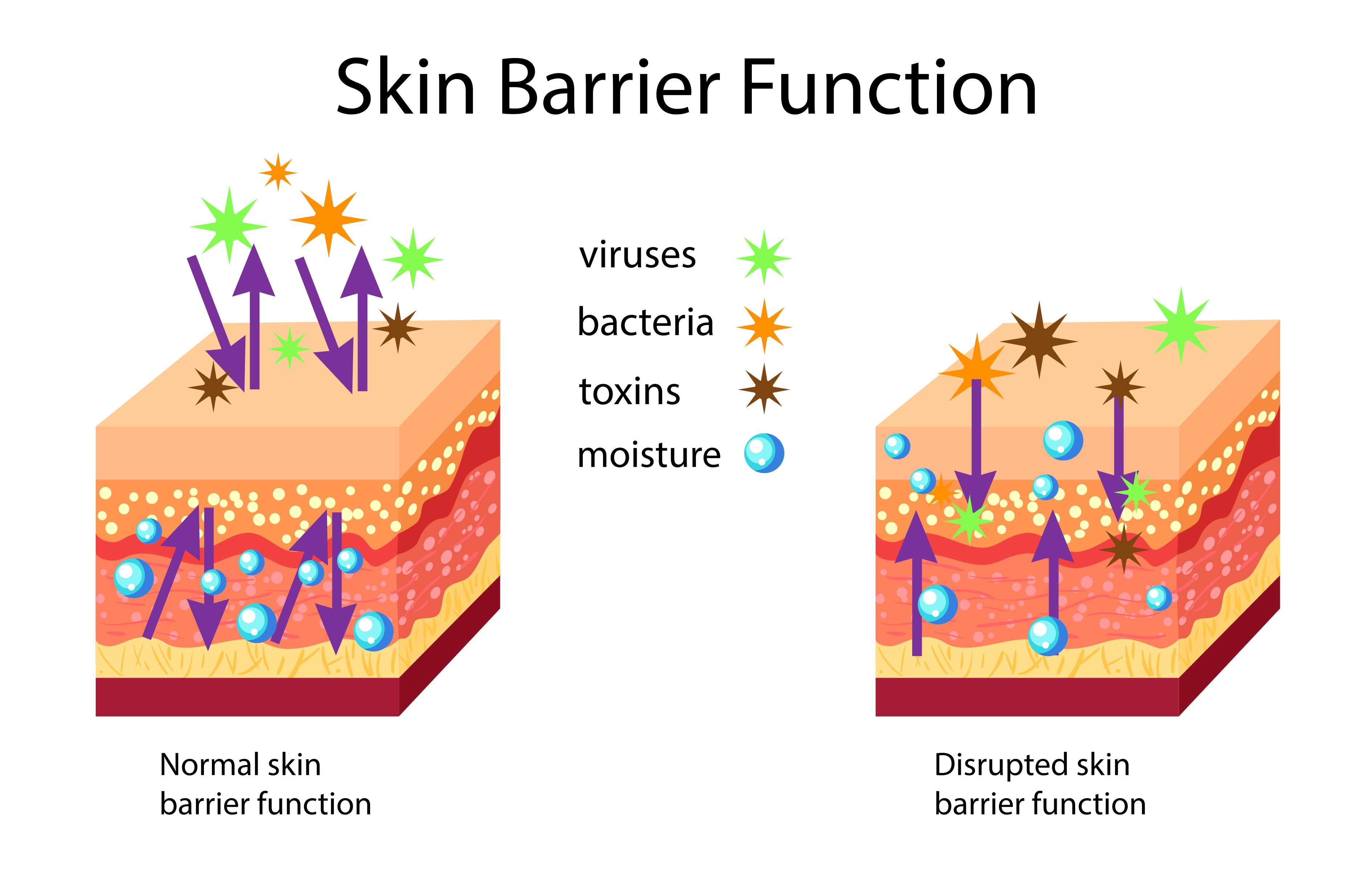
A stronger barrier means less sensitivity and better moisture retention—one of snail mucin’s most practical benefits.
Snail Mucin Products: Which Format Should You Choose?
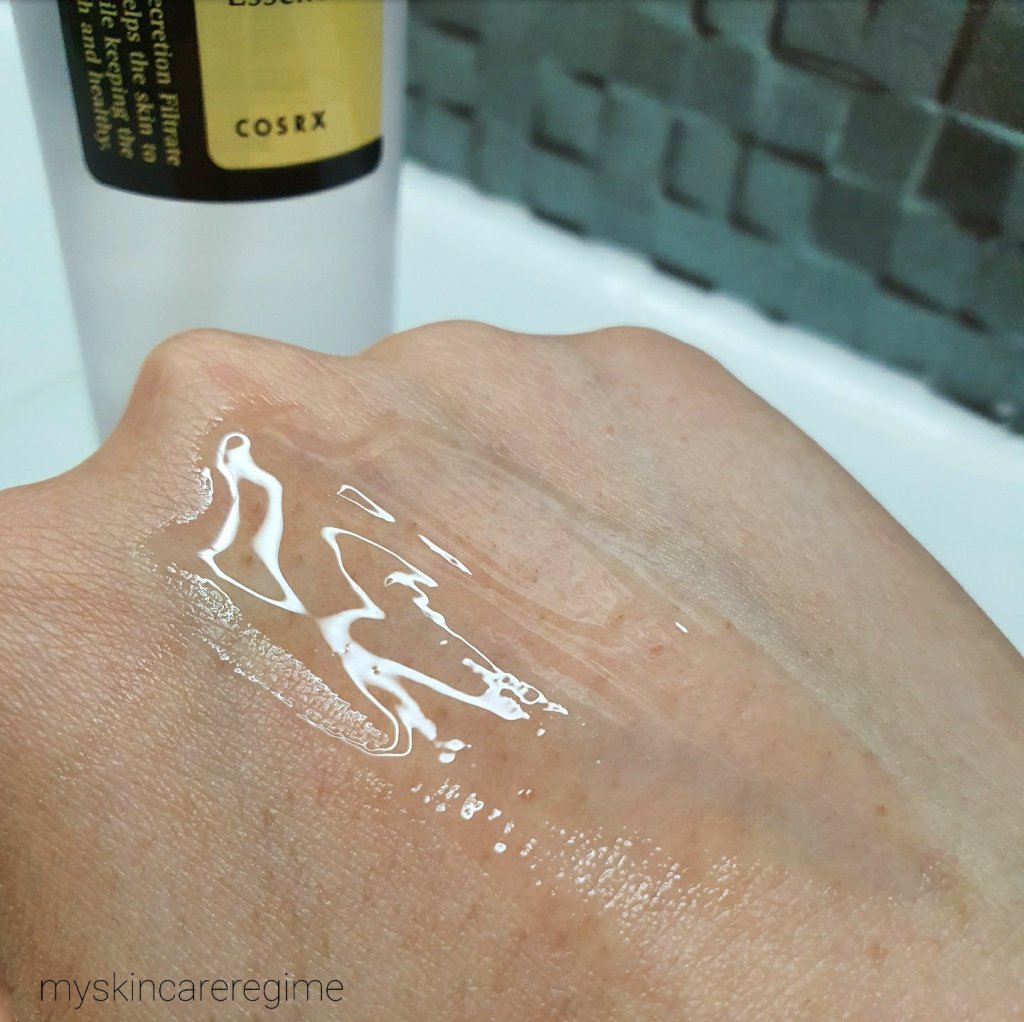
- Essences / serums: Best for most beginners
- Masks: Short-term intensive care
- Creams: Better for dry or mature skin
Who Snail Mucin Is Best For
4
Especially suitable for:
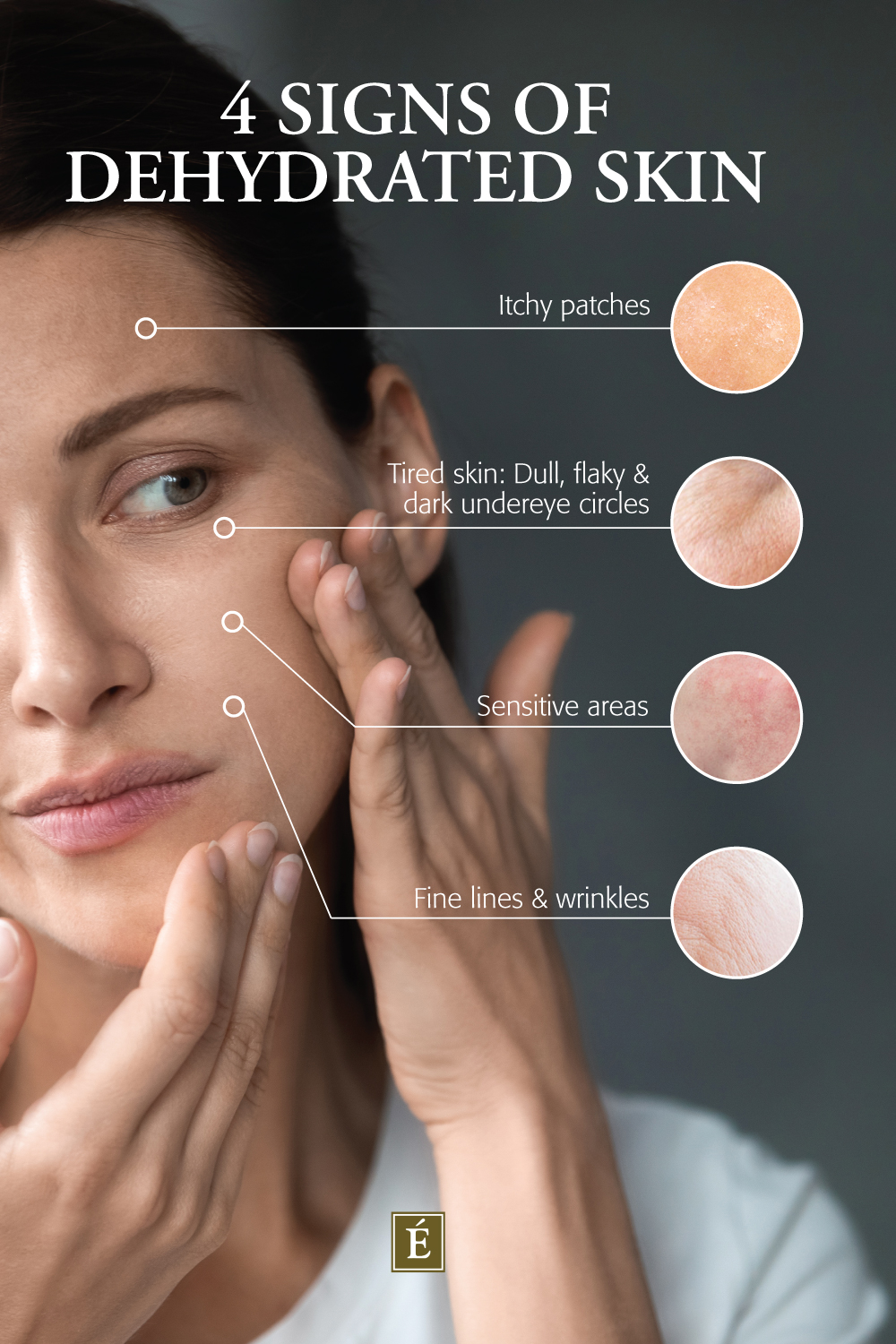
- Dry or dehydrated skin
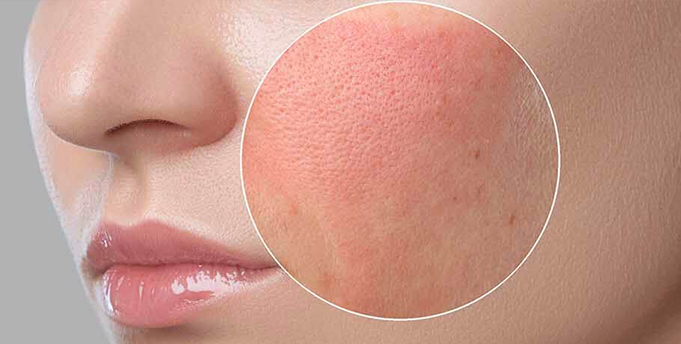
- Sensitive or reactive skin
- Acne-prone skin (light formulas)
- Mature skin
- Combination skin
- Post-procedure skin
How to Use Snail Mucin in Your Routine

Use after cleansing and toning, before moisturizer.
Generally safe for daily AM/PM use.
Apply by gently patting onto slightly damp skin.
Are There Any Downsides?

Patch testing is recommended.
Shellfish allergies require caution.
Product quality varies—brand matters.
Final Thoughts

Snail mucin isn’t a miracle, but it is efficient.
Hydration, repair, and calming in one step is why it became a K-beauty staple.
For beginners especially, it’s often a low-risk, high-reward ingredient to start with.
Internal Link: The Magical Portal to End Your Post
K-Beauty vs Western Skincare: What’s the R/eal Difference?
 K Beauty Start
Leave a comment