
As K-Beauty continues to gain global attention, more beginners are becoming curious about Korean skincare routines, products, and philosophies. However, along with its popularity, a number of persistent myths have also spread; especially through social media, short-form videos, and oversimplified beauty advice.
These myths often create unnecessary pressure, unrealistic expectations, or confusion for beginners. In some cases, they even lead to poor skincare decisions.
This guide breaks down the most common K-Beauty myths beginners should stop believing, and explains what actually matters instead.

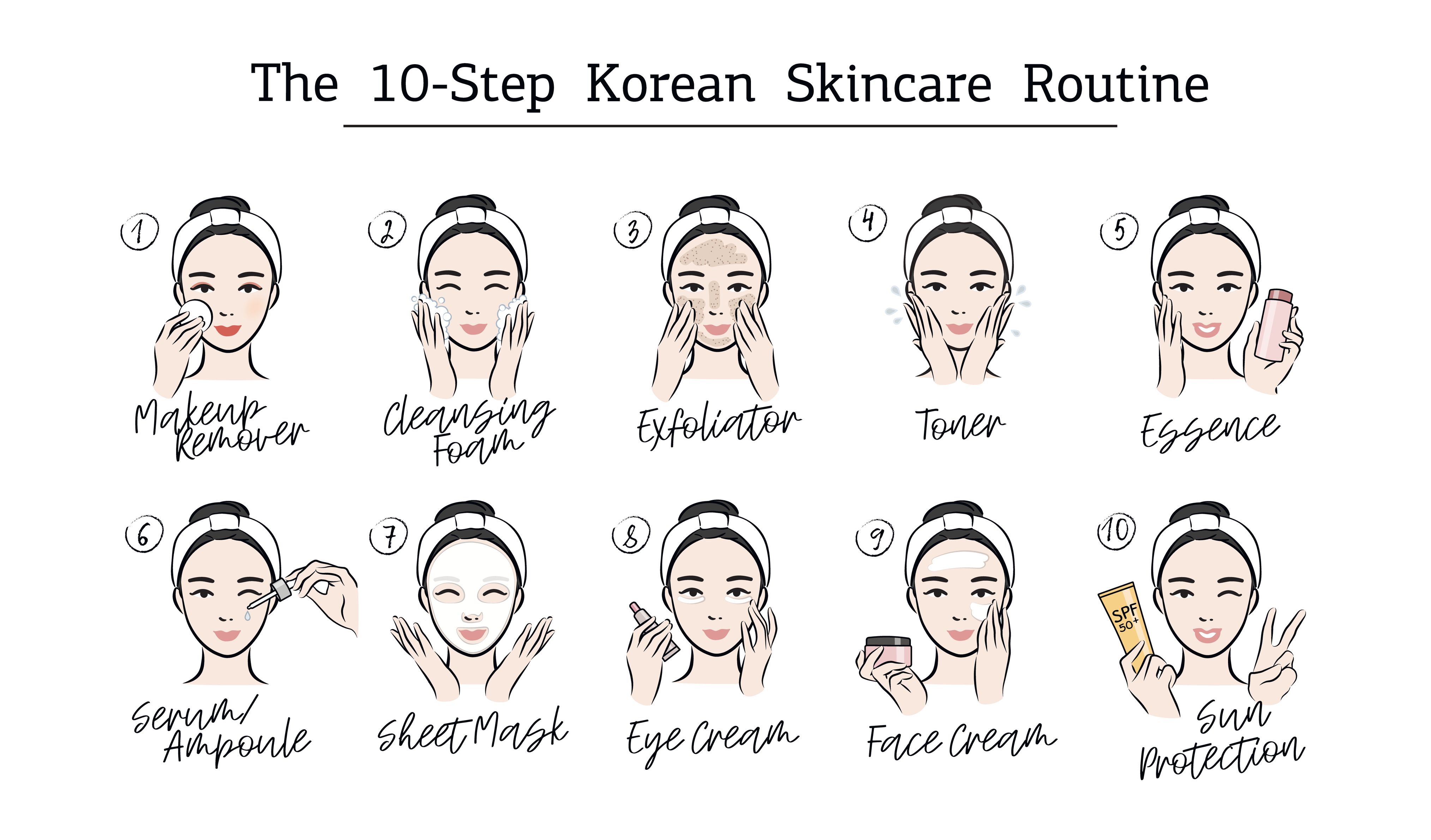

Myth 1: You Must Follow a 10-Step Routine
This is the most widespread K-Beauty myth.
The famous “10-step routine” was never meant to be mandatory. It represents a framework, not a rule. In practice, many people in Korea use fewer steps depending on their skin condition, season, and lifestyle.
For beginners, a simple routine with cleansing, moisturizing, and sunscreen is often more effective than layering many products incorrectly.
Reality:
K-Beauty values customization, not the number of steps.
Myth 2: All K-Beauty Products Are Gentle and Safe for Everyone
Not all Korean skincare products are mild or universally suitable.
K-Beauty includes everything from ultra-gentle barrier-focused formulas to products with strong acids, retinoids, and active ingredients. Natural or botanical ingredients can also cause irritation for some people.
Reality:
Always check ingredients, patch test, and introduce products slowly—regardless of origin.
Myth 3: Expensive K-Beauty Products Work Better
Price does not automatically equal effectiveness.
Many affordable K-Beauty products are popular precisely because they deliver results without luxury pricing. Packaging, marketing, and brand positioning often influence cost more than formulation quality.
Reality:
Ingredients and consistency matter more than price tags.
Myth 4: K-Beauty Is About Whitening or Pale Skin
This myth is based on misunderstanding.
In K-Beauty, terms like “brightening” usually refer to improving clarity, even tone, and radiance, not changing natural skin color. The goal is healthy, luminous skin; at any shade.
Reality:
K-Beauty focuses on skin health, not skin color.
Myth 5: Results Should Be Immediate
Skincare does not work overnight.
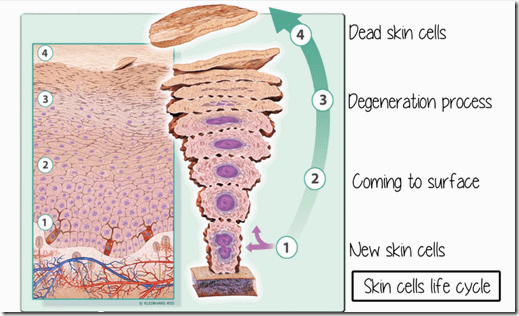
Skin renewal typically takes several weeks. Improvements in texture, tone, or hydration happen gradually with consistent care. Social media transformations often compress timelines or omit context.
Reality:
K-Beauty is built on patience and long-term maintenance.

Myth 6: All K-Beauty Is Cruelty-Free
Some Korean brands are cruelty-free, but not all.
Animal testing policies vary by brand and market regulations. Beginners who prioritize ethical skincare should research individual brand policies rather than assume.
Reality:
Cruelty-free status depends on the brand, not the country.
Myth 7: Sheet Masks Are the Most Important Product
Sheet masks are popular—but they are not the foundation of K-Beauty.
They provide temporary hydration and comfort, but long-term skin improvement comes from daily basics like cleansing, moisturizing, and sun protection.
Reality:
Sheet masks are optional extras, not essentials.
Myth 8: K-Beauty Is Only for Women
Skincare is not gender-specific.
In Korea, men actively use skincare products, and male grooming is widely accepted. Skin concerns like sun damage, acne, and aging affect everyone.
Reality:
K-Beauty principles apply to all genders.
Myth 9: Natural or Organic Products Are Always Better
“Natural” does not automatically mean safer or more effective.
Many synthetic ingredients are well-studied, stable, and gentle. Some natural extracts can be irritating or unstable.
Reality:
Effectiveness depends on formulation, not whether an ingredient is natural.
Myth 10: Once You Find a Routine, Never Change It
Skin changes over time.
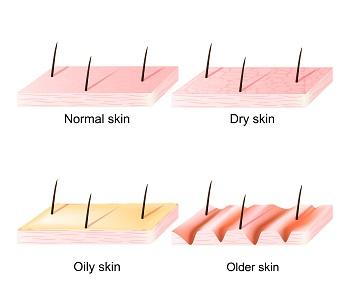
Season, climate, stress, age, and hormones all affect how skin behaves. A routine that works now may need adjustments later.
Reality:
K-Beauty encourages flexibility and awareness—not rigid routines.
K-Beauty is often misunderstood because its most visible elements; multi-step routines, sheet masks, and viral trends ;overshadow its core philosophy.
At its heart, K-Beauty emphasizes :
- consistency over intensity
- prevention over correction
- personalization over rigid rules
By letting go of these common myths, beginners can approach K-Beauty with clarity and confidence; building routines that truly support their skin instead of chasing unrealistic expectations.
Healthy skin is not achieved by believing myths, but by understanding how your skin actually works.
 K Beauty Start
Leave a comment