
Over the past two decades, Korean skincare has grown from a local beauty culture into a global standard. Today, K-Beauty products and routines are used not only in Korea, but also across North America, Europe, and Asia.
This popularity did not happen by accident. Korean skincare spread because it offered something many people felt was missing: effective products, thoughtful routines, and a philosophy that treats skincare as daily care rather than a quick fix.
This article explains why Korean skincare became so popular worldwide, and what actually makes it different from other approaches.

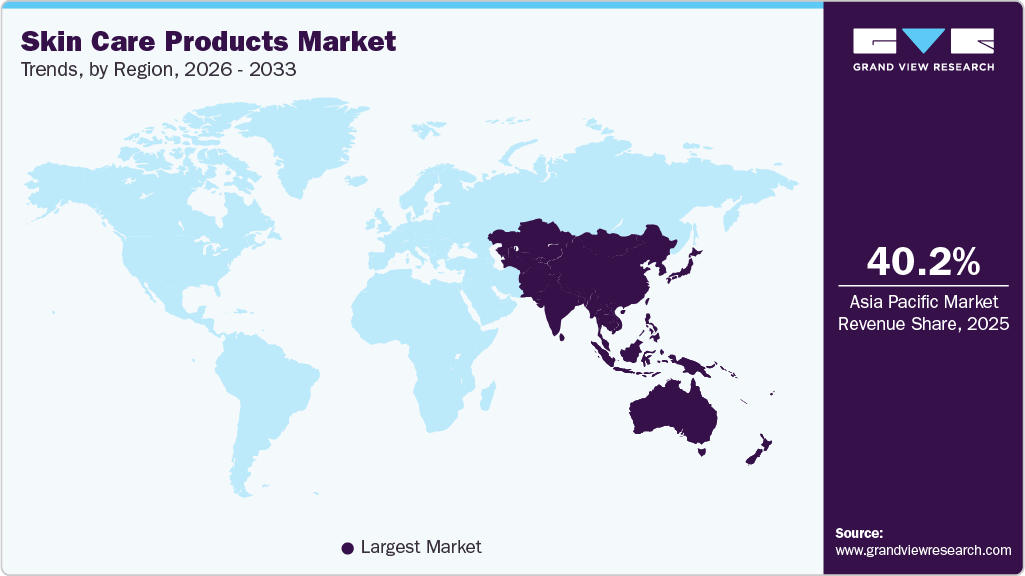
Is Korean skincare really that different?
At its core, Korean skincare approaches skin as something to maintain consistently, not something to repair only when problems appear.
Instead of focusing on dramatic overnight results, K-Beauty emphasizes:
- hydration
- barrier support
- long-term skin balance
This mindset feels refreshing to many people who were used to harsh treatments or short-term solutions.
Where does Korean skincare culture come from?
Skincare has been part of daily life in Korea for centuries.
Historically, clear and well-maintained skin was associated with health, discipline, and self-respect. Traditional ingredients like rice water, ginseng, honey, and botanical oils were commonly used long before modern cosmetics existed.
That cultural foundation still influences modern routines today. Skincare is often seen as basic self-care, similar to brushing your teeth, rather than a luxury or occasional treatment.
Why does Korean skincare focus so much on hydration?
One of the most noticeable differences in Korean skincare is its obsession with hydration.
Instead of stripping the skin and “fixing” it later, K-Beauty works to keep the skin comfortably hydrated at all times. Well-hydrated skin tends to look:
- smoother
- brighter
- more resilient
This explains why lightweight toners, essences, and layered hydration products became so popular globally.
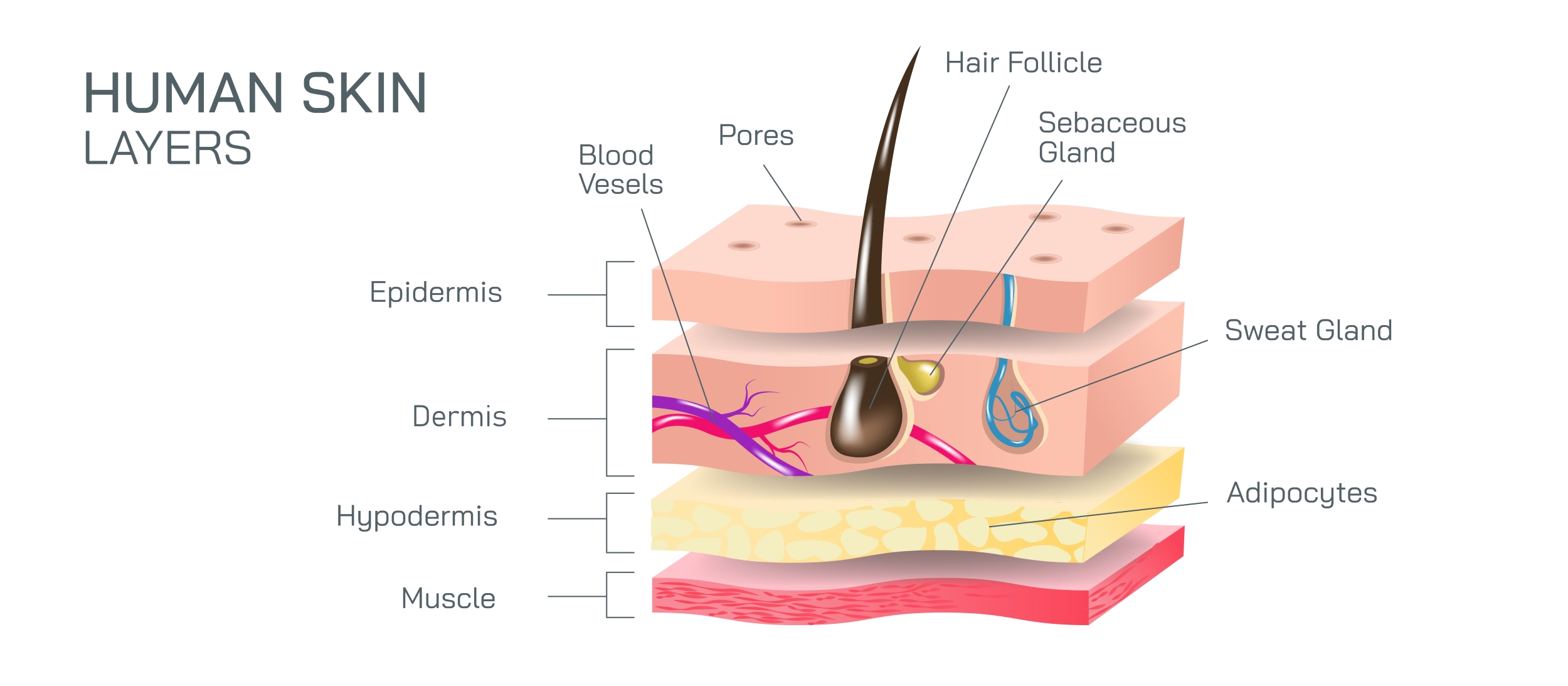
What’s the idea behind multi-step routines?
The famous multi-step routine often gets misunderstood.
It was never meant to be mandatory. Rather, it shows that different products serve different roles:
- cleansing removes buildup
- hydration prepares the skin
- treatments target specific concerns
- moisturizers seal everything in
Many people use fewer steps. The real takeaway is intentional layering, not the number of products.
Why do people trust Korean skincare products?
Korean skincare brands built trust by focusing on:
- ingredient transparency
- clear product purposes
- visible, gradual results
Consumers learned what ingredients do and how to use them properly. Over time, this created a more educated skincare audience—and stronger loyalty.
When people understand why something works, they’re more likely to keep using it.
How did social media help K-Beauty spread globally?
Digital platforms played a major role.
YouTube, Instagram, TikTok, and beauty forums allowed people to:
- watch real routines
- see long-term progress
- learn step-by-step usage
At the same time, online shopping removed geographic barriers, making Korean products easy to access worldwide.
This combination turned K-Beauty from a niche interest into a global habit.
Is celebrity culture part of the reason?
Yes—but not in the way many assume.
K-pop idols and Korean actors helped spark curiosity, but what sustained interest was skincare philosophy, not celebrity endorsement alone.
People realized that the “glow” wasn’t makeup magic; it came from consistent skincare habits. That realization made K-Beauty feel achievable rather than exclusive.
Why does Korean skincare feel more approachable?
Unlike many luxury beauty systems, Korean skincare offers:
- a wide price range
- multiple textures and formats
- routines that can be adjusted
You don’t need to buy everything at once. You can start small, add slowly, and adapt over time.
That flexibility makes Korean skincare easier to adopt—and easier to stick with.
Does Korean skincare work for everyone?
Korean skincare isn’t a universal solution, but its framework is widely useful.
The focus on:
- hydration
- barrier health
- gentle consistency
works across many skin types and climates when adjusted properly. That adaptability is one reason it continues to resonate globally.
Korean skincare became popular around the world because it offered something practical, thoughtful, and sustainable.
It shifted attention away from quick fixes and toward:
- daily care
- skin awareness
- long-term results
Rather than promising instant transformation, K-Beauty taught people how to work with their skin instead of against it. That philosophy—more than any single product or trend—is what made Korean skincare a lasting global influence.
 K Beauty Start
Leave a comment