“Dry skin” and “dehydrated skin” are often used like they mean the same thing, but they don’t. They can look similar on the surface, yet they usually need different routine choices.
K-Beauty is especially helpful here because it focuses on hydration + barrier support and teaches you how to layer products with intention.
This guide explains the difference in plain language and shows how to build a routine for each one.


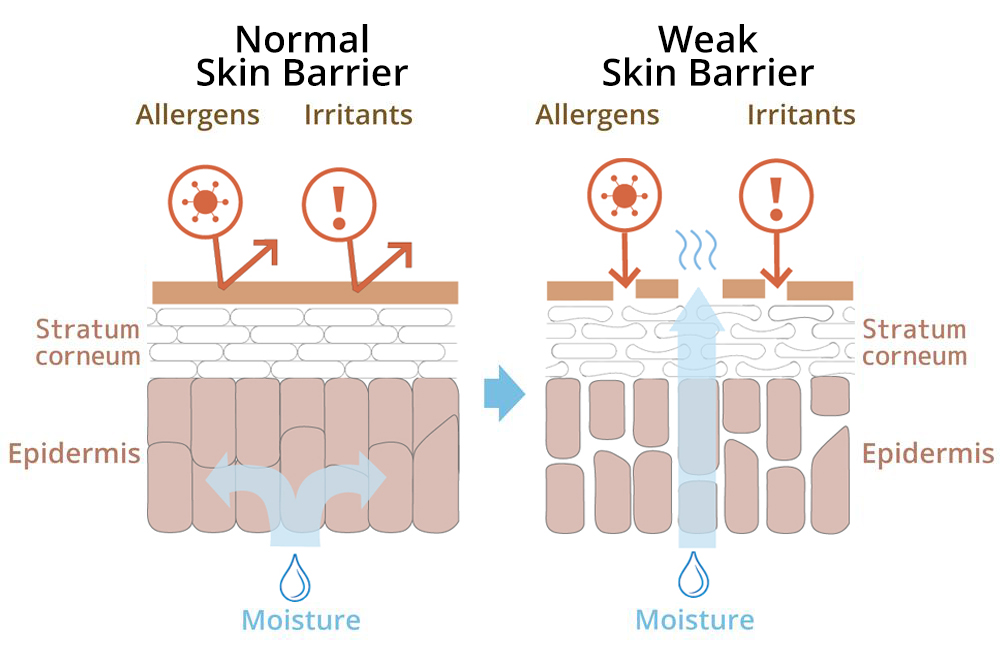
Dry skin vs dehydrated skin: what’s the simple difference?
Dry skin = a skin type (oil shortage)
Dry skin is usually about not producing enough oil (sebum). It tends to be a long-term pattern, even if it gets worse in winter.
Common signs:
- tightness and flaking
- rough texture
- dryness that returns quickly after moisturizing
Dehydrated skin = a skin condition (water shortage)
Dehydrated skin is about lack of water, and it can happen to any skin type—including oily skin.
Common signs:
- skin feels tight but looks shiny
- makeup separates or clings
- dullness and “flat” looking skin
Quick self-check: which one sounds like you?
If you answer “yes” to more of these, it can point you in the right direction.
More likely dry skin
- You often have flaking or rough patches.
- Your skin feels dry all day, not just after cleansing.
- Rich creams help more than watery layers.
More likely dehydrated skin
- Your skin feels tight after cleansing but gets oily later.
- Your skin looks dull even when you use moisturizer.
- Hydrating layers help, but the effect doesn’t last.
Many people are actually both (dry + dehydrated), especially in winter.
Why does K-Beauty work well for these problems?
K-Beauty routines are built around a simple idea:
- Add water (hydrate)
- Reduce water loss (seal)
- Support the barrier (repair)
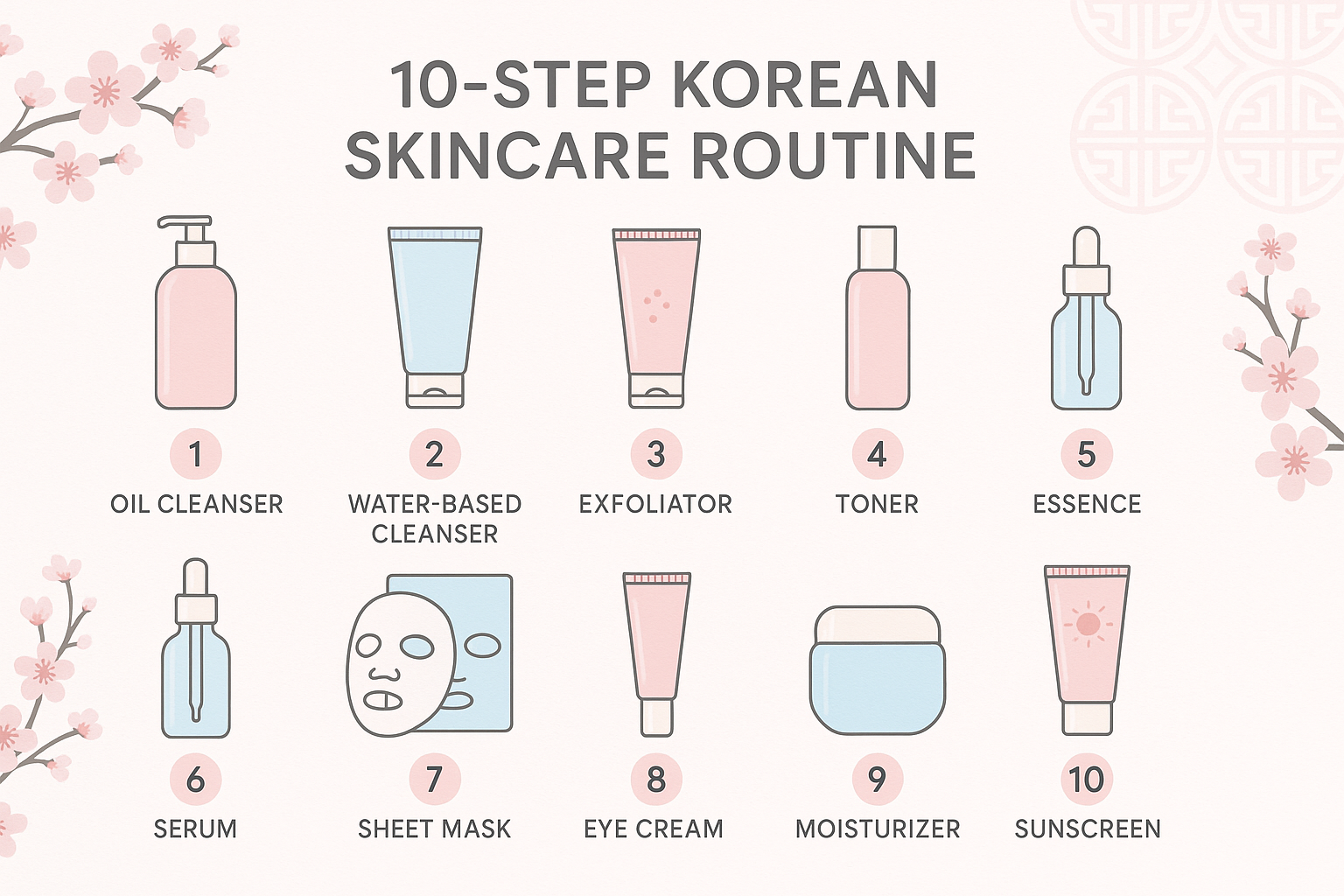
This is why Korean skincare uses light layers first (toner/essence) and richer products later (cream/oil).
If you have dry skin: what should your routine focus on?
Dry skin usually needs lipids and barrier support.
What to prioritize
- gentle cleansing (avoid harsh stripping)
- a hydrating step, then a richer finish
- barrier-supporting ingredients
Ingredients often used for dry skin
- ceramides
- squalane
- fatty acids
- nourishing plant oils (depending on tolerance)
Simple routine example (AM/PM)
- Gentle cleanser
- Hydrating toner (1 layer)
- Serum or essence (optional)
- Rich moisturizer
- (Optional) A few drops of facial oil at night
If you have dehydrated skin: what should your routine focus on?
Dehydrated skin usually needs more water-binding hydration, then a lightweight seal.
What to prioritize
- hydrating layers (not just one thick cream)
- avoid over-exfoliating during dry spells
- add a moisturizer to “lock in” hydration
Ingredients often used for dehydrated skin
- glycerin
- hyaluronic acid (often in multiple weights)
- beta-glucan
- panthenol
- propolis (if you tolerate it)
Simple routine example (AM/PM)
- Gentle cleanser
- Hydrating toner (1–3 thin layers)
- Watery essence or hydrating serum
- Light cream or gel-cream
- Sunscreen in the morning

What if you’re both dry and dehydrated?
This is very common.
A practical way to layer:
- Hydrating toner/essence
- Hydrating serum
- Ceramide-based cream
- (Optional) Oil or sleeping mask on very dry nights
Think: water first, then barrier.
Common mistakes that keep skin feeling worse
- Skipping moisturizer because you’re oily (dehydration can still happen).
- Over-exfoliating to “fix” flaking (often makes dehydration worse).
- Using only watery layers with no seal (hydration evaporates quickly).
If your skin feels tight and reactive, simplify and focus on barrier support.
Dry skin and dehydrated skin can look similar, but the strategy is different:
- Dry skin: more lipids + barrier support
- Dehydrated skin: more water-binding hydration + a seal
- Many people: both, especially seasonally
K-Beauty helps because it’s built around layering with purpose: hydrate, seal, and protect the barrier—consistently.
 K Beauty Start
Leave a comment