
Korean sunscreens have become global favorites because they often feel more like skincare than “traditional sunscreen.” Many people who used to skip SPF now use it daily because the textures are lighter, finishes are nicer, and layering under makeup is easier.
If you’re new to K-Beauty, the options can still feel confusing: SPF, PA, mineral vs chemical, matte vs dewy, water-resistant vs daily.
This guide explains why Korean sunscreens are so popular and how to choose one that fits your skin and lifestyle.

Why do people love Korean sunscreens so much?
Most people don’t avoid sunscreen because they hate protection—they avoid it because they hate the feeling.
Korean sunscreens are widely loved because they often offer:
- lighter textures (less greasy, less heavy)
- comfortable finishes (matte, natural, or dewy options)
- easy layering under skincare and makeup
The best sunscreen is the one you can use consistently, and Korean formulas tend to make that easier.
What do SPF and PA actually mean?
What does SPF measure?
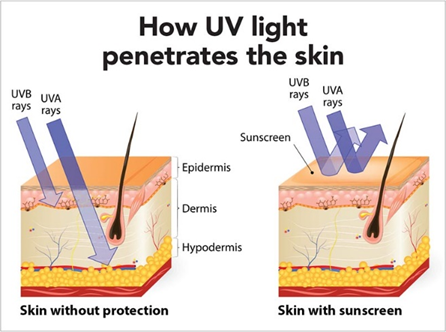
SPF mainly reflects protection from UVB rays (the ones linked to sunburn).
For daily life, many people choose SPF 30–50 depending on sun exposure and personal preference.
What does PA mean?
PA is a common labeling system for UVA protection (the rays linked to visible aging and deep skin damage).
In general:
- PA+ / PA++ = lower UVA protection
- PA+++ / PA++++ = higher UVA protection
For everyday use, many beginners prefer PA+++ or PA++++.
Why does daily sunscreen matter even if you’re not “in the sun”?
A common beginner mistake is thinking SPF is only for beach days.
In many cases, UVA exposure can still add up:
- daylight during commuting
- sitting near windows
- outdoor errands
- cloudy days
Daily sunscreen is less about fear and more about consistent prevention.
Mineral vs chemical: which one should you pick?
This is the most confusing part for beginners, so keep it simple.
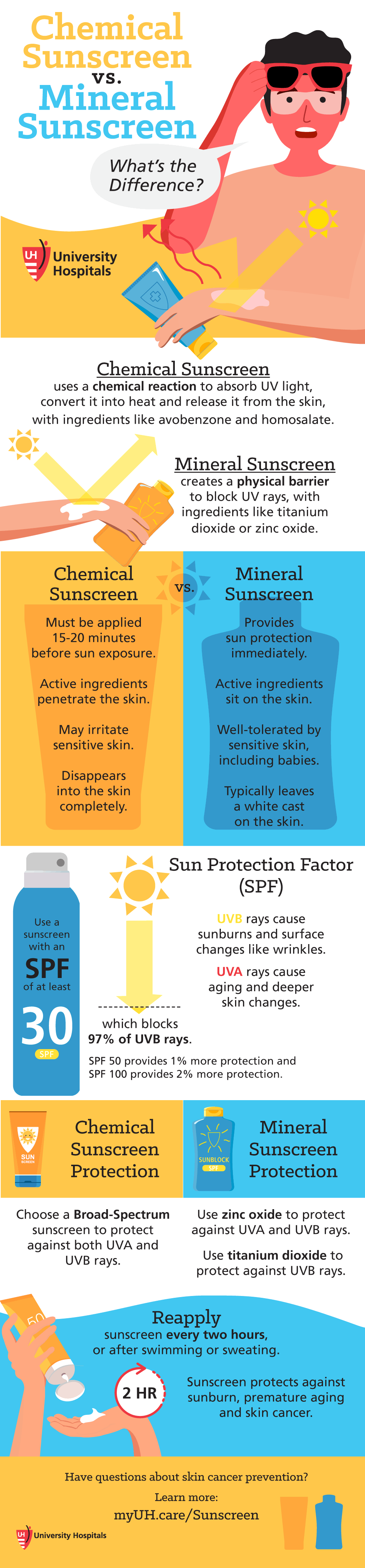
Mineral (physical) sunscreens
Often use zinc oxide and/or titanium dioxide.
Some people choose mineral sunscreen because it can feel gentler, but it may:
- leave a white cast (depending on formula and skin tone)
- feel thicker or drier
Chemical (organic) sunscreens
Use UV filters that absorb UV and convert it to heat.
Many people prefer chemical sunscreens because they tend to:
- feel lighter
- blend more easily
- work well under makeup
Which is better?
Neither is “always better.” The best choice is the one your skin tolerates and you can apply generously.
How do you choose the right Korean sunscreen for your skin type?
If your skin is oily or shiny
Look for descriptions like:
- gel, watery, essence, lightweight
- matte, sebum control, oil-control
If your skin is dry or tight
Look for:
- cream or milk textures
- hydrating, moisturizing, barrier-friendly
- ingredients like glycerin, panthenol, ceramides
If your skin is sensitive
Look for:
- fragrance-free (or minimal fragrance)
- alcohol-free (if alcohol bothers you)
- soothing ingredients like centella (cica), panthenol
If you’re unsure, start with a simple, fragrance-free daily sunscreen and patch test first.
Should you pick a matte, natural, or dewy finish?
Finish is not just aesthetics—it affects consistency.
- Matte: helpful if you hate shine or wear makeup
- Natural: easiest “everyday default”
- Dewy: popular if your skin looks dull or dry, but can feel shiny for some
If you already use hydrating skincare underneath, a “natural” finish often balances best.
Do you need water resistance?
Not everyone needs it daily.
Choose water-resistant sunscreen if you:
- sweat a lot
- exercise outdoors
- spend long hours outside
- live in very hot/humid weather
For indoor or normal city days, a daily sunscreen with good texture may be more sustainable.
How much sunscreen should you use?
This is where results often change.
A practical beginner rule:
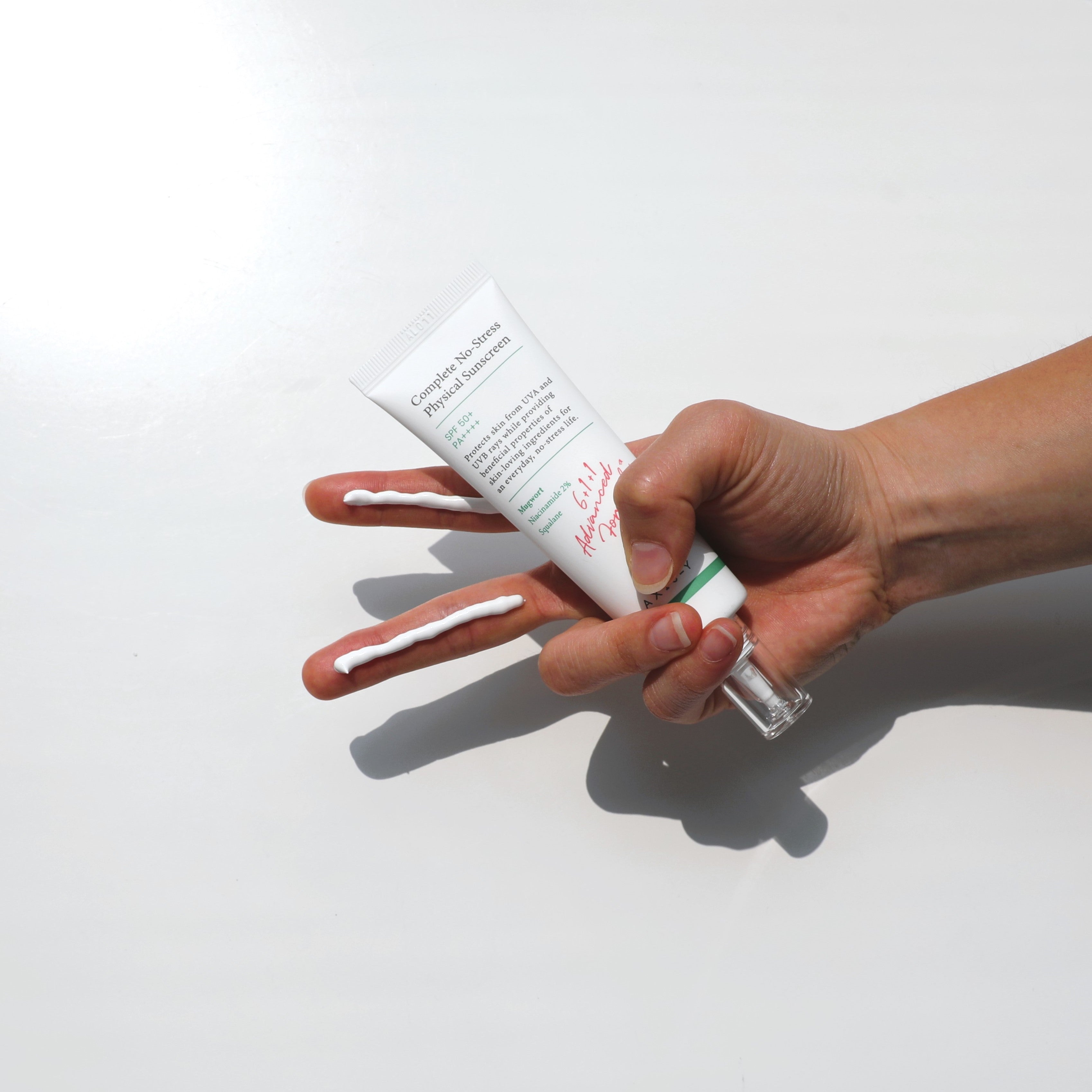
- Face: about two finger-length lines of sunscreen
- Apply evenly and don’t forget common misses: hairline, ears, jawline, around eyes
If you apply too little, your real protection can drop significantly—even if the label says SPF 50+.
How often should you reapply?
For continuous outdoor exposure, many people aim for every 2 hours.
For regular indoor workdays, reapplication can be more flexible. If you only reapply once, a common choice is:
- midday (especially if you commute, sit near windows, or go outside at lunch)
If reapplying lotion is annoying, sunscreen sticks can make touch-ups easier (though the base layer still matters).

Common misconceptions beginners should ignore
“Higher SPF always means dramatically better”
Higher SPF helps, but the difference is smaller than most people think.
In real life, amount and consistency usually matter more.
“You don’t need sunscreen indoors”
UVA can still matter depending on your environment. Daily use is a safe habit for many routines.
“All Korean sunscreens are lightweight”
Many are, but not all. Korea has creams, milks, gels, sticks, and water-resistant options too.
Korean sunscreens are popular because they make daily SPF feel realistic: lighter textures, better finishes, and easier routine compatibility.
If you’re a beginner, focus on a simple checklist:
- SPF 30–50 (often)
- PA+++ or PA++++ (often)
- a texture you’ll actually use daily
- enough quantity, and occasional reapplication when needed
Once sunscreen becomes easy, the rest of skincare tends to work better over time.
 K Beauty Start
Leave a comment