
K-Beauty can be great for acne-prone skin ; but it can also go wrong if you copy long routines without thinking. Breakout-prone skin usually needs fewer products, smarter layering, and barrier-friendly choices.
This guide breaks it down simply: what tends to help, what often makes acne worse, and how to build a routine that feels realistic.
Acne-prone skin: what’s actually happening?
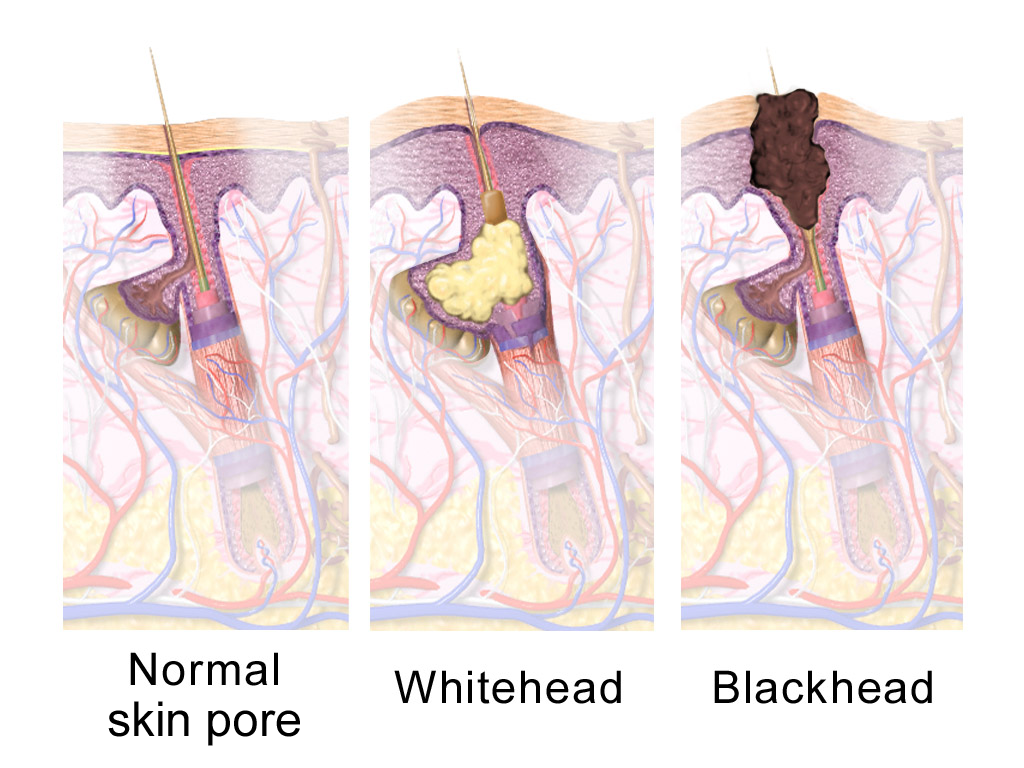
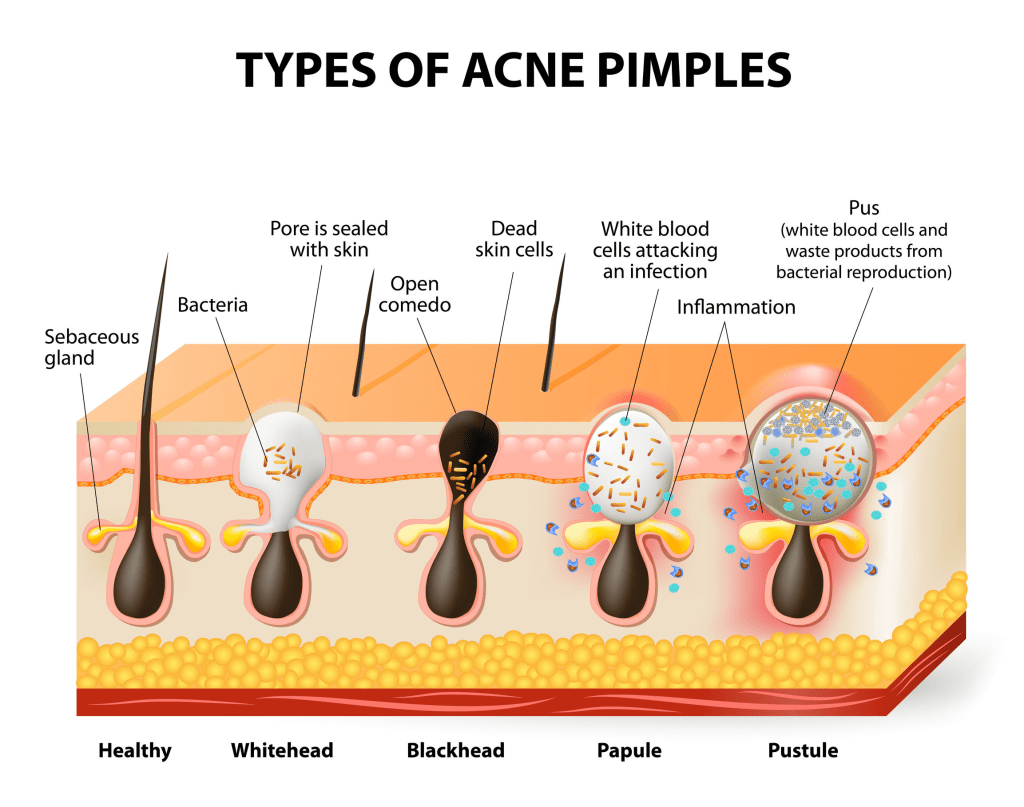
Acne is usually tied to a mix of:
- excess oil (sebum)
- clogged pores (dead skin + oil buildup)
- inflammation (redness, swelling)
- bacteria that thrive in clogged follicles
That’s why “drying everything out” often backfires. When the barrier is stressed, skin can become more reactive and breakouts can feel harder to control.
What does K-Beauty do differently for acne?
K-Beauty tends to focus on:
- gentle cleansing (without stripping)
- hydration that doesn’t feel heavy
- calming inflammation
- using actives slowly and consistently
The goal is not to “attack” skin, but to help it stay stable—because stable skin usually breaks out less over time.
What actually helps acne-prone skin in K-Beauty?
Think of these as “commonly helpful,” not guaranteed. Patch testing and slow introduction still matter.
Niacinamide (often beginner-friendly)
Niacinamide is popular because it can support the barrier while helping with:
- oil balance
- redness
- post-acne marks (the dark spots left behind)
Many people do well with lower concentrations first.
Centella asiatica (Cica)
Cica is widely used in Korean skincare for calming.
It often helps when acne is paired with sensitivity, irritation, or a weakened barrier.
Salicylic acid / BHA (for clogged pores)
BHA is oil-soluble, which is why it’s commonly used for blackheads and congestion.
K-Beauty often uses gentler BHA options, but frequency still matters.
Start low (1–2 nights a week) rather than daily.
Propolis (calming + supportive)
Propolis is commonly used for “angry skin” days because it can feel soothing while still being lightweight.
If you’re sensitive to bee products, skip this one.
Green tea
Green tea is popular in K-Beauty for its calming, antioxidant feel.
Many acne-prone routines use it as a supportive “background” ingredient rather than a strong active.
Laser therapy
Certain laser treatments widely used in Korea focus on improving baseline skin health by targeting and reducing acne-causing bacteria. (e.g., approaches used at L’MEDIQUE)
What should acne-prone skin avoid in K-Beauty?
Heavy, occlusive layering
Acne-prone skin can struggle when too many layers build up.
Even “good” products can feel suffocating when stacked.
If you’re breaking out, simplify first.
Highly fragranced products (including essential oils)
Fragrance doesn’t cause acne for everyone, but it can trigger irritation.
Irritation can make acne look worse and feel harder to calm.
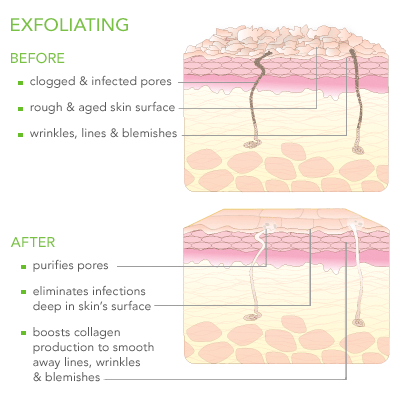
Over-exfoliation
This is a big one.
Using acids too often (or combining too many actives) can weaken the barrier, increase redness, and trigger more breakouts.
For many people, “less exfoliation” improves acne over time.
Harsh physical scrubs
Scrubs can create unnecessary friction and irritation, especially if you have inflamed acne.
If you want smoother skin, controlled chemical exfoliation is usually a safer direction than scrubbing.
“Skipping moisturizer because I’m oily”
Oily skin can still be dehydrated.
If you skip moisturizer, your skin may feel tighter and produce even more oil to compensate.
Use a light gel-cream instead of a heavy cream.
A simple Korean routine for acne-prone skin (for beginners)
This is a practical starting point. You can add more later, but this is enough for most people to begin.
Morning
- Gentle cleanser (or water rinse if your skin tolerates it)
- Lightweight moisturizer (gel-cream or lotion)
- Sunscreen (daily)
Night
- Cleanser (double cleanse only if you wear makeup/heavy sunscreen)
- One treatment step (optional): BHA or niacinamide (not both at first)
- Lightweight moisturizer
How do you know if a product is breaking you out?
A simple rule: change one thing at a time.
- Introduce one new product
- Use it for 1–2 weeks before adding another
- If breakouts spike, pause and simplify
This is boring—but it’s the fastest way to figure out what actually works for your skin.
What about post-acne marks (dark spots after acne)?
Many people confuse active acne with the marks left behind.
Post-acne marks often improve with:
- daily sunscreen
- gentle routines that protect the barrier
- ingredients like niacinamide (and sometimes vitamin C, later)
If you try to “scrub marks away,” you often end up with more irritation and slower recovery.
K-Beauty can work very well for acne-prone skin when you use it with a simple rule:
calm first, treat second, and don’t overload your skin.
Focus on:
- gentle cleansing
- light hydration
- barrier support
- one active at a time
- get adequate laser therapy
That approach tends to be more sustainable than chasing ten-step routines or harsh quick fixes.
 K Beauty Start
Leave a comment