If you’re new to skincare, “K-Beauty” can sound confusing or overwhelming.
There are unfamiliar products, long routines, and a lot of new terms.
K-Beauty simply means Korean skincare, but more importantly, it represents a different way of thinking about skin care.
This guide explains what K-Beauty actually is, why it became so popular, and what beginners really need to understand—without making things complicated.

What does “K-Beauty” actually mean?
K-Beauty is short for Korean Beauty, but it is not just about products made in Korea.
It refers to a skincare philosophy that focuses on:
- keeping skin healthy long-term
- preventing problems before they appear
- using gentle, consistent care
Rather than fixing damage after it happens, K-Beauty aims to maintain balance from the start.
Why did Korean skincare become so popular?
K-Beauty became global because it solved problems many people had with skincare.
A lot of people felt that skincare was either:
- too harsh
- too focused on quick results
- uncomfortable to use every day
Korean skincare offered something different: effective products that feel good to use consistently.
Is K-Beauty just about long routines?
No. This is one of the biggest misunderstandings.
The famous “10-step routine” is not a rule.
It’s a framework showing that different products have different roles.
Many people use:
- fewer steps
- simpler routines
- different steps depending on their skin and schedule
K-Beauty is about choosing what your skin needs, not following a fixed number of steps.
What makes K-Beauty different from Western skincare?
K-Beauty usually emphasizes:
- hydration before treatment
- layering light products instead of one heavy product
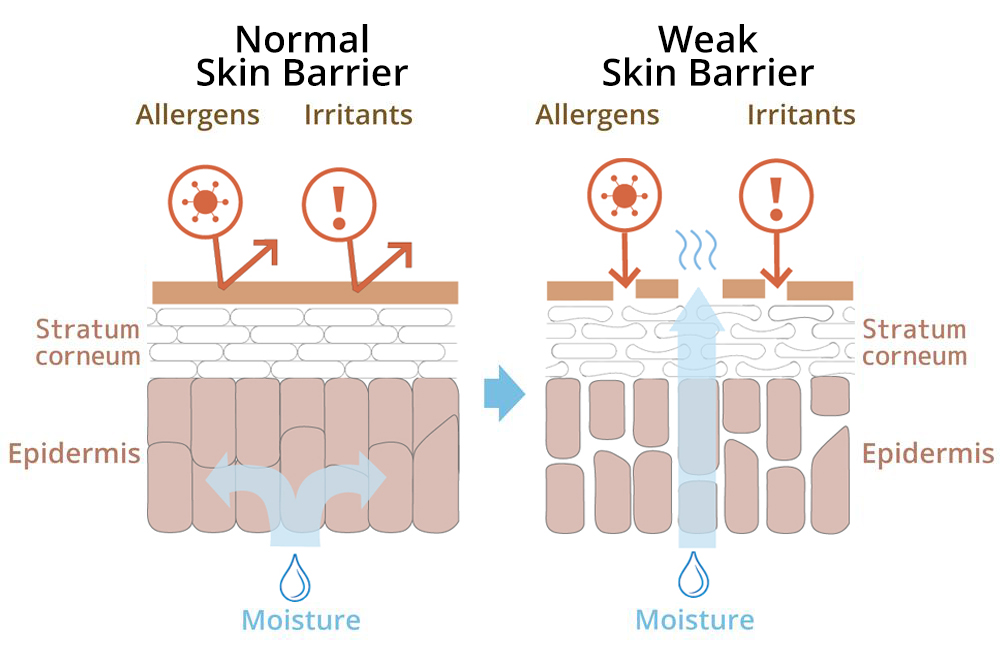
- protecting the skin barrier
- daily sunscreen use
Western skincare has traditionally focused more on:
- strong actives
- fast visible changes
Neither approach is “wrong,” but K-Beauty feels easier for many beginners to maintain.

What is “glass skin”?
“Glass skin” describes skin that looks:
- smooth
- clear
- well-hydrated
- naturally luminous
It does not mean oily or shiny skin.
Glass skin comes from:
- good hydration
- a healthy skin barrier
- consistent care over time
Do you need special ingredients for K-Beauty?
Not necessarily.
K-Beauty often uses ingredients like:
- hyaluronic acid (hydration)
- centella asiatica (soothing)
- ceramides (barrier support)
- fermented ingredients (gentle renewal)
What matters more than the ingredient name is how consistently and correctly it’s used.
Is K-Beauty expensive?
It doesn’t have to be.
One reason K-Beauty spread globally is that:
- there are many affordable options
- products are available at different price levels
- routines can be built slowly
A good routine does not require buying everything at once.
How should a beginner start with K-Beauty?
If you’re just starting, keep it simple.
A beginner-friendly routine can be:
- Cleanser
- Moisturizer
- Sunscreen (morning)
Once your skin feels stable, you can slowly add:
- toner
- essence
- serum
The goal is consistency, not complexity.
Is K-Beauty only for certain skin types?
No.
K-Beauty routines are designed to be flexible:
- dry, oily, combination, and sensitive skin can all adapt them
- routines change with seasons and lifestyle
That adaptability is one reason it works well for many people worldwide.
K-Beauty is not about using many products or following strict rules.
It is about:
- understanding your skin
- caring for it gently and consistently
- preventing problems instead of chasing quick fixes
For beginners, K-Beauty offers a calm, logical starting point into skincare; one that can grow with you over time.
 K Beauty Start
Leave a comment