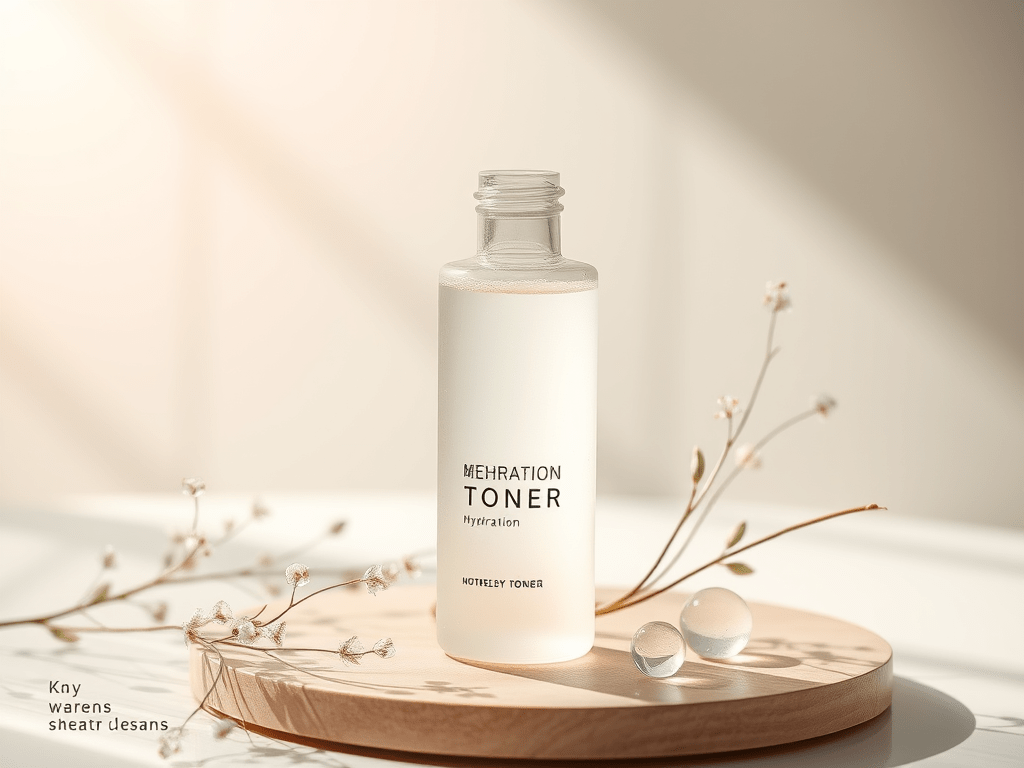
“Toner” means very different things depending on where you learned skincare. In many Western routines, toner was traditionally used to remove leftover oil and make skin feel “tight.” In Korean routines, toner is usually the first hydration and skin-prep step after cleansing.
That difference can change how your entire routine feels—and how your skin reacts over time.
This guide explains why Korean and Western toners evolved differently, how to tell which type you’re using, and how to choose the right one for your skin.

What does “toner” mean in Western skincare?
Traditionally, Western toners were designed to:
- remove residual cleanser or oil
- reduce shine
- give a “clean, squeaky” feeling
- create a temporary tightening sensation
Many older-style toners relied on alcohol, witch hazel, and stronger clarifying ingredients. For some people (especially very oily skin), that felt effective short-term; but it could also be drying for others.
What does “toner” mean in Korean skincare?
In K-Beauty, toner is usually the first step that helps skin:
- feel comfortable after cleansing
- regain hydration quickly
- prepare for serum and moisturizer
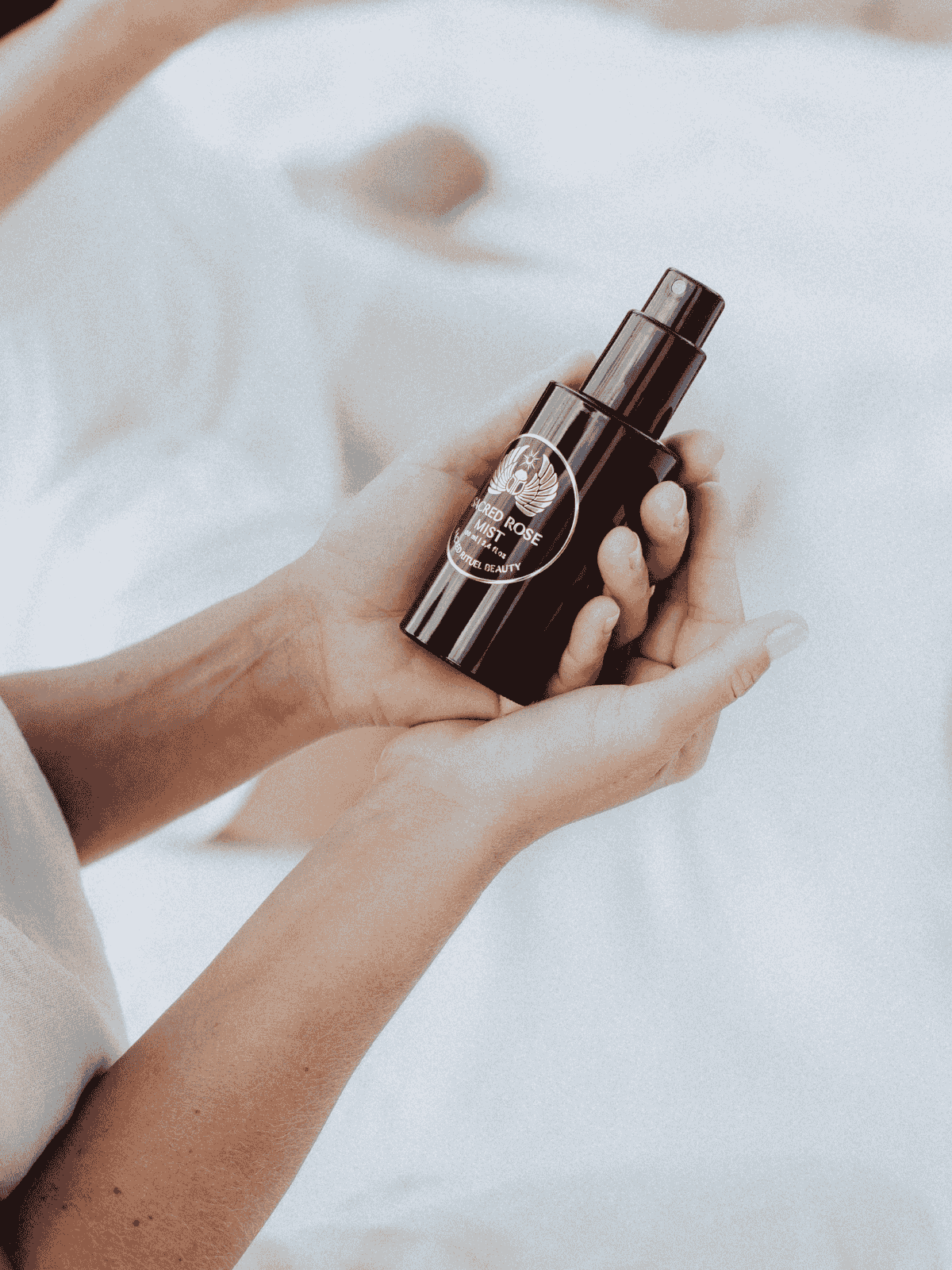
Korean toners are often called “skin” or “skin conditioner.” They’re commonly used like a lightweight hydration layer, not as a “final wipe.”
Why did they evolve so differently?
A simple way to understand it:
- Western toner culture grew from a “clean + control oil” mindset.
- Korean toner culture grew from a “balance + prevent dryness” mindset.
K-Beauty routines also commonly use multiple layers (toner → essence → serum). That encouraged toners to become gentle and hydrating, because they needed to work inside a routine—not overpower it.
What’s the biggest difference in formulas?
Many traditional Western toners
Often emphasize:
- astringents (oil-control feel)
- exfoliating acids (AHA/BHA)
- alcohol (in some formulas)
Not all Western toners are like this now, but this is where the reputation came from.
Most Korean toners
Often emphasize:
- humectants (glycerin, hyaluronic acid)
- barrier-support ingredients (panthenol, beta-glucan)
- soothing botanicals (centella, green tea)
They usually feel more like “watery hydration” than “clarifying wipe.”

Are Western toners “bad” and Korean toners “good”?
No. The category labels can be misleading.
Today, many Western brands make hydrating toners, and many Korean brands make exfoliating/clarifying toners. The real question is:
Is this toner meant to hydrate and prep, or to treat and exfoliate?
That purpose matters more than where it was made.
How can you tell what type of toner you have?
Look at two things:
1) How it feels
- If it feels instantly tight or dry → it’s likely more astringent/clarifying
- If it feels like water-based hydration → it’s likely a hydrating/prep toner
2) What it’s trying to do
- “Pore tightening,” “oil control,” “clarifying” → often treatment-style
- “Hydrating,” “soothing,” “skin conditioner” → often prep-style
Which toner is right for your skin?
If your skin is dry or easily irritated
You’ll usually do better with a hydrating Korean-style toner (or a hydrating toner from any brand).
If your skin is oily and congested
A treatment toner (AHA/BHA style) can help—but it should be used like an exfoliant, not like a daily hydration step.
If your skin is acne-prone but sensitive
Hydration-first often wins: use a gentle hydrating toner daily, and use acids only 1–3 nights/week if your skin tolerates them.
How should you use a Korean-style toner?
Most K-Beauty routines apply toner with hands (not as a wipe):
- cleanse
- pat toner into skin
- repeat once if your skin feels tight
- continue with serum/moisturizer
This is also why K-Beauty toners are commonly used in thin layers.
Common beginner mistakes with toner
- Using an acid toner daily and then wondering why skin feels raw
- Using astringent toners when skin is already dry
- Expecting toner to “shrink pores” permanently
- Skipping moisturizer because toner feels hydrating (toner adds water, moisturizer helps keep it)

Korean and Western toners feel different because they were built for different roles:
- Traditional Western toner: clean + control oil
- Typical Korean toner: hydrate + prep the skin
Modern skincare has blended these categories, so the best approach is to choose based on your skin’s needs and the toner’s purpose—not the label.
If your skin often feels tight or dehydrated, a hydrating K-Beauty-style toner is usually the easiest place to start.
 K Beauty Start
Leave a comment