Skincare trends move fast, and three of the biggest ones right now are slugging, skin flooding, and glass skin. They all aim to improve hydration and glow—but they work in very different ways.
The confusing part is that none of these trends is “best” for everyone. Your skin type, climate, and breakout tendency matter more than TikTok popularity.
This guide breaks down what each trend actually is, who it tends to suit, and how to choose safely.


What is slugging (and why do people do it)?
Slugging means applying a thick occlusive layer (often petrolatum-based) as the last step at night. The point is not to “add” moisture ; it’s to prevent moisture loss.
Slugging can be helpful when skin feels dry, tight, or irritated because it creates a protective seal while you sleep.
Best for (often):
- very dry skin
- a compromised barrier (over-exfoliated, irritated skin)
- cold/dry climates
Use with caution if:
- you are acne-prone or easily congested
- you get milia (tiny white bumps)
- you dislike heavy texture

What is skin flooding (and why is it different)?
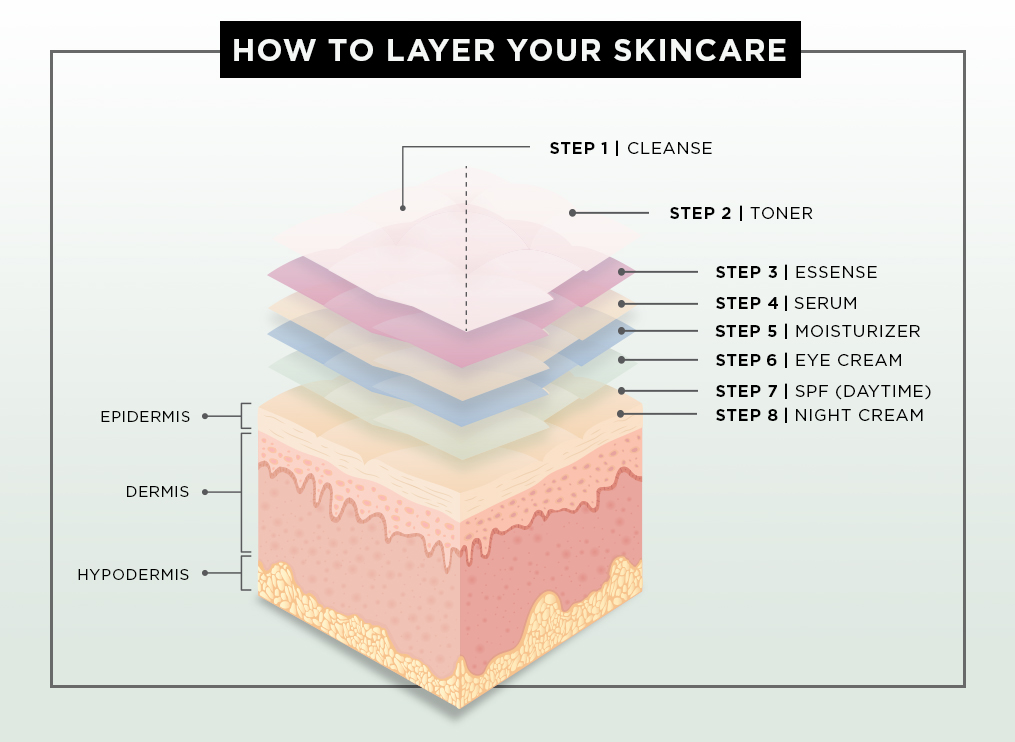
Skin flooding is about applying hydrating layers on slightly damp skin right after cleansing. It usually involves a toner/essence + hydrating serum + moisturizer.
This trend focuses on adding water and water-binding ingredients (humectants) into the skin, then sealing it lightly so it lasts.
Best for (often):
- dehydrated skin (tightness + dullness)
- people who want hydration without heaviness
- combination or oily skin that still feels “tight”
Use with caution if:
- your skin reacts easily to multiple products
- you flood without sealing (hydration can evaporate fast in dry air)

What is “glass skin” (and is it a routine or a result)?
Glass skin is more of a goal than a single technique. It means skin that looks:
- smooth
- evenly toned
- well-hydrated
- naturally luminous
Glass skin usually comes from consistent basics: gentle cleansing, hydration, barrier support, and daily sunscreen—plus careful exfoliation when needed.
Best for (often):
- people who like structured routines
- those focused on texture + hydration + tone
Harder if:
- you have active inflammatory acne
- your barrier is currently irritated
- you over-exfoliate trying to “polish” skin


Quick match guide: which trend fits your skin?
If your skin is dry and flaky
Start with slugging (1–2 nights/week) or a lighter “partial slug” only on dry zones.
If your skin is oily but feels tight
Try skin flooding (hydration + light seal). Many people in this category do better with flooding than slugging.
If your main goal is glow + smoothness
Glass skin is your direction ; but focus on consistency, not more steps.
If you break out easily
Start with skin flooding, and keep slugging as “spot-only” (cheeks, dry patches) if needed.
How to do each trend safely (beginner rules)
Slugging: the safe way
- Cleanse
- Hydrate (toner/essence)
- Moisturize
- Apply a thin occlusive layer (not a thick mask)
Tip: Avoid slugging on nights you use strong actives (retinoids/acids) until you know your tolerance.
Skin flooding: the safe way
- Cleanse
- Apply hydrating toner/essence on damp skin
- Apply a hydrating serum
- Seal with moisturizer
Tip: The final moisturizer matters. Without a seal, hydration may feel short-lived.
Glass skin: the safe way
- Prioritize daily sunscreen
- Keep cleansing gentle
- Hydrate consistently
- Exfoliate carefully (not aggressively)
Tip: If your skin stings or feels raw, pause exfoliation and rebuild the barrier first.
Common mistakes that make these trends backfire
- Slugging on acne-prone skin every night (congestion risk)
- Flooding with many layers but no moisturizer (hydration evaporates quickly)
- Chasing glass skin by over-exfoliating (barrier damage + redness)
- Trying all three trends at once (hard to identify what works)

Slugging, skin flooding, and glass skin are not “better” or “worse”—they’re tools.
- Slugging = seal (best for dryness and barrier repair)
- Skin flooding = hydrate (best for dehydration and tightness)
- Glass skin = result (built through consistent basics)
Choose the method your skin can repeat consistently, then adjust slowly based on real feedback; not trends.
 K Beauty Start
Leave a comment