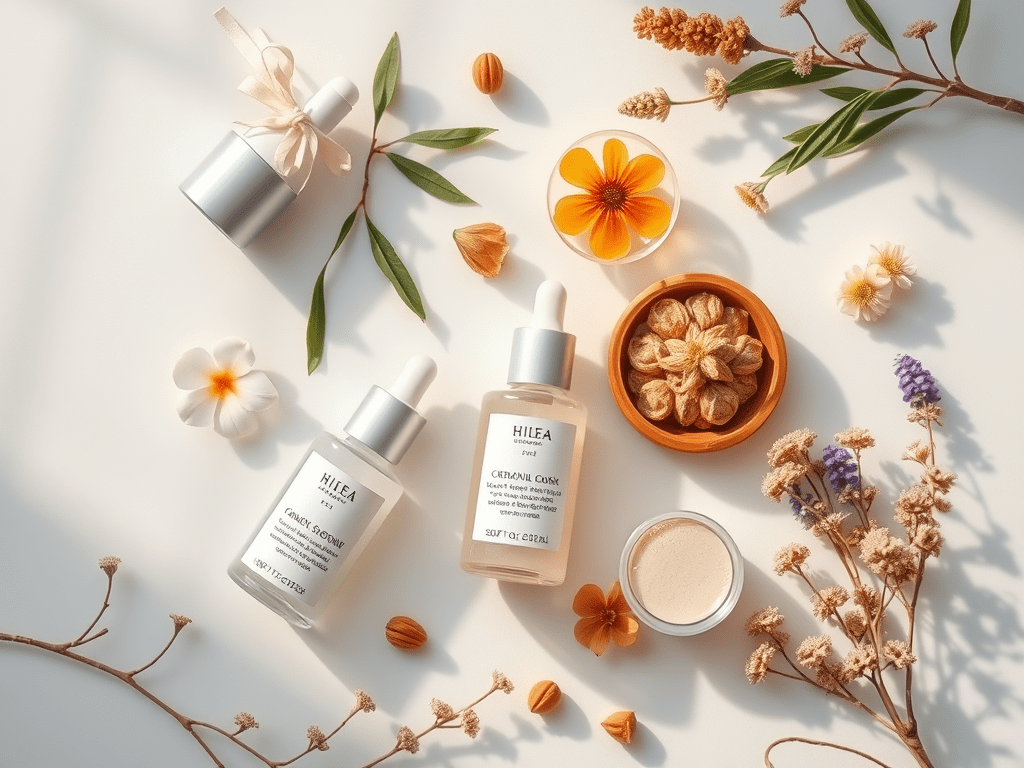
Sensitive skin can make skincare feel unpredictable.
A product that works well for others may cause burning, redness, or stinging on your skin ; especially when routines become complicated.
K-Beauty is often a good match for sensitive skin because it focuses on gentle hydration, barrier repair, and calm layering rather than harsh treatments.
This guide explains how sensitive skin reacts, which ingredients usually help, what to avoid, and how to build a Korean-style routine that feels safe and comfortable.


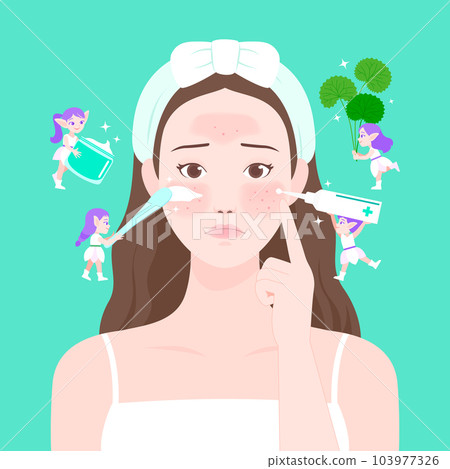
What actually causes redness and burning in sensitive skin?
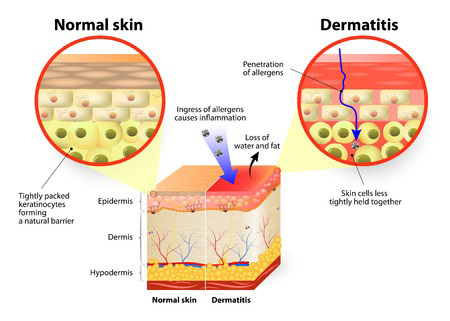
Most sensitive-skin reactions are linked to a weakened skin barrier.
When the barrier is compromised:
- moisture escapes more easily
- irritants penetrate more deeply
- skin reacts faster and more intensely
This is why sensitive skin often feels tight, hot, or itchy—even with “gentle” products.


Why K-Beauty works well for sensitive skin
K-Beauty routines are built around stability, not shock.
They usually emphasize:
- hydration before treatment
- light layers instead of heavy actives
- ingredients that support the barrier
This approach reduces sudden stress on reactive skin.
Ingredients in Korean skincare that often help sensitive skin
These ingredients are commonly used in Korean products designed for calming and barrier support:
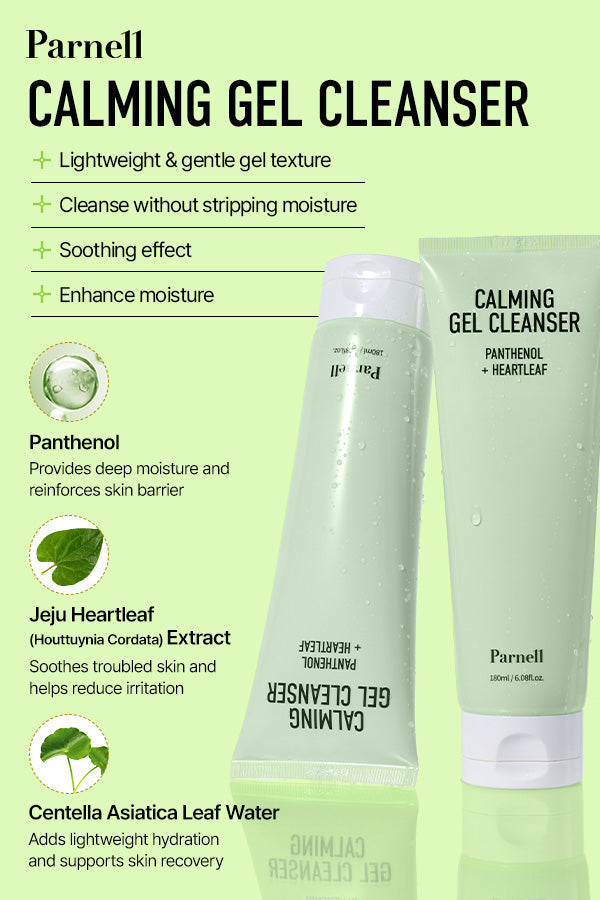
Centella asiatica (Cica)
Often used to soothe visible redness and support recovery after irritation.
Panthenol (Vitamin B5)
Helps skin feel more comfortable and supports barrier repair.
Ceramides
Mimic the skin’s natural lipids and reduce ongoing sensitivity over time.
Beta-glucan
A gentle hydrator often tolerated well by reactive skin.
Hyaluronic acid + glycerin
Help relieve tightness when followed by a proper moisturizer.

Ingredients that commonly trigger burning or redness
If your skin is sensitive, these are frequent causes of discomfort:
- Fragrance (synthetic or essential oils)
- Drying alcohols (alcohol denat / ethanol high on the list)
- Harsh exfoliation (scrubs or strong acids too often)
- Too many actives layered together
Burning does not mean a product is working.


A simple Korean skincare routine for sensitive skin
Sensitive skin usually improves with fewer, calmer steps.
Morning routine
- Gentle cleanse (or water rinse if cleansing stings)
- Hydrating toner (optional)
- Barrier-friendly moisturizer
- Sunscreen
Night routine
- Gentle cleanse
- Hydrating toner or essence (optional)
- Moisturizer
If your skin is actively burning, skip optional steps and keep only cleanser + moisturizer + sunscreen.


How to patch test properly (so you don’t regret it)
Patch testing prevents most bad reactions.
A practical method:
- apply to jawline or behind the ear
- once daily for 2–3 days
- no burning or redness → expand use
Always introduce one new product at a time, waiting 1–2 weeks before adding another.
What to do when your skin flares up
When redness or burning starts, the goal is calm, not correction.
During a flare:
- stop all actives
- use a bland moisturizer
- cleanse gently (or skip if needed)
- protect with sunscreen in the morning
Do not scrub, exfoliate, or “push through” irritation.


Common mistakes sensitive-skin beginners make
- adding too many products too fast
- chasing glow with exfoliation
- using fragranced products for “spa vibes”
- skipping moisturizer because skin looks oily
- assuming stinging is normal
For sensitive skin, comfort is feedback.

Sensitive skin can work very well with K-Beauty—but only when the routine is simplified and barrier-focused.
The safest approach is:
- gentle cleansing
- consistent hydration
- barrier support
- slow product introduction
- daily sunscreen
When your skin feels calm, redness and burning usually become less frequent over time.
 K Beauty Start
Leave a comment