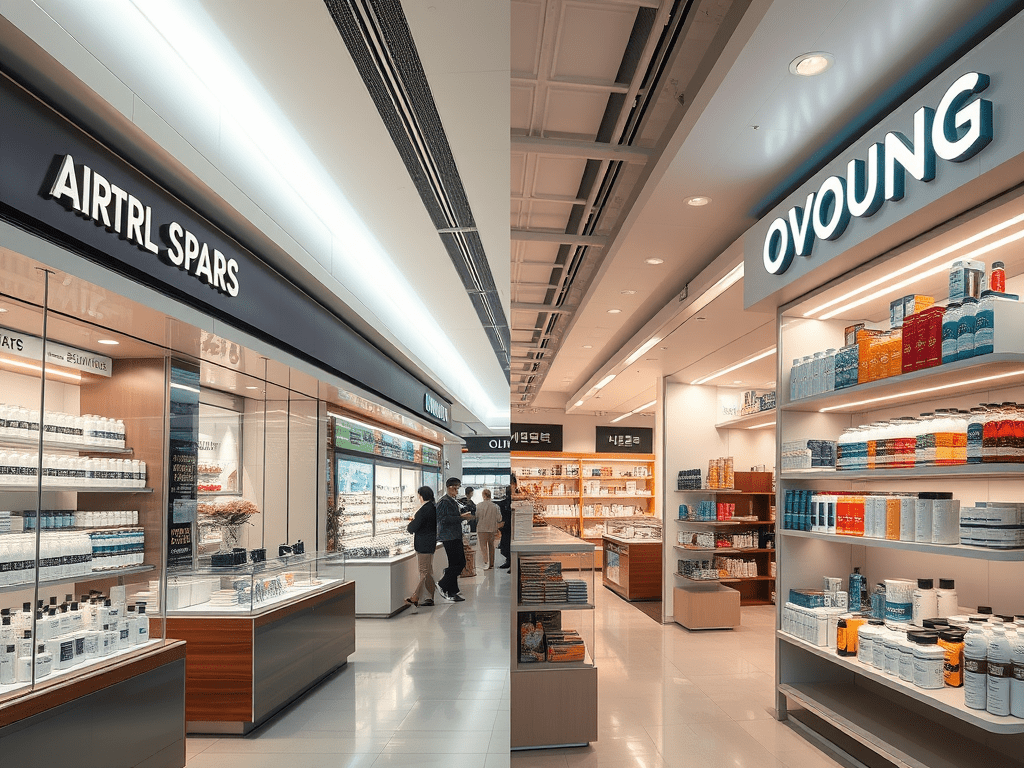
If you’re shopping for Korean skincare, it’s easy to assume Koreans buy everything at duty-free—because that’s where many tourists shop. In real life, most day-to-day skincare shopping in Korea happens domestically, and Olive Young is the default stop for many people.
Duty-free still matters—but usually for premium brands, travel timing, and gift sets, not everyday replenishment.


The simple answer
- Everyday skincare (refills, trending items, mid-priced brands): mostly Olive Young + online delivery
- High-end “big ticket” skincare (luxury sets, prestige brands): often duty-free when someone is traveling
In other words: Olive Young for routine, duty-free for occasions.
Why Koreans use Olive Young so much
1) Convenience beats small discounts
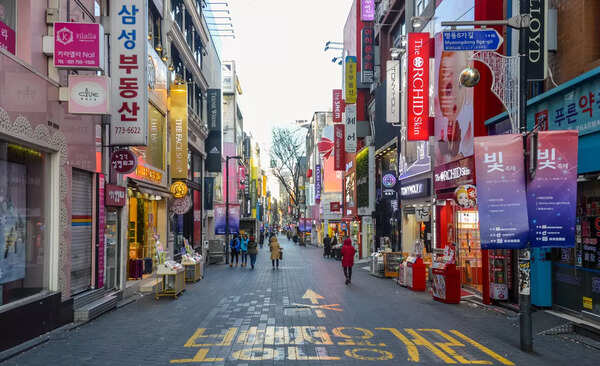
Koreans can walk into Olive Young almost anywhere in major neighborhoods. For most products, that convenience matters more than a small price difference.
2) Multi-brand comparison in one place
You can compare textures, ingredient directions, and “what’s trending” across many brands in a single visit.
3) Constant promotions + loyalty behavior
Local shoppers often time purchases around store promos and online discounts rather than waiting for travel.
4) Trend discovery culture
Many new or viral products “break” through health & beauty chains first, so the store becomes a discovery channel—not just a checkout counter.

When duty-free wins (and why)
Duty-free is most attractive when the absolute savings are meaningful.
That tends to be:
- premium Korean brands and luxury lines
- big sets (especially travel-exclusive bundles)
- purchases timed around business trips / vacations
It’s less about routine skincare and more about “planned shopping moments.”
Also, duty-free shopping is inherently tied to travel. If you’re not flying, you usually won’t use it as your main supply channel.
What product types are usually bought where?
More often at Olive Young / domestic retail
- daily cleansers, toners, moisturizers
- sunscreen restocks
- acne patches, spot care
- “trending” mid-range items
- smaller indie brands
More often at duty-free
- prestige anti-aging lines
- expensive serums/creams where % savings becomes large
- gift sets (especially “value sets”)
Don’t forget: Koreans also buy skincare online
Even when people say “Olive Young,” a lot of buying is now app-based or same/next-day delivery.
Major channels include:
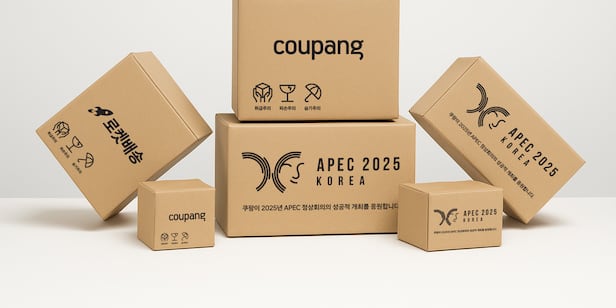
- Coupang (fast delivery culture)
- Olive Young online store/app
- brand official stores (for launches + exclusives)
Online matters because it competes with duty-free on price through promos—without requiring travel.

Practical shopping rules you can use
If you’re visiting Korea for a short trip
- Use Olive Young for: trending items + sunscreen + “try and compare” shopping
- Use duty-free for: 1–2 premium purchases only if the discount is clearly worth it
If you live in Korea
- Treat duty-free like an “event channel” (big purchases, gifts, premium sets)
- Treat domestic retail + online like your “maintenance channel” (restocks, experimentation)
Koreans don’t rely on one channel. They shop by purpose:
- Daily life = domestic retail + online (often Olive Young)
- Travel moments = duty-free (usually premium-focused)
If you understand that split, it becomes much easier to shop like a local—and avoid overpaying or overbuying.
 K Beauty Start
Leave a comment