K-Beauty became global fast—so myths spread fast too. A lot of beginners end up overwhelmed, spending too much, or irritating their skin because they follow rigid “rules” that real Korean routines don’t actually require.
This guide breaks down the most common K-Beauty myths and replaces them with what’s more realistic and beginner-safe.

Myth 1: “You must do a 10-step routine”
The “10-step routine” is a framework, not a requirement.
Many people do fewer steps depending on:
- skin type
- season
- time and lifestyle
- current skin condition
Reality: A consistent 3–5 step routine can work extremely well.

Myth 2: “Korean products are always gentle”
K-Beauty includes everything from ultra-gentle barrier creams to strong acids and retinoids.
Some Korean products are mild. Some are powerful. Some are fragranced. Some are not.
Reality: Korean skincare isn’t automatically gentle—formulation matters more than country.


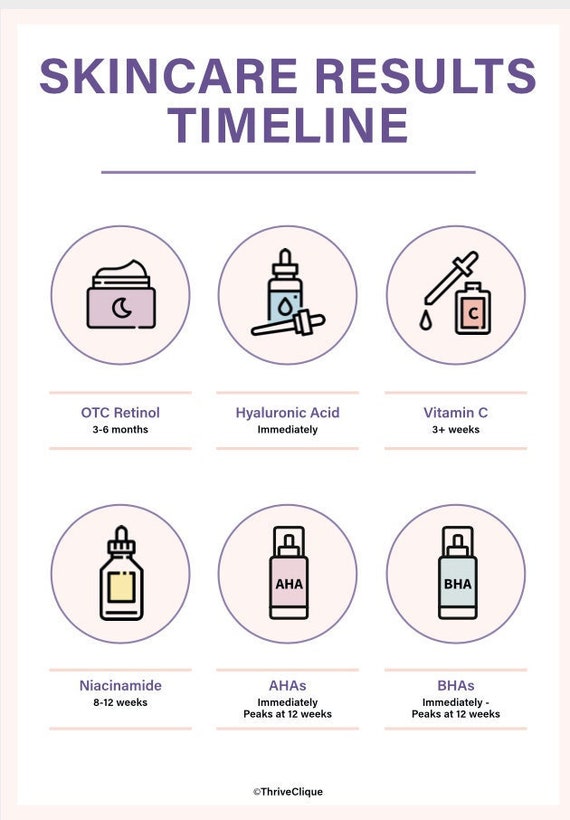
Myth 3: “You’ll see results in a week”
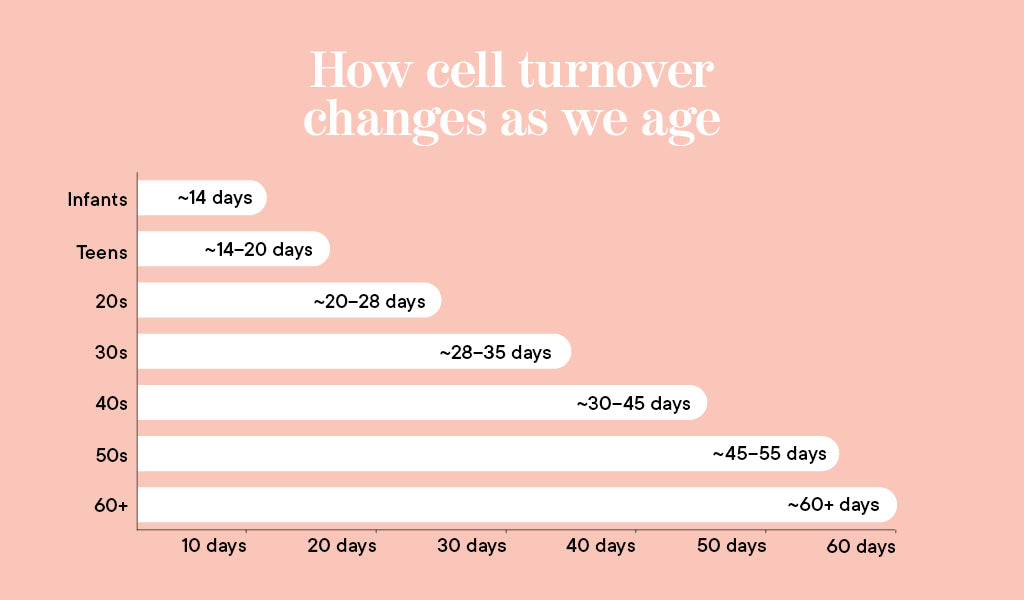
Hydration can look better quickly, but deeper change takes time.
Skin renewal works in cycles. Most visible improvements require weeks to months, not days.
Reality: judge routines in the 8–12 week window for most concerns.
Myth 4: “Expensive K-Beauty is always better”
Price can reflect packaging, marketing, or brand positioning—not necessarily better ingredients.
Many popular K-Beauty essentials are affordable and still well-formulated.
Reality: look at ingredients, texture fit, and consistency—not price.

Myth 5: “A viral product works for everyone”
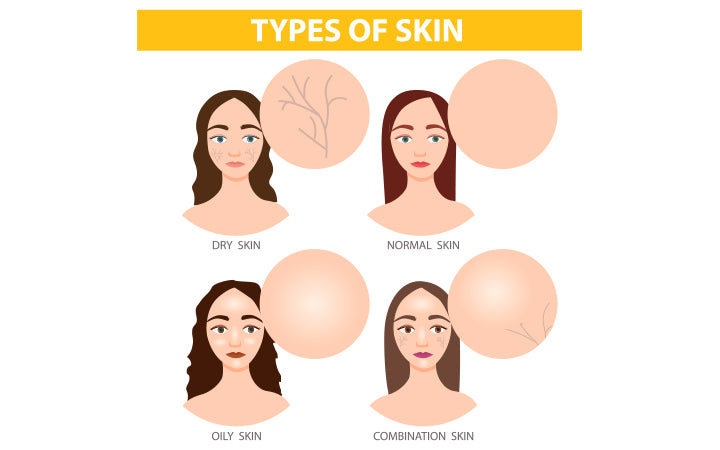
A product can be amazing for one skin type and terrible for another.
Skin differs by:
- oil production
- sensitivity
- climate
- underlying conditions
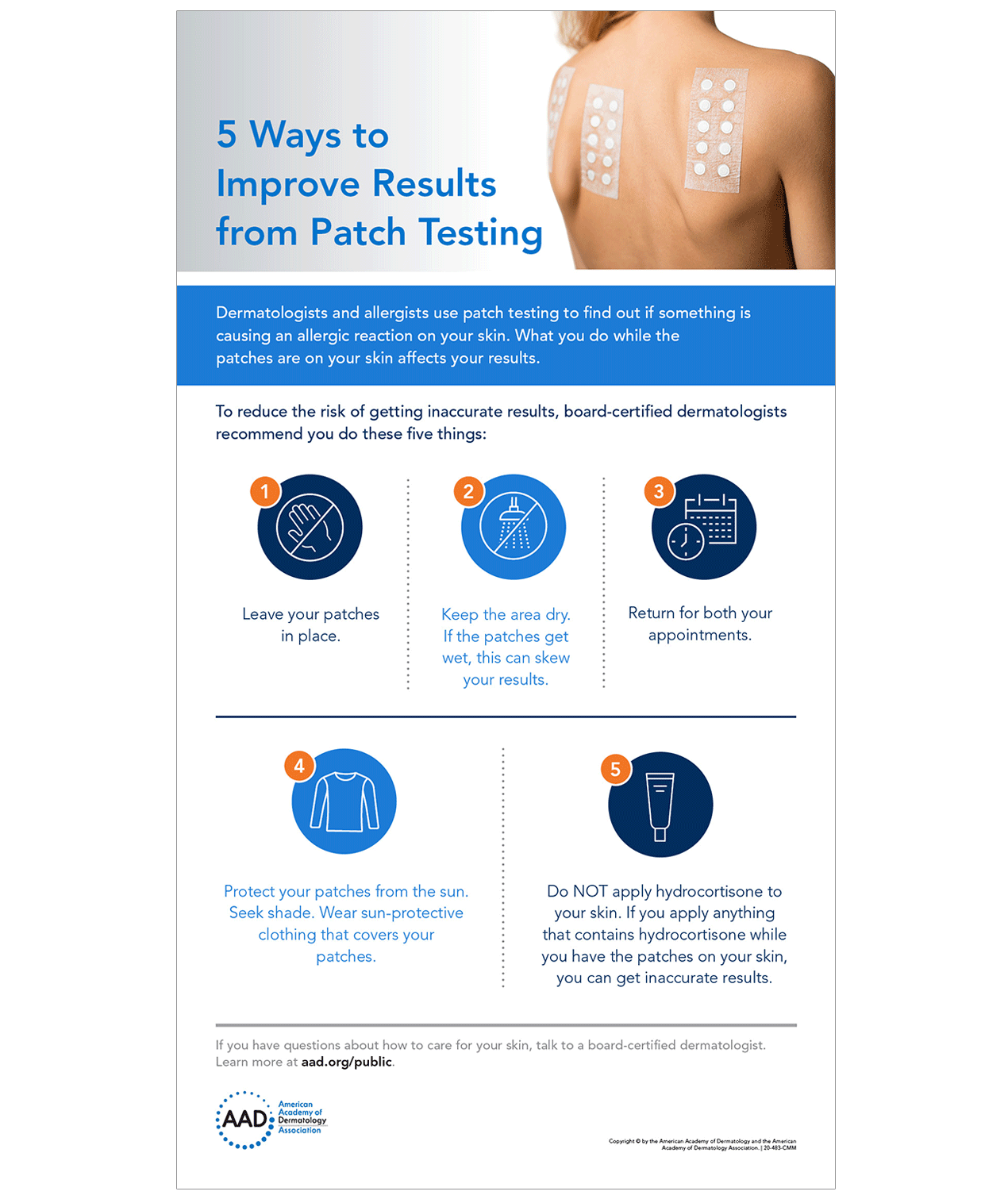
Reality: what’s “best” is personal—patch test and introduce slowly.
Myth 6: “Physical exfoliation is always bad”
Harsh scrubs can irritate, yes—but gentle physical exfoliation still exists. Some people tolerate gentle physical methods better than acids, especially if sensitive.
Reality: the problem isn’t “physical” vs “chemical.” It’s how aggressive and how often.

Myth 7: “Sunscreen is only for summer”
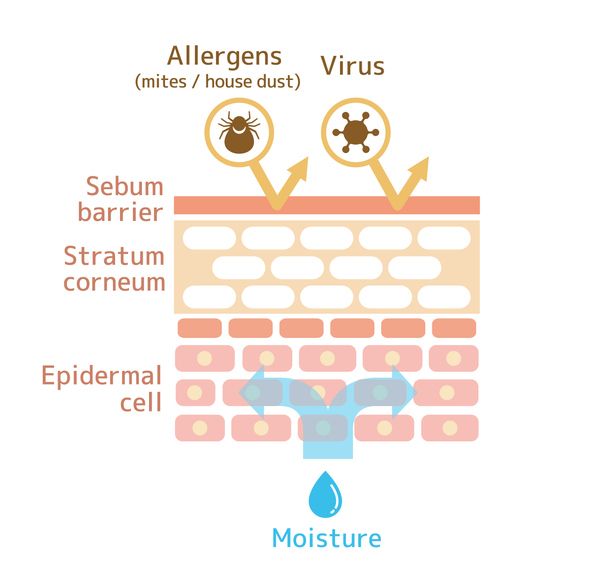
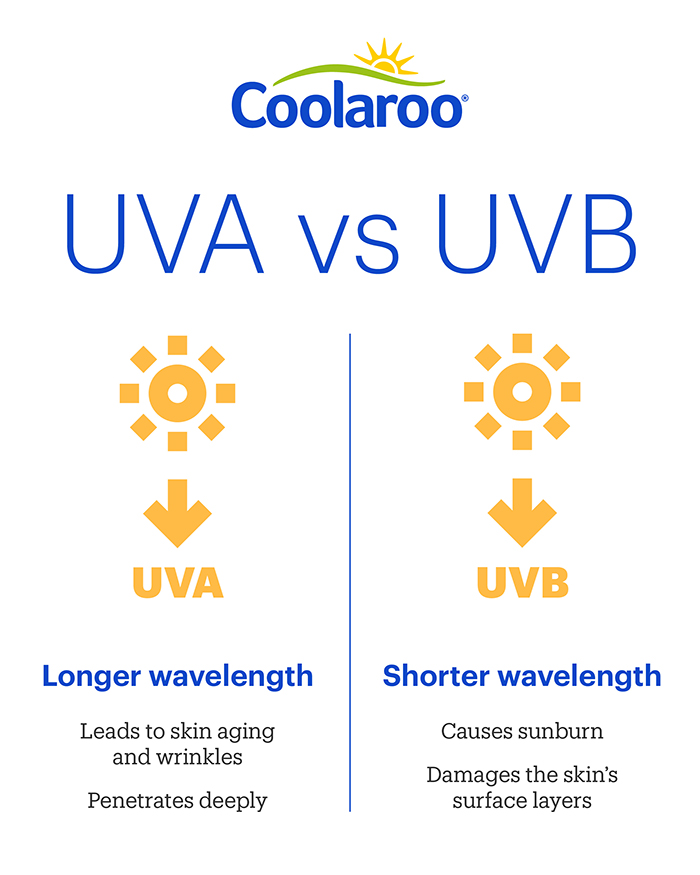
UVA rays can affect skin year-round and can pass through clouds and windows.
K-Beauty treats sunscreen as daily maintenance because it prevents:
- pigmentation
- loss of firmness
- premature aging
Reality: sunscreen is the most consistent “anti-aging” habit.
Myth 8: “More products = better skin”
More products can mean:
- more irritation risk
- more ingredient conflicts
- harder troubleshooting
K-Beauty works best when routines are intentional, not maximal.
Reality: “minimum effective routine” beats “maximum product routine.”

Myth 9: “K-Beauty can fix everything”
Skincare can improve hydration, texture, and tone—but it can’t change genetics or erase every concern. Some issues (severe acne, melasma, deep scarring) may need professional care.
Reality: aim for healthier skin, not impossible perfection.


Myth 10: “Following trends guarantees results”
Trends change weekly. Skin changes slowly.
Constantly switching products prevents your skin from adapting and makes it hard to learn what works.
Reality: choose a stable routine, then adjust slowly based on feedback.

K-Beauty is most effective when you treat it as a long-term system:
- gentle consistency
- barrier-first thinking
- sunscreen daily
- personalization over rules
If you ignore the myths and keep the basics stable, K-Beauty becomes much simpler—and your skin usually responds better over time.
 K Beauty Start
Leave a comment