If you grew up thinking “heavy cream = more hydration,” Korean moisturizers can feel confusing. Many K-Beauty creams feel almost weightless : yet people still say they hydrate well.
That’s not marketing magic. It’s formulation strategy: Korean moisturizers often focus on hydration + barrier support + fast absorption, instead of relying mainly on thick occlusion.
“Light” doesn’t mean “weak”: how moisturizers actually work
A moisturizer can work through three main mechanisms:
- Humectants (pull water into the skin)
- Emollients (smooth and soften the skin surface)
- Occlusives (reduce water loss by sealing)
Many Western creams lean heavily on occlusives to feel “rich.”
K-Beauty often uses more humectant + barrier support, then seals with a lighter finish.

Reason 1: Korean moisturizers use “water-binding” hydration more strategically
K-Beauty formulas often rely on multiple humectants so the skin feels hydrated without a greasy layer.
Common examples:
- glycerin
- hyaluronic acid (often in multiple weights)
- beta-glucan
- panthenol
This approach can make the product feel light while still keeping skin comfortable.


Reason 2: Better emulsion technology = lighter texture, same function
Texture depends on how water and oil are blended (emulsion). Korean moisturizers often use gel-cream systems and finer emulsions that spread easily and absorb quickly.
You’ll often see textures like:
- gel-cream
- water-cream
- “water burst” formulas
They can deliver moisture without the heavy film that some traditional creams leave behind.


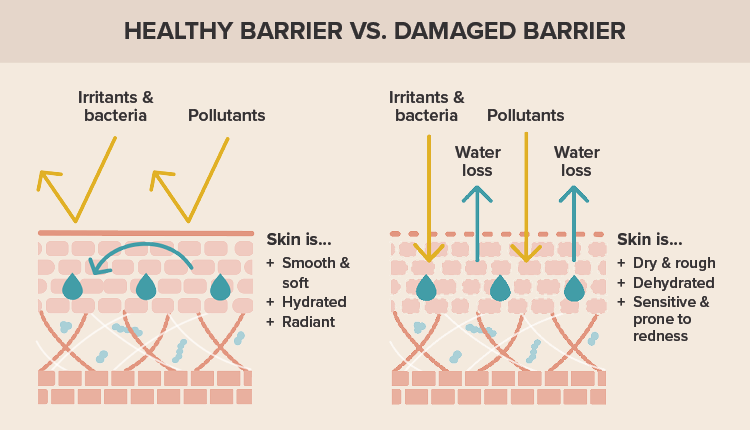
Reason 3: Korean moisturizers focus on barrier support (so you don’t need a thick seal)
If your skin barrier is healthy, it naturally holds water better. That reduces the need for thick occlusives.
K-Beauty moisturizers often include barrier-supporting ingredients like:
- ceramides
- fatty acids
- cholesterol
- niacinamide
Instead of “covering” the skin, they help the skin retain moisture more efficiently.

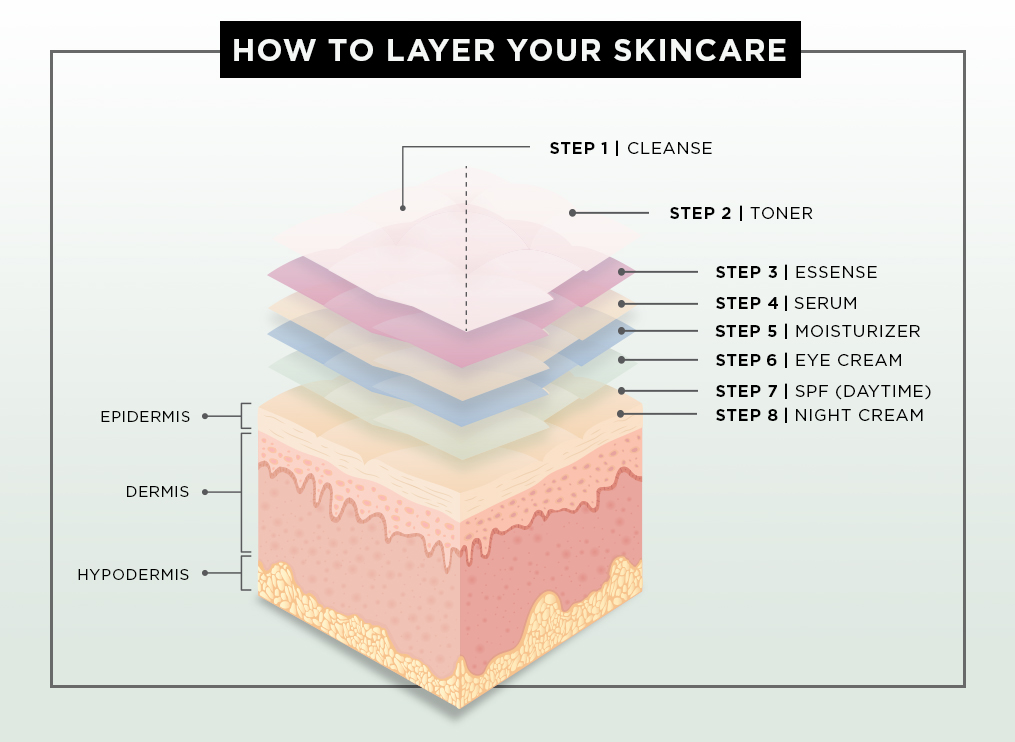
Reason 4: Layering is built into K-Beauty, so each product can stay light
K-Beauty routines often use hydration steps before moisturizer (toner/essence/serum). So the moisturizer doesn’t have to do everything by itself.
Think of it as:
- hydration layers build water content
- moisturizer seals and supports the barrier
When hydration comes earlier, the final cream can stay lighter.
Reason 5: Climate + daily comfort shaped the formulas
Korea has humid summers and cold, dry winters. In humid weather, heavy creams can feel uncomfortable and may contribute to congestion for some skin types.
So Korean brands invested heavily in moisturizers that:
- feel comfortable in humidity
- absorb fast
- still protect the barrier
That’s part of why the textures became so refined.
How to choose the right “light” moisturizer for your skin
If you’re oily or acne-prone
Look for:
- gel-cream / lotion textures
- “lightweight” / “oil-free” positioning
- barrier-friendly ingredients (don’t skip moisturizer)
If you’re dry
You can still use lightweight moisturizers—but you may need:
- more hydration layers under it
- a richer night cream in winter
- occasional sleeping mask on very dry nights
If you’re sensitive
Prioritize:
- fragrance-free when possible
- panthenol / ceramides / centella
- fewer actives in the same product

Korean moisturizers feel lighter because they’re designed to work differently:
- hydrate with humectants
- support the barrier with skin-identical lipids
- absorb quickly through advanced textures
- fit into a layered routine instead of doing everything alone
So yes ! light can still “work.” In many cases, it works better because you’ll actually want to use it consistently.
 K Beauty Start
Leave a comment