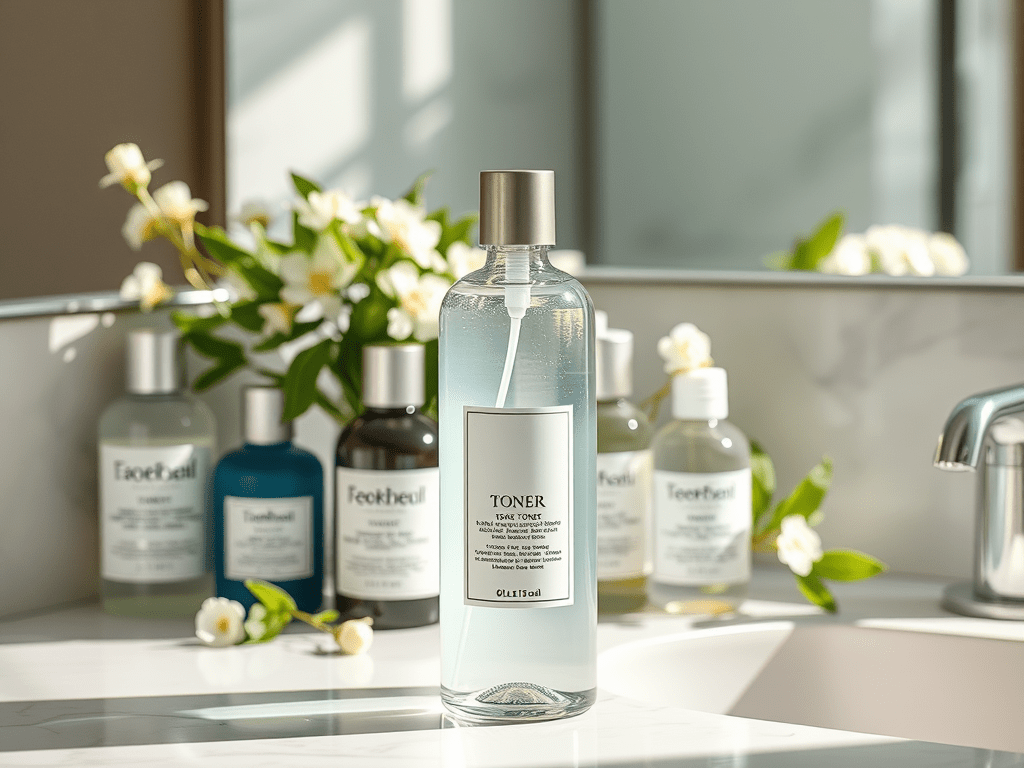
Korean toners are everywhere in K-Beauty routines—so it’s natural to wonder: are they actually necessary, or just an extra step?
The honest answer: sometimes yes, sometimes no.
A Korean “toner” isn’t the same as an old-school Western astringent. Most Korean toners are designed to hydrate and prep the skin, not strip it. But whether you need one depends on your skin and routine.

What a Korean toner actually does
Most Korean toners are built to do one (or more) of these jobs:
- Rehydrate after cleansing
- Reduce tightness and help products layer smoothly
- Support the skin barrier (especially if you’re dry or sensitive)
- Sometimes: light exfoliation (acid toners : different category)
Think of it as a “hydration reset” step rather than a “cleaning wipe.”


When a toner is actually worth it
A Korean toner is often useful if:
Your skin feels tight after cleansing
That tight feeling often signals dehydration or barrier stress. A hydrating toner can improve comfort fast.
You’re dry, dehydrated, or sensitive
Hydrating layers can make moisturizer work better—and reduce irritation from other steps.
You use strong actives (retinol/acids) and need barrier support
A gentle toner can buffer dryness and help your routine feel more stable.
Your products pill or don’t layer well
A thin hydrating base can make layering smoother and reduce friction pilling.

When you probably don’t need one
You can usually skip toner if:
Your cleanser is gentle and your skin feels comfortable after washing
If your skin already feels fine, toner may not change much.
You prefer a minimal routine
If you do cleanser → moisturizer → sunscreen consistently, that can be enough for many people.
You use a hydrating serum already
Some serums do the same job a toner would—especially if you apply them on slightly damp skin.

The big confusion: “hydrating toner” vs “acid toner”
Not all toners are the same.
Hydrating toner (K-Beauty default)
- meant for daily use
- focuses on hydration and comfort
- usually gentle
Exfoliating toner (AHA/BHA/PHA)
- acts like an exfoliant
- can irritate if used too often
- usually better at night and not every day
If you’re asking “do I need toner,” you probably mean hydrating toner—not acid toner.

How to decide in 30 seconds (quick test)
After cleansing, wait 60 seconds:
- If your skin feels comfortable → toner is optional
- If your skin feels tight, dry, or easily irritated → toner is likely helpful
- If your skin burns or stings often → focus on barrier support (toner can help if fragrance-free and gentle)
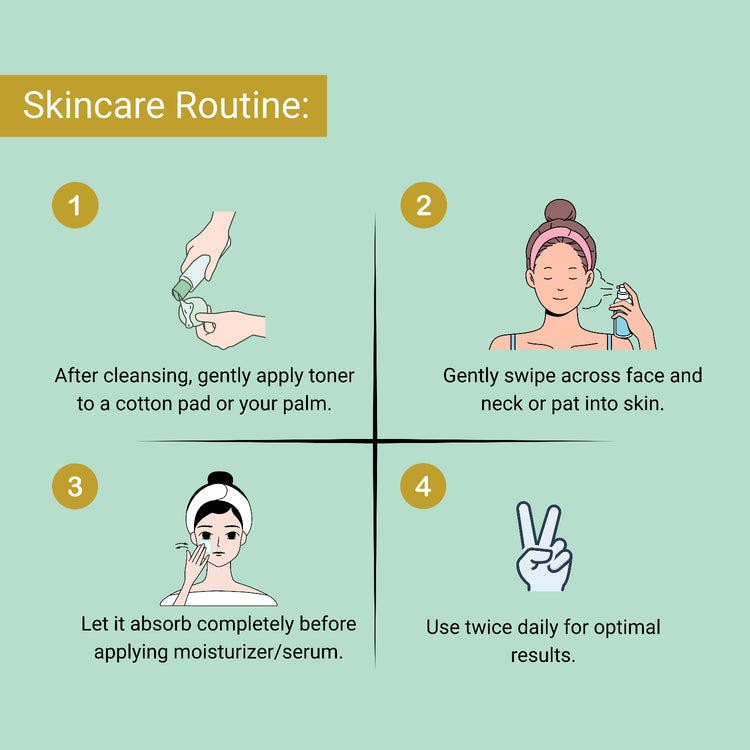
How to use a Korean toner correctly (so it actually helps)
- Apply to slightly damp skin (best for hydration)
- Use hands to pat and press, don’t rub
- Start with one layer
- Add a second layer only if you still feel tight
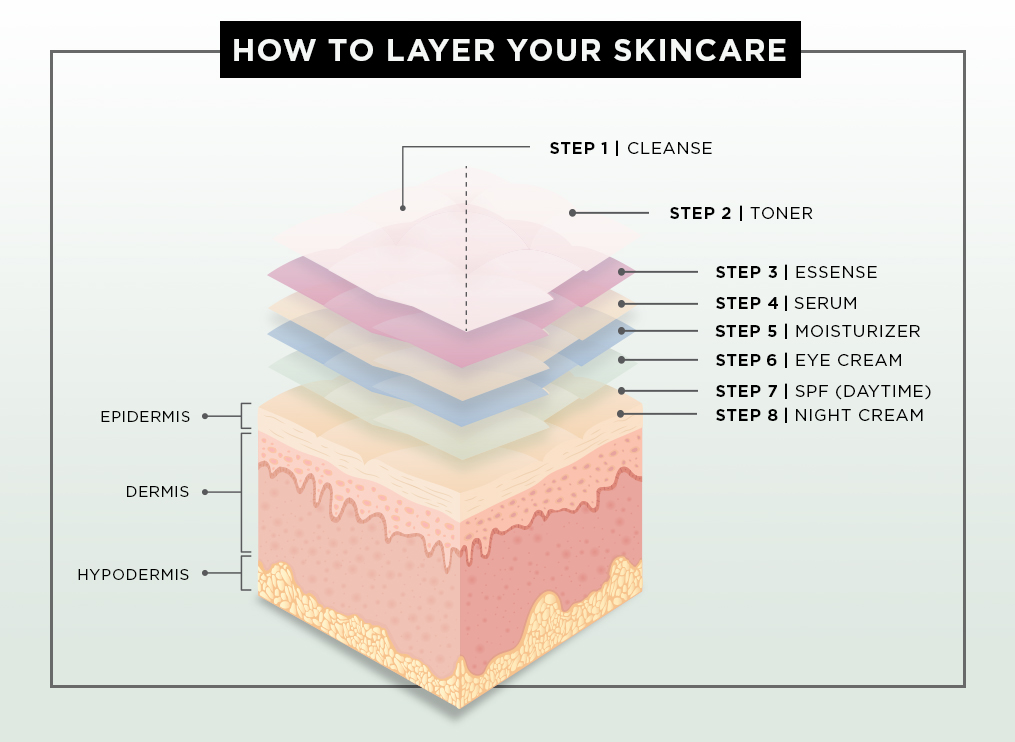
Korean toners are not “mandatory,” but they’re not pointless either.
- If your skin is dry, dehydrated, sensitive, or you’re using actives: toner often helps.
- If your skin is already comfortable and you want simplicity: you can skip it.
The most K-Beauty answer is this: use what your skin responds to, not what a routine checklist says.
 K Beauty Start
Leave a comment