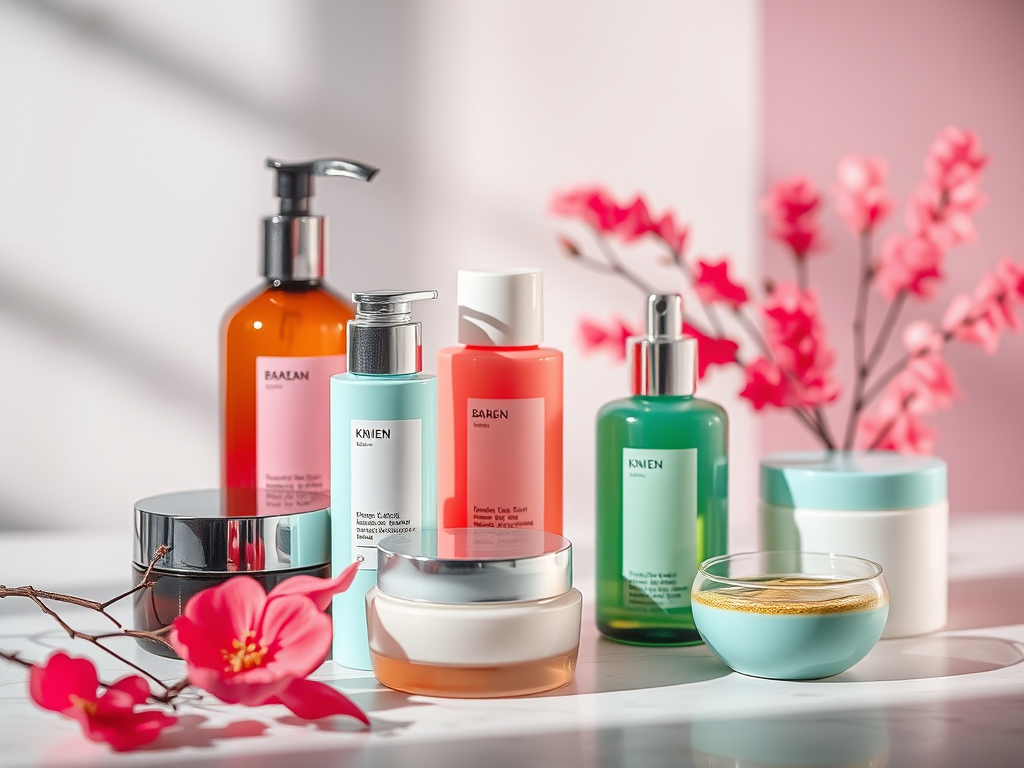
Korean skincare didn’t go global just because it’s “cute packaging” or a viral trend. It spread because it solved real problems: harsh products, uncomfortable sunscreen, confusing routines, and unrealistic promises.
K-Beauty introduced a different approach; hydration-first, barrier-first, prevention-first; and backed it with fast innovation and strong digital distribution.
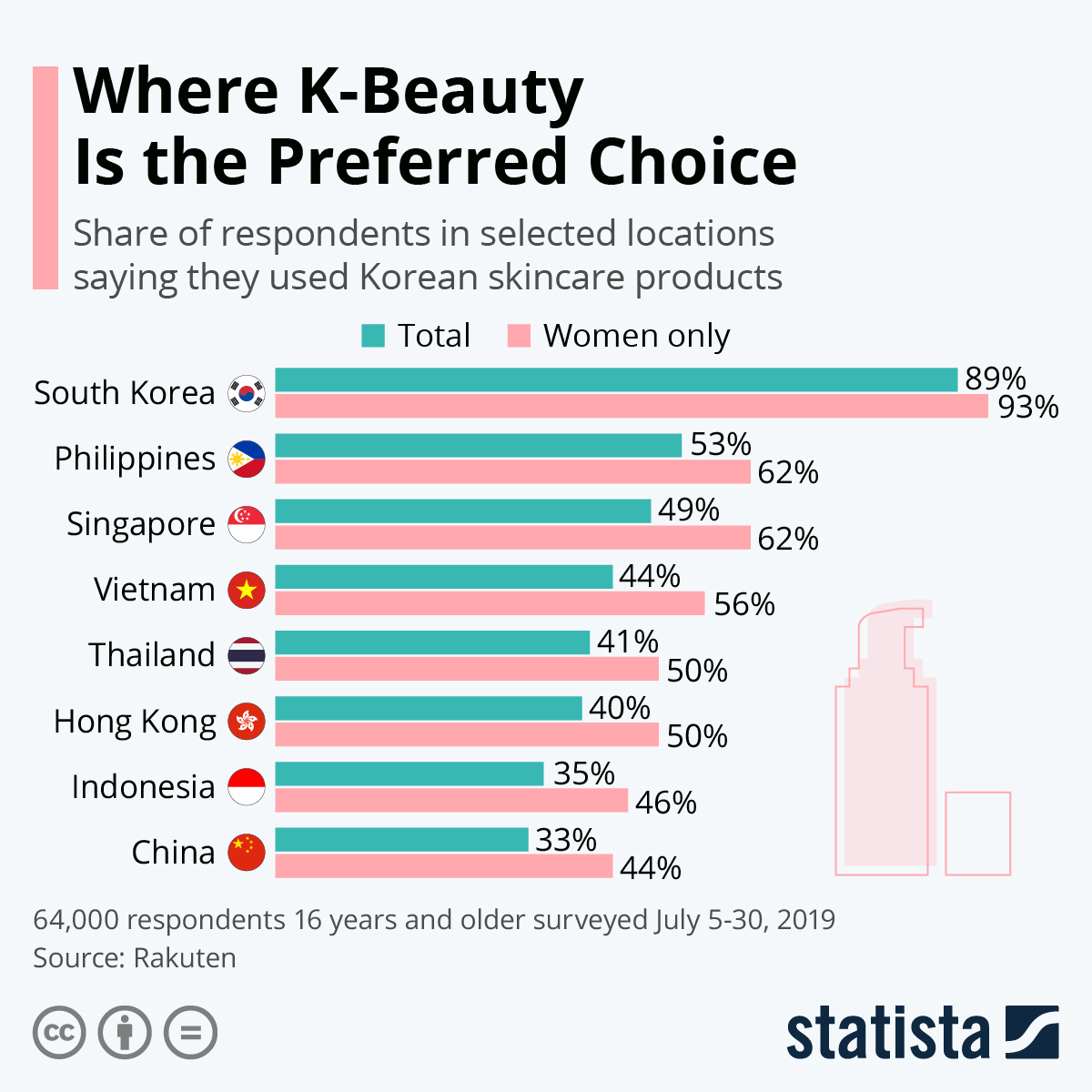
Here’s why it became so popular worldwide (in plain beginner terms).
1) The philosophy feels more sustainable
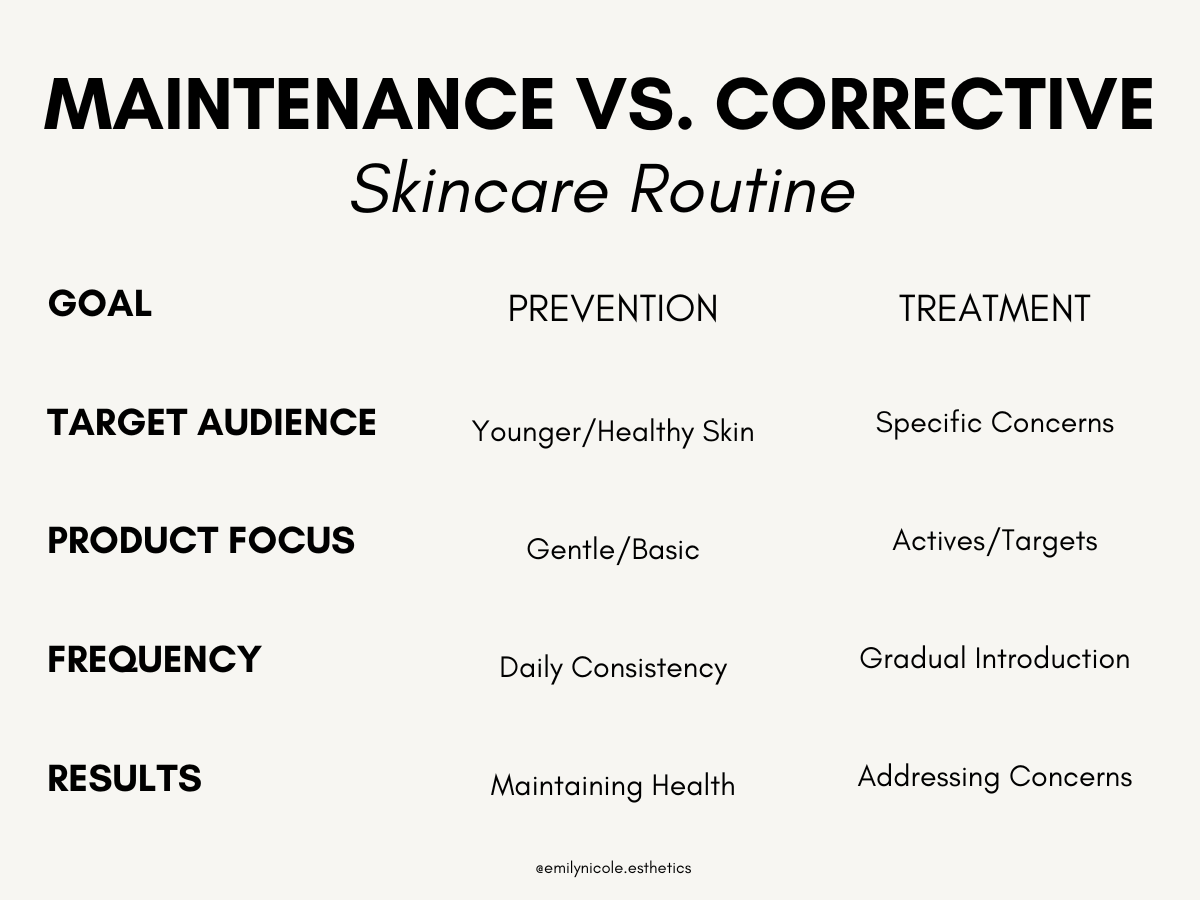
A lot of people were tired of “quick fixes” that left skin irritated.
K-Beauty tends to emphasize:
- gentle consistency
- long-term maintenance
- fewer harsh reactions
- prevention (especially sunscreen)
That mindset matches the global shift toward wellness and self-care.

2) Hydration and layering changed how routines feel
K-Beauty popularized the idea that hydration isn’t just moisturizer—it’s layers:
- toner → essence → serum → moisturizer
This layering can make routines more customizable. Instead of one heavy product, you can adjust based on your skin and season.
It also made “glow” feel achievable without heavy makeup.


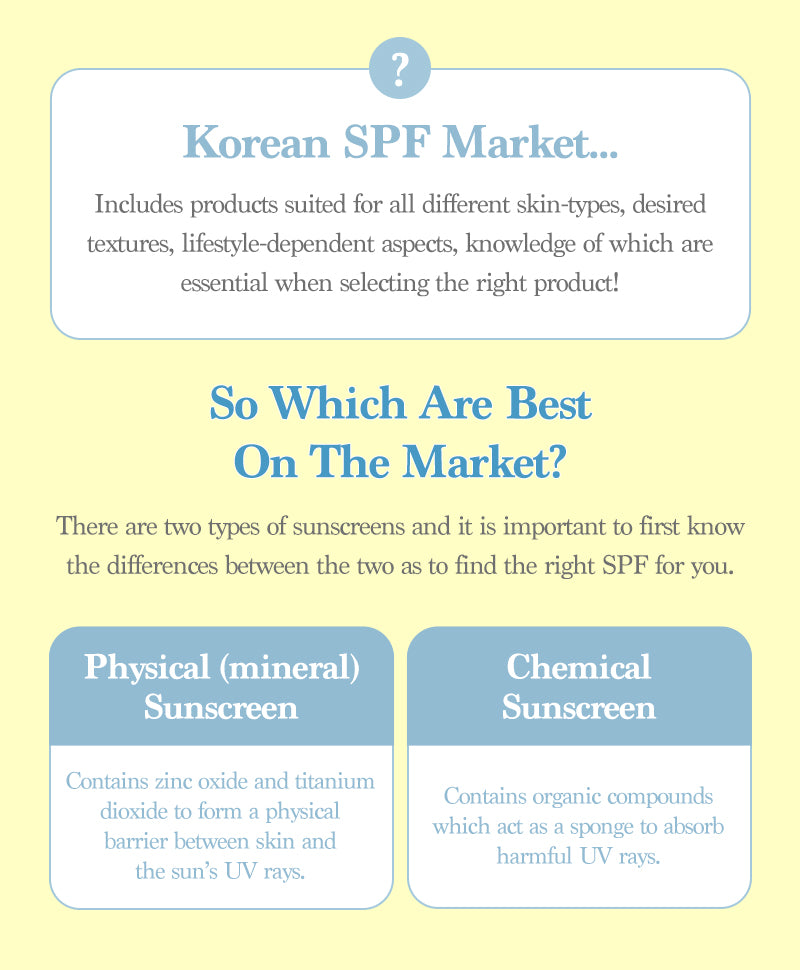
3) Korean sunscreens removed the biggest barrier to daily SPF
For many people, Western sunscreen felt:
- greasy
- heavy
- chalky
- hard to wear daily
Korean sunscreens became famous because many formulas feel lighter and layer better under makeup—so people actually use them.
That single change (daily sunscreen adherence) can visibly improve skin long-term.
4) Innovation moves fast in K-Beauty
K-Beauty is known for:
- new textures (gel-creams, watery essences)
- new formats (sheet masks, sleeping masks, cushions)
- fast product cycles and trend response
Even if you don’t buy Korean brands, many global brands now copy the same formats—because consumers started expecting them.

5) It’s accessible: good products at many price points
K-Beauty became “mainstream” because it’s not only luxury.
There are:
- affordable everyday brands
- mid-range favorites
- premium heritage brands
That range lets beginners experiment without spending luxury-level budgets.

6) Social media + e-commerce made it global fast
K-Beauty grew in the perfect era:
- YouTube routines
- TikTok product virality
- Reddit communities
- online retailers shipping worldwide
People could see textures, routines, and reviews instantly—then buy products directly online.
7) The “Korean Wave” made people curious (but results kept them)
K-pop and K-dramas created curiosity: people wanted to know how idols look so fresh.
But curiosity alone doesn’t create long-term demand.
What kept K-Beauty growing is that many products felt:
- enjoyable to use
- comfortable daily
- effective over time

Korean skincare became popular worldwide because it didn’t just sell products—it introduced a system:
- gentle consistency
- hydration-first layering
- barrier care
- sunscreen as a daily habit
- innovation that feels practical, not just trendy
That combination made K-Beauty easy to adopt, easy to enjoy, and (for many people) easier to stick with long-term.
 K Beauty Start
Leave a comment