Over-exfoliation is one of the fastest ways to make skin look worse: redness, burning, tightness, flaking, and breakouts that feel “random.” The goal is no longer glow; it’s barrier repair.
K-Beauty is ideal for this because it’s built around gentle hydration, barrier support, and patience. This guide gives you a simple recovery plan you can follow immediately.


How to know if you over-exfoliated
Common signs:
- stinging or burning when you apply products
- persistent redness
- tight, shiny, “raw” feeling skin
- new breakouts in unusual areas
- flaking + sensitivity at the same time
If your skin suddenly reacts to products that used to be fine, assume the barrier is stressed.

What’s actually damaged: the skin barrier
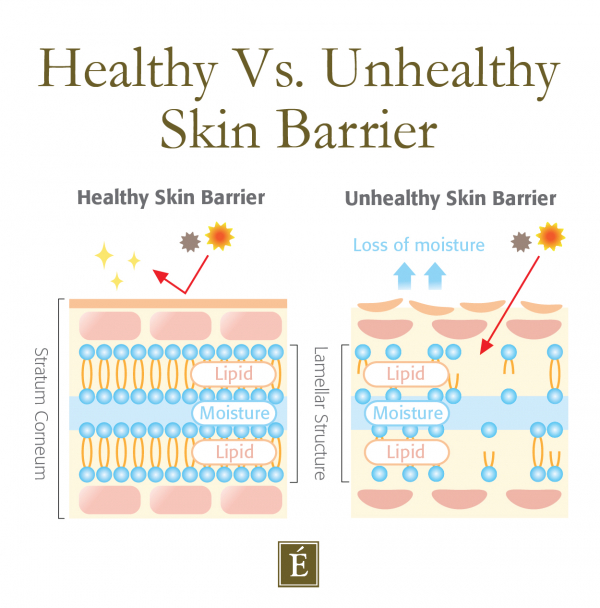
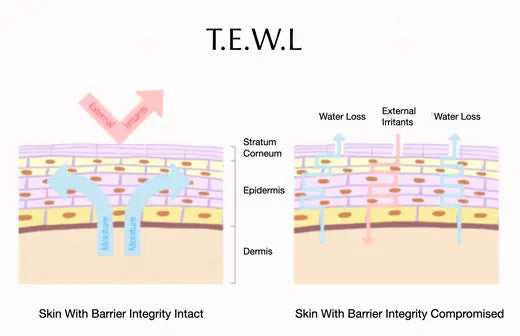
Over-exfoliation disrupts the outer protective layer that keeps moisture in and irritants out.
When the barrier is compromised:
- water loss increases (TEWL)
- inflammation increases
- skin becomes reactive and unpredictable
Your recovery routine should focus on calm + hydration + sealing.

The golden rule: stop all actives first
For the next 7–14 days, pause:
- AHAs/BHAs/PHAs
- retinol/retinoids
- vitamin C (especially low-pH)
- benzoyl peroxide
- scrubs, brushes, peeling gels
- fragranced/essential oil-heavy products
If you keep “treating,” the barrier can’t rebuild.
The gentle K-Beauty recovery routine (simple and effective)
Morning (keep it minimal)
- Water rinse or very gentle cleanser
- Hydrating toner (optional)
- Barrier moisturizer
- Sunscreen
If sunscreen stings, try a gentler formula (often mineral can feel calmer for some people).

Night (the real repair happens here)
- Cleanser (double cleanse only if you wore heavy sunscreen/makeup)
- Hydrating toner (1–2 layers, pat—don’t rub)
- Barrier moisturizer (slightly thicker layer)
- Optional: thin occlusive layer on the driest zones only (not always necessary)

What ingredients help the most during recovery?
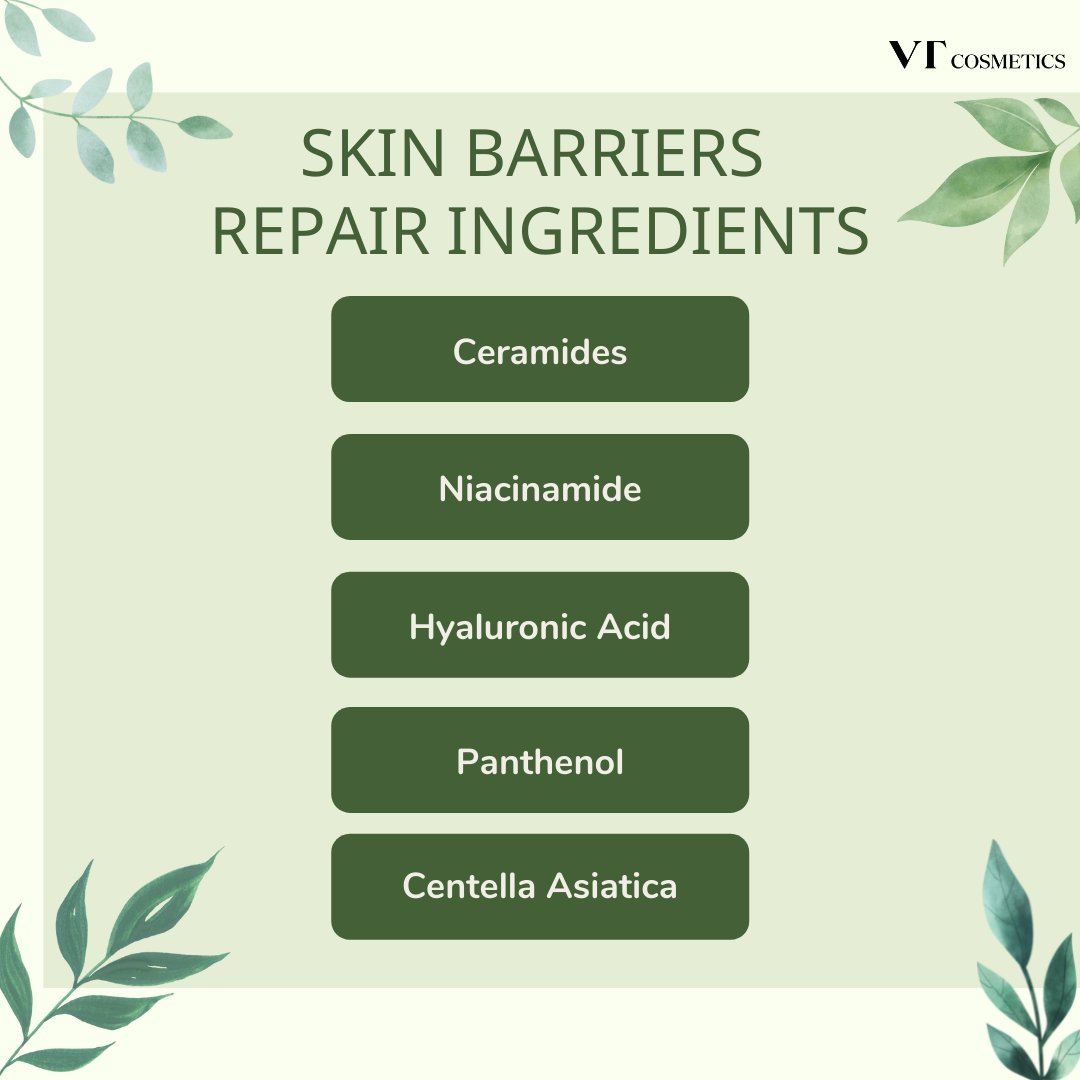
Look for simple, barrier-focused support:
- ceramides + cholesterol + fatty acids (ideal for barrier rebuilding)
- panthenol (B5) (comfort + support)
- centella asiatica (cica) (calming)
- beta-glucan (hydration + soothing)
- glycerin (hydration that’s usually well tolerated)
Avoid “fancy” actives until your skin is stable again.

How long does barrier repair take?
It depends on severity, but a practical expectation:
- mild over-exfoliation: 1–2 weeks
- moderate irritation: 2–4 weeks
- severe or repeated damage: 4–6+ weeks
Healing is not linear. Some days look better, then worse. That’s normal.

When can you reintroduce exfoliation again?
Only when:
- no stinging or burning
- redness is minimal
- skin feels stable after cleansing
- flaking is gone or mild and improving
Reintroduce one active at a time, at low frequency:
- start 1x/week
- increase slowly (never daily at first)
- do not stack acids + retinol on the same night


Common mistakes that slow recovery
- “testing” actives every few days
- using hot water or long hot showers
- scrubbing flakes off
- switching products constantly
- skipping sunscreen (UV worsens inflammation + pigmentation risk)
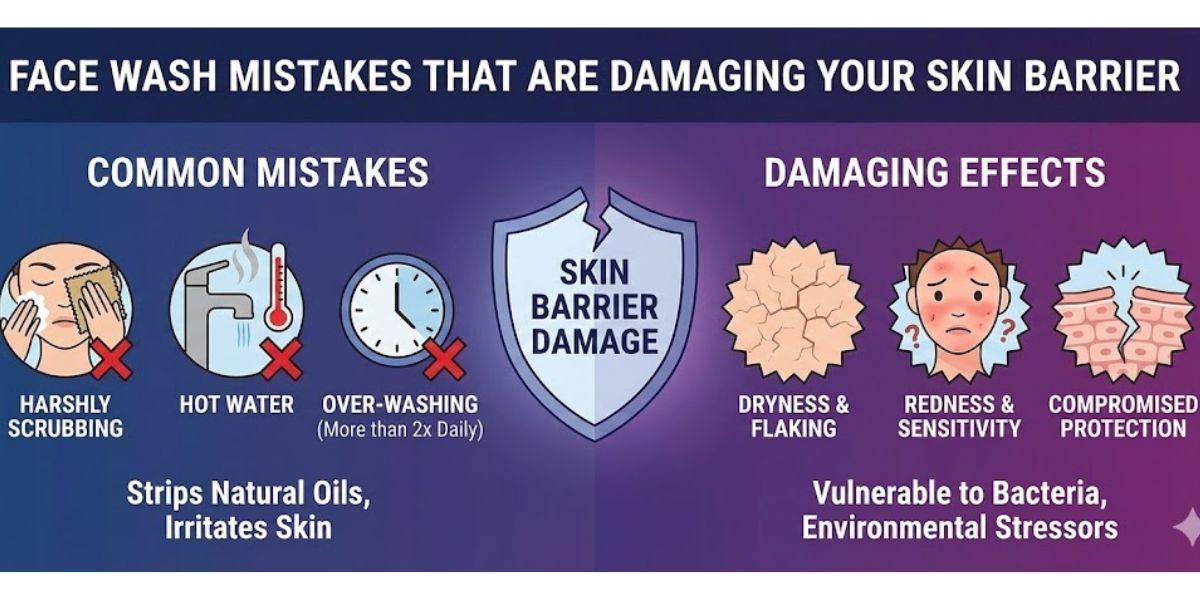

Over-exfoliated skin doesn’t need more treatment—it needs repair.
A K-Beauty recovery plan is simple:
- stop actives
- cleanse gently
- hydrate in light layers
- seal with barrier moisturizer
- protect with sunscreen
If you follow that consistently for a few weeks, most skin barriers recover and your skin becomes calmer, smoother, and more resilient again.
 K Beauty Start
Leave a comment