
Yes! Korean skincare can work very well for non-Asian skin. But not because “K-Beauty is magical.” It works when you choose products based on your skin type, climate, and sensitivities, not on ethnicity.
This guide explains what’s universal about K-Beauty, what needs adjustment (especially for deeper skin tones and sensitive skin), and how to start safely.

Is skin biology basically the same across ethnicities?
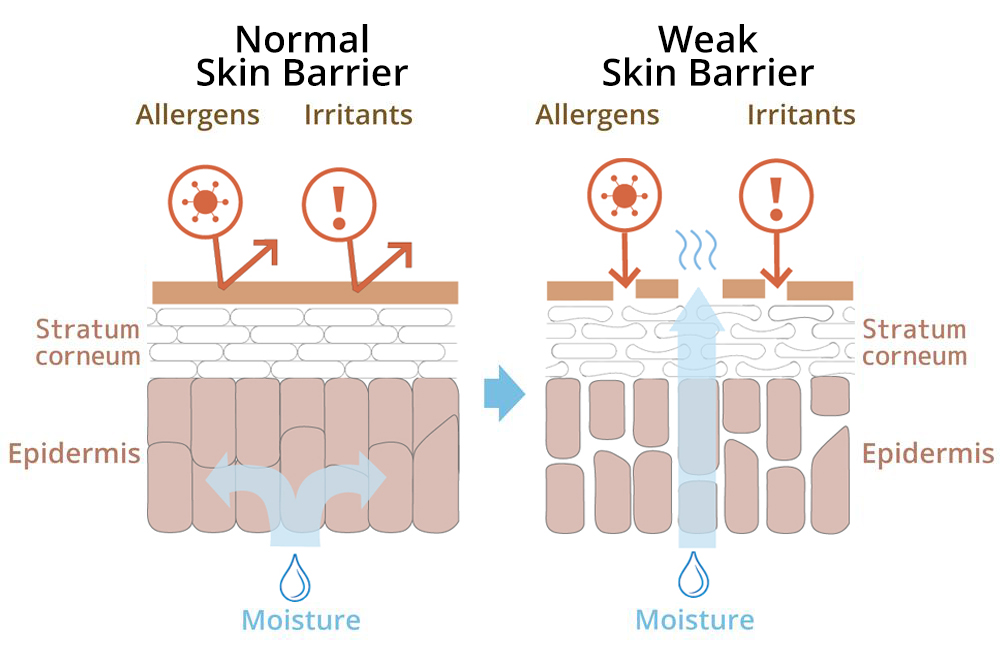
Yes, the basic structure is the same: barrier, oil glands, collagen, pigmentation cells.
Differences are often tendencies, not rules; like how easily skin tans, how common hyperpigmentation is, or how visible redness looks.
So the right question isn’t “Asian vs non-Asian.”
It’s “dry vs oily, sensitive vs resilient, pigment-prone vs not.”


What parts of K-Beauty are universal?
These are beneficial for almost everyone:
1) Barrier-first hydration
Hydration + barrier support helps most skin types feel calmer and look smoother.
2) Gentle consistency
K-Beauty usually avoids harsh “strip and fix” cycles and leans toward steady routines.
3) Daily sunscreen culture
UV affects everyone. Even if you don’t burn easily, UV can still trigger pigmentation and uneven tone.

What should non-Asian skin users be careful about?
1) Exfoliation and pigmentation risk
If your skin is prone to dark marks (PIH), aggressive acids can backfire and leave longer-lasting discoloration.
Start with:
- lower frequency (1–2x/week)
- gentler acids (PHA or low % AHA/BHA)
- sunscreen daily


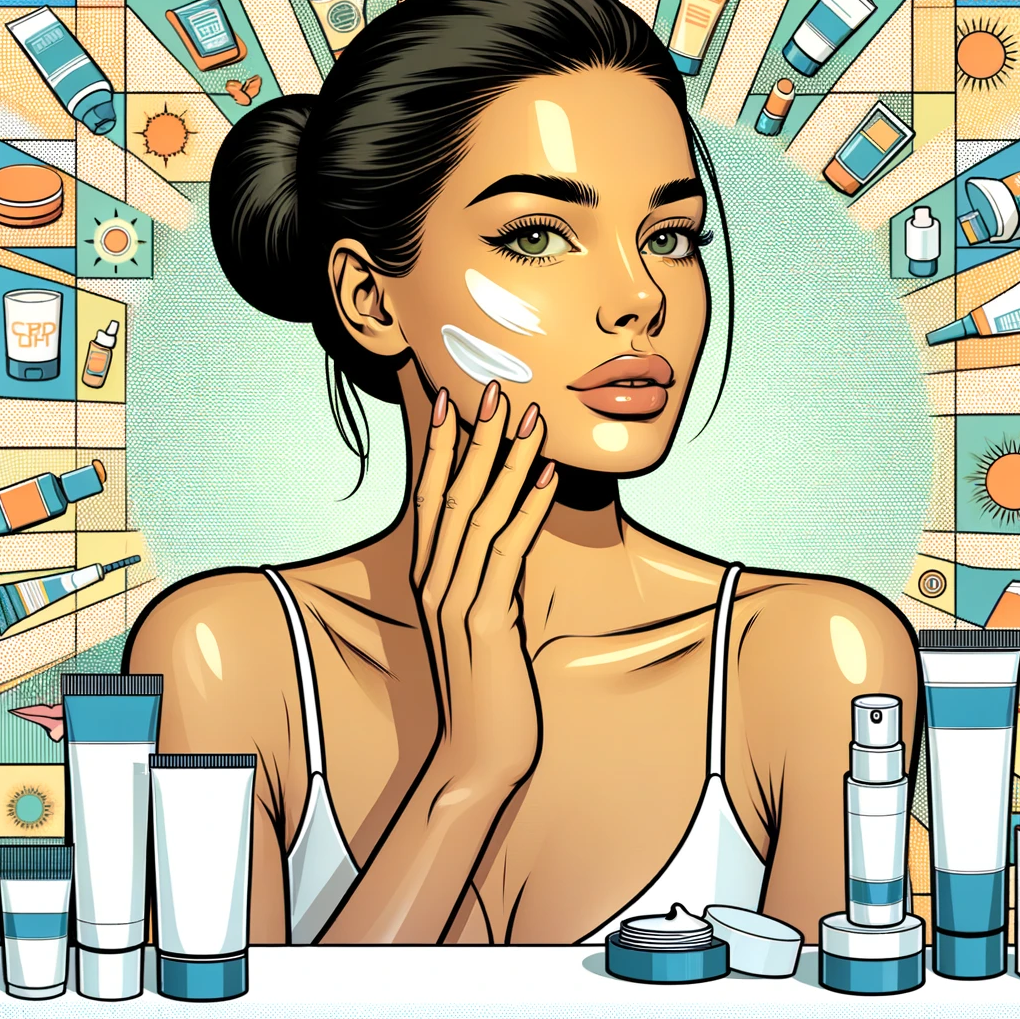
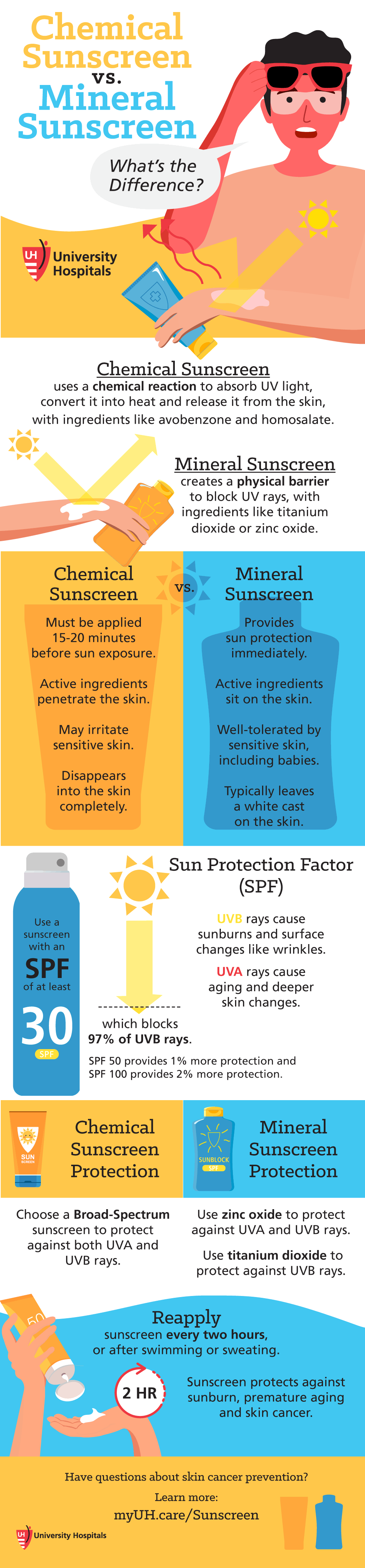
2) Sunscreen “white cast”
Some mineral sunscreens can leave a gray/white cast on medium to deep skin tones.
If this happens:
- try chemical or hybrid formulas
- look for “no white cast” reviews
- test in daylight before committing
3) Fragrance and essential oils
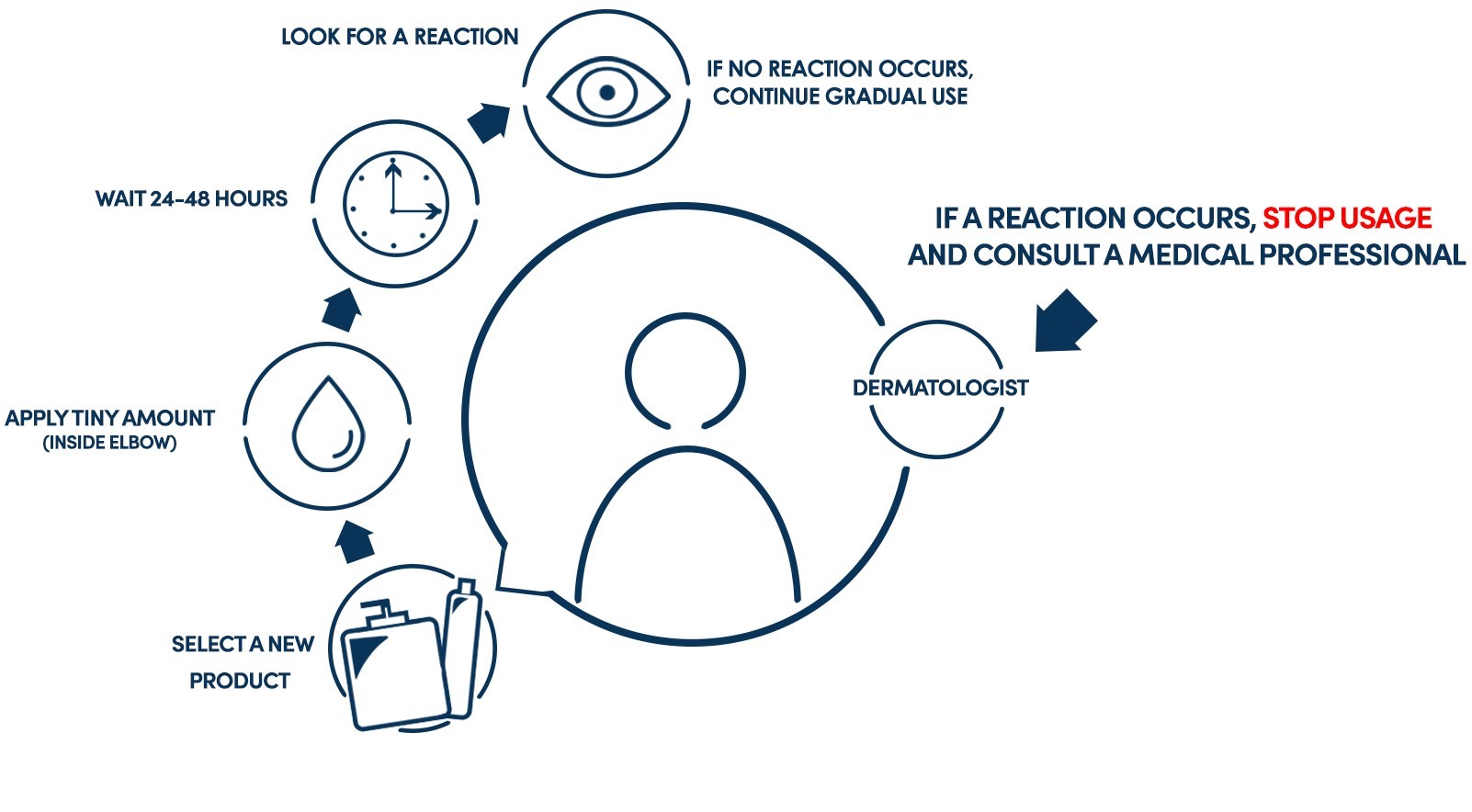
Some K-Beauty products include fragrance or botanical oils. That can be fine, but sensitive skin may react.
If you burn or flush easily:
- choose fragrance-free when possible
- patch test new products
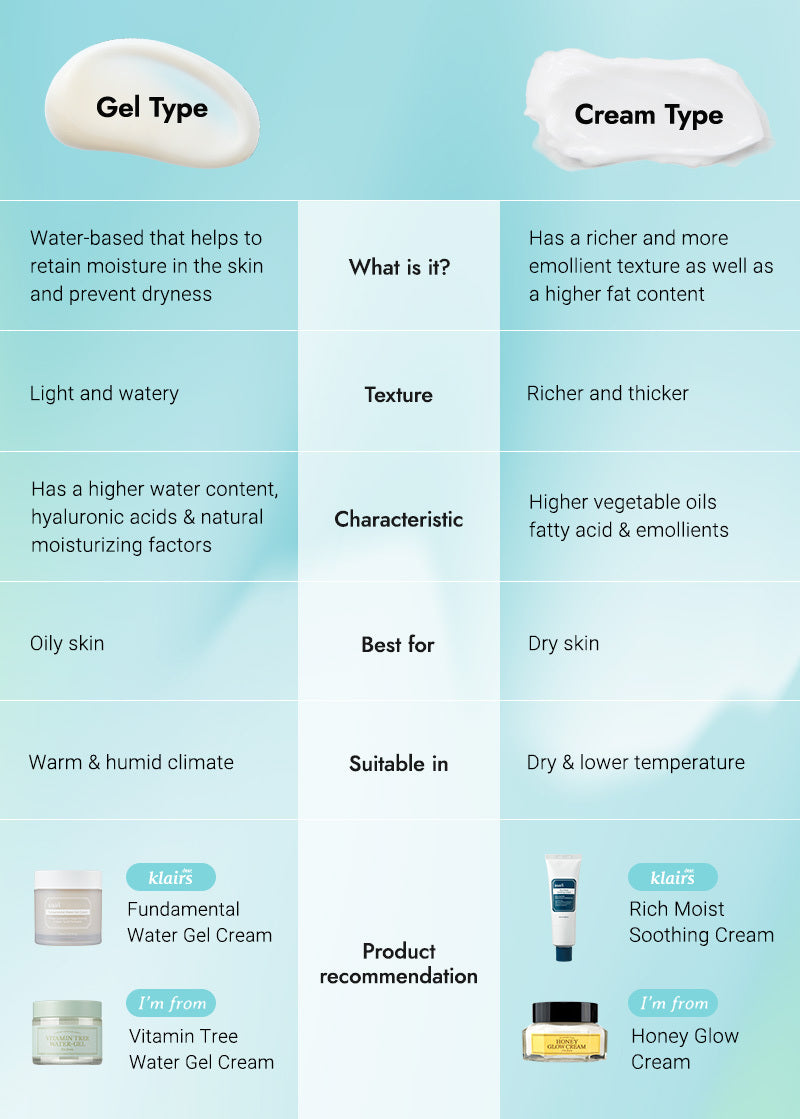
4) Rich layering can clog pores (for acne-prone skin)
Some K-Beauty routines are very hydrating. If you’re oily/acne-prone, too many layers can feel heavy.
In that case:
- use fewer steps
- choose gel-cream textures
- avoid heavy sleeping packs until stable

Ingredients that usually work well across skin tones
These are common K-Beauty staples that are broadly useful:
- Niacinamide (tone + barrier support)
- Centella (Cica) (calming)
- Ceramides (barrier repair)
- Glycerin / hyaluronic acid (hydration)
- Green tea (soothing antioxidant)
You don’t need all of them—choose based on your skin’s needs.
How to start K-Beauty safely (non-Asian skin included)
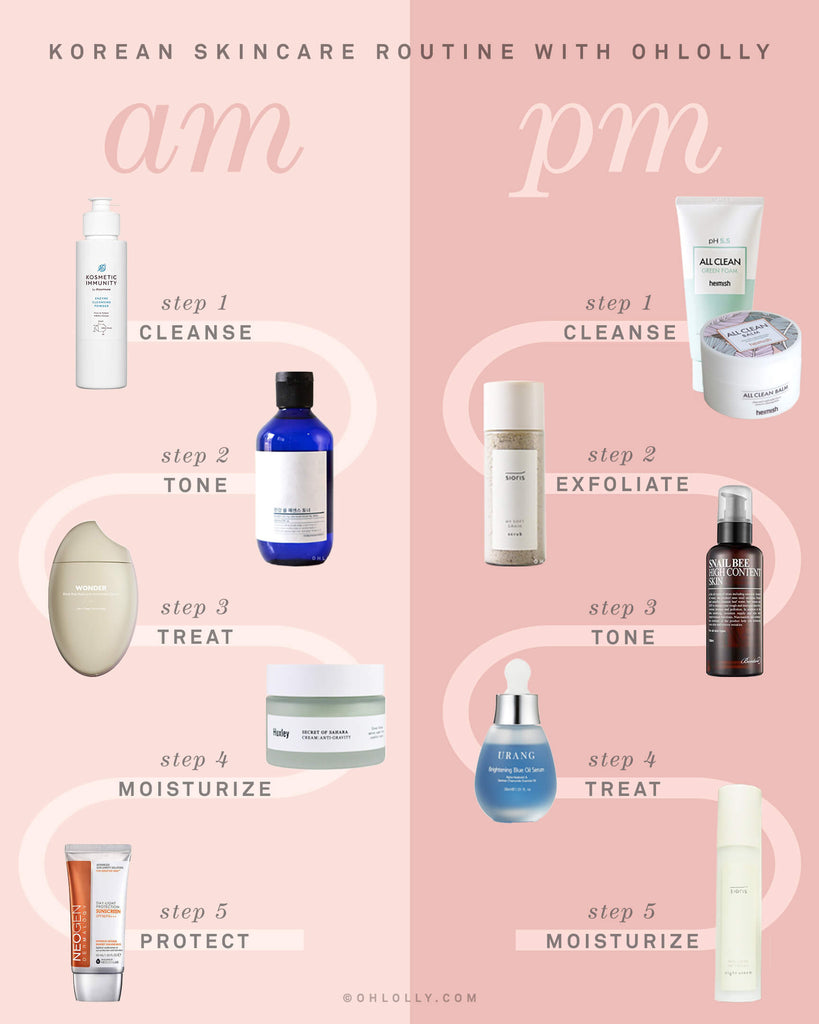
A simple, low-risk starter routine:
Morning
- Gentle cleanse (or water rinse)
- Moisturizer (light)
- Sunscreen
Night
- Cleanse
- Moisturizer
Then add one product at a time (toner, serum, etc.) every 1–2 weeks.
K-Beauty is suitable for non-Asian skin because its strongest ideas—hydration, barrier care, and sunscreen—are universal.
The key is not your ethnicity. It’s:
- your skin type
- your sensitivity level
- your pigmentation tendency
- your climate and lifestyle
If you choose products based on those factors and introduce them slowly, K-Beauty can work extremely well for almost anyone.
 K Beauty Start
Leave a comment