
Korean beauty standards are visually powerful: glass skin, poreless texture, bright tone, and a “perfect” glow.
But healthy skin is not the same thing as “perfect-looking skin.”
This guide separates cultural aesthetics from dermatology basics; so you can enjoy K-Beauty without chasing unrealistic standards.


What are Korean beauty standards, in simple terms?
Common K-beauty ideals include:
- very even tone (often “brightening” language)
- dewy, luminous finish (mul-gwang / glass skin)
- minimal visible pores and texture
- youthful look (firmness, bounce)
These are aesthetics—not medical definitions of health.

Does “glass skin” automatically mean healthy skin?
Not always.
Glass skin can be supported by healthy habits (hydration, sunscreen).
But it can also be created by:
- lighting
- makeup and filters
- heavy layering for temporary shine
Healthy skin can still have:
- visible pores
- mild redness
- occasional breakouts
- texture
Those can be normal.
What does dermatology say actually matters for healthy skin?
Healthy skin is mostly about function:
1) A stable skin barrier
A healthy barrier means:
- less stinging and irritation
- better moisture retention
- more resilience to weather and stress


2) Sun protection
UV exposure drives:
- pigmentation
- collagen breakdown
- uneven texture over time
Daily sunscreen is one of the most evidence-backed steps in skincare.

3) Gentle cleansing + appropriate moisture
Over-cleansing and over-exfoliation can damage the barrier.
A routine that keeps skin comfortable is usually more “healthy” than one that chases perfection aggressively.
Where K-beauty standards align with healthy skin
K-Beauty has real health-positive contributions:
- normalizing daily sunscreen
- emphasizing hydration and barrier care
- encouraging gentle routines over harsh stripping
- making skincare feel like daily maintenance (not emergency fixes)
These support long-term skin health.
Where beauty standards can pull you away from skin health
1) “Poreless” expectations
Pores are normal. They don’t disappear.
Trying to erase them often leads to over-exfoliation and irritation.
2) “Brightening” confusion
In K-Beauty, “brightening” usually means tone-evening and glow—not bleaching.
But culturally, lighter skin ideals can still create pressure and confusion.
3) Perfection anxiety
If skincare becomes stressful, obsessive, or financially overwhelming, it stops being self-care.

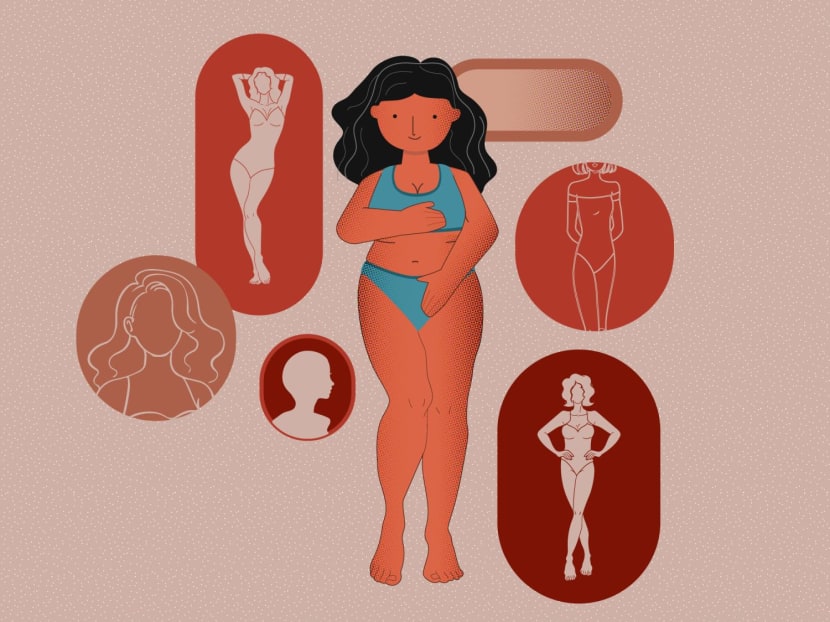
A balanced approach: enjoy K-Beauty without chasing impossible skin
Ask these questions:
“Is my skin comfortable?”
No burning, no constant tightness, no chronic flaking.
“Is my routine sustainable?”
You can repeat it without stress.
“Am I protecting my skin daily?”
Sunscreen + barrier support usually matter more than extra steps.
“Am I treating a real concern or chasing an aesthetic?”
Healthy goals: acne control, barrier repair, pigmentation prevention.
Aesthetic-only goals: “no pores,” “no texture ever,” “glow at all times.”
Korean beauty standards can inspire better habits; but healthy skin isn’t defined by perfection.
What actually matters most:
- barrier stability
- daily sun protection
- gentle consistency
- realistic expectations
If you focus on those, your skin can be healthy and look great—without turning skincare into a constant performance.
 K Beauty Start
Leave a comment