
Switching to K-Beauty can make skin feel worse before it feels better.
That doesn’t mean Korean skincare is “bad.” It usually means your skin is reacting to too much change too fast; or the routine doesn’t match your skin type and climate yet.
This guide explains the most common causes and gives a simple reset plan.

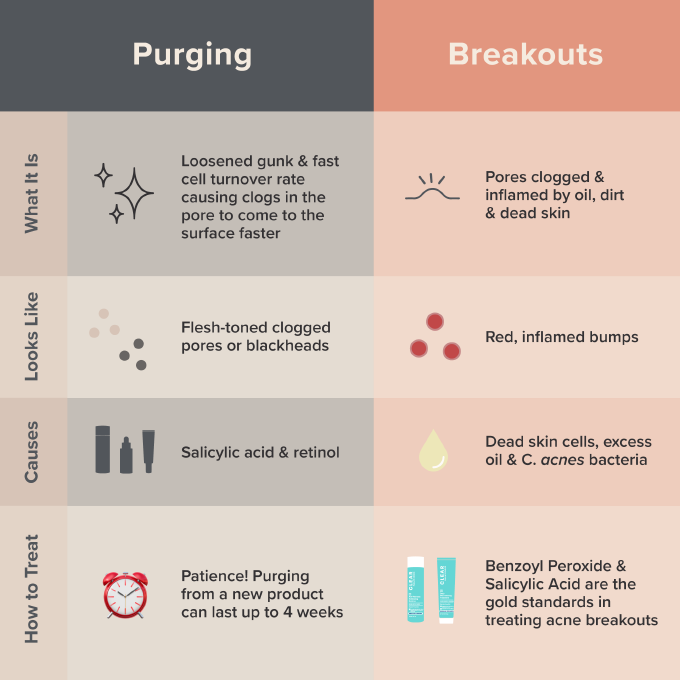

Is it purging, irritation, or a product mismatch?
Purging usually happens when you add “turnover” ingredients
Common triggers:
- AHA/BHA exfoliants
- retinoids
- strong exfoliating pads/toners
Purging usually:
- occurs where you normally break out
- starts within 1–3 weeks
- improves by ~4–8 weeks
Irritation/mismatch looks different
Red flags:
- burning/stinging with basic products
- tight, shiny “raw” skin
- rash-like bumps, itching
- breakouts in new areas
- worsening beyond 6–8 weeks
If it burns, assume irritation, not purging.

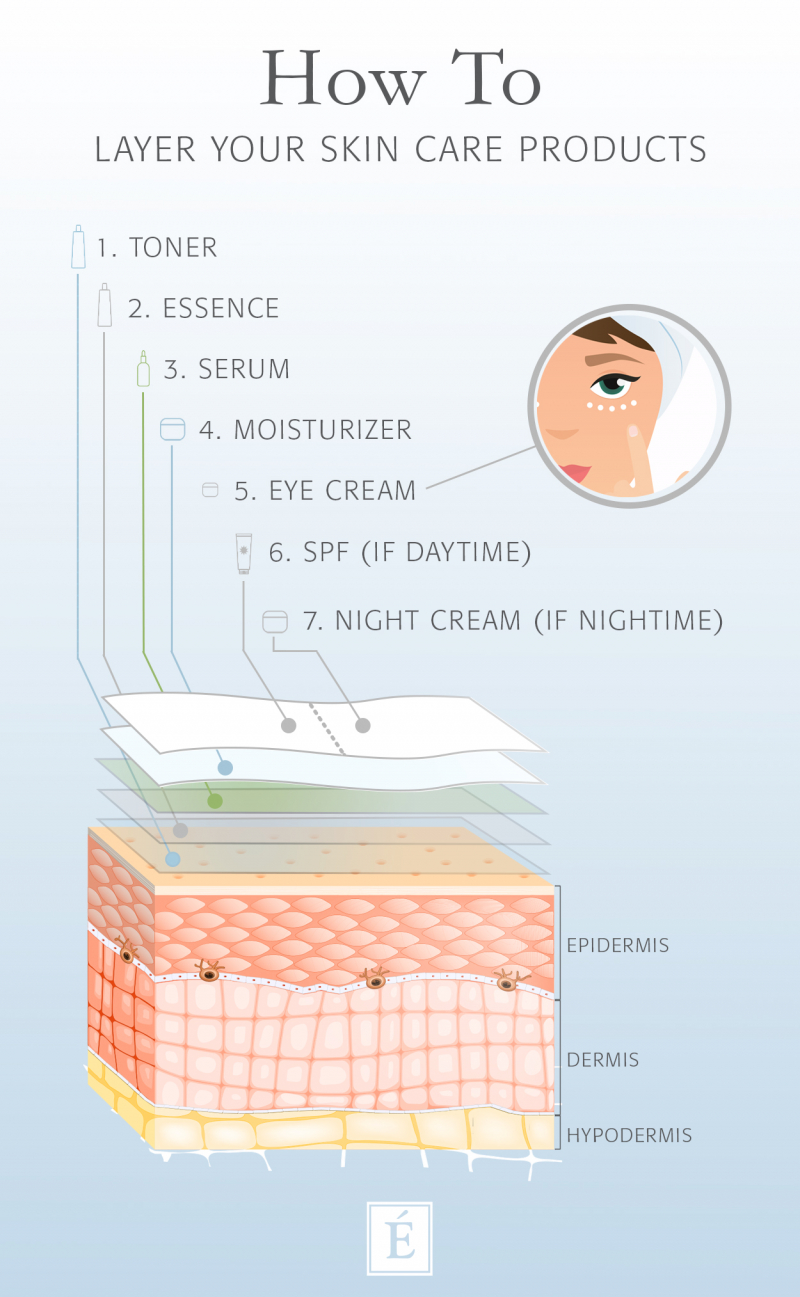
Reason 1: You introduced too many products at once
This is the most common cause.
K-Beauty routines often add multiple new things:
- toner + essence + serum + mask + new moisturizer
- sometimes plus exfoliation and double cleansing
That’s a lot of new formulas, preservatives, fragrances, and textures in one week.
Result: the skin gets overwhelmed, and you can’t identify the culprit.
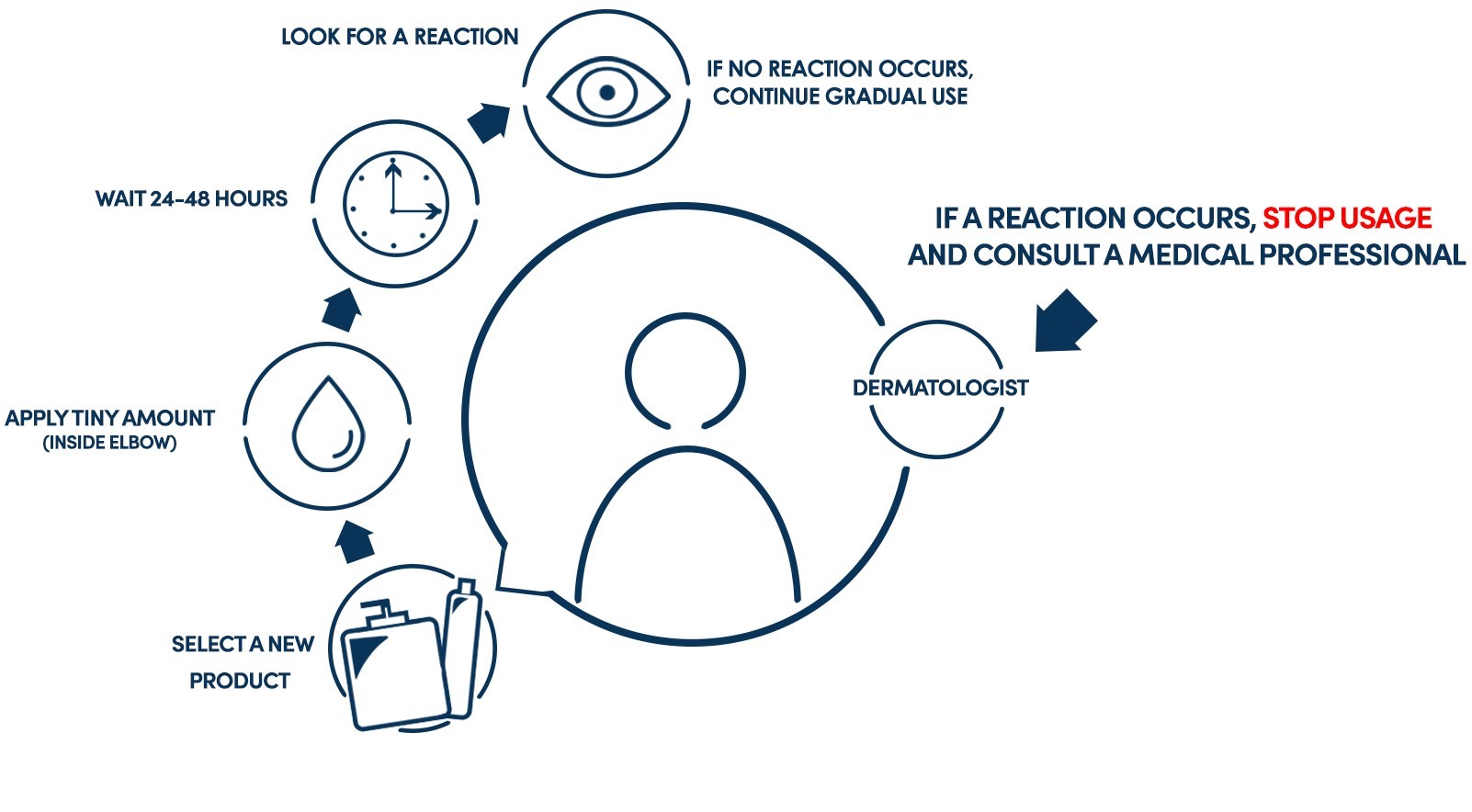
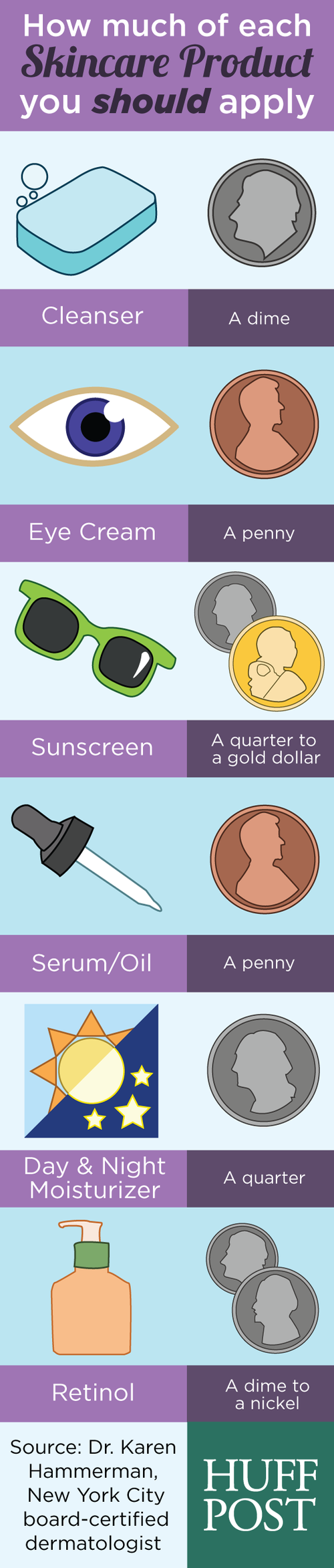
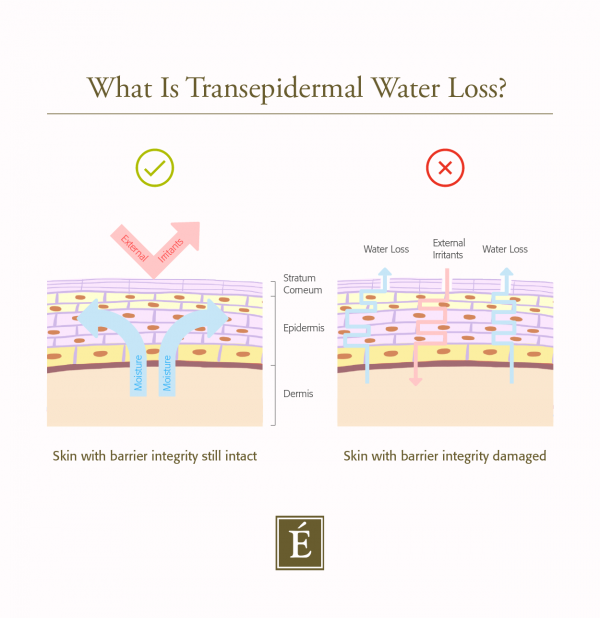
Reason 2: Your barrier got weaker
A weakened barrier can make skin feel:
- dry and oily at the same time
- reactive to products you used before
- red, tight, or itchy
Common ways this happens during a K-Beauty switch:
- double cleansing too aggressively
- adding exfoliating toners/pads too often
- using foaming cleansers that strip

Reason 3: You accidentally over-exfoliated
K-Beauty has many exfoliating formats:
- AHA/BHA toners
- peeling pads
- “pore care” liquids
- peeling gels
New users often stack them without realizing it.
Over-exfoliation can cause:
- redness + tightness
- stinging
- flaking
- breakouts from inflammation


Reason 4: Your routine became too occlusive
K-Beauty glow routines can involve rich layers:
- multiple hydrating steps
- thicker creams
- sleeping packs
If you’re acne-prone or live in humid climates, that can trap sebum and trigger congestion.
Clue: more closed comedones (tiny bumps), especially on forehead/chin.

Reason 5: Fragrance, essential oils, or ferments didn’t suit you
Some K-Beauty products contain:
- fragrance
- essential oils
- fermented ingredients
These are fine for many people, but sensitive skin can react.
If you notice itching, rashy bumps, or burning → simplify and go fragrance-free.
The 7–10 day reset plan (works for most people)
For 7–10 days, use only:
Morning
- water rinse or gentle cleanser
- moisturizer (optional)
- sunscreen
Night
- gentle cleanser
- moisturizer
No acids, no retinol, no masks, no new products.


After your skin calms, reintroduce products one at a time every 7–14 days.
When should you see a dermatologist?
Get help if you have:
- swelling, hives, severe itching
- painful cystic acne
- worsening past 8 weeks
- suspected fungal acne (tiny uniform itchy bumps)
If your skin feels worse after switching to K-Beauty, it’s usually not “K-Beauty failing.” It’s usually:
- too many changes at once
- barrier disruption
- over-exfoliation
- texture mismatch for your skin type
- sensitivity to fragrance/ferments
Reset, simplify, and rebuild slowly. That’s the fastest way to make K-Beauty work for you.
 K Beauty Start
Leave a comment