
Winter is often the most challenging season for people with combination skin. The oily T-zone becomes unpredictable, while the cheeks may suddenly feel tight, flaky, or sensitive.
Cold air, low humidity, and indoor heating all contribute to transepidermal water loss, which makes dry areas drier while sometimes triggering excess oil production in the T-zone.
Korean skincare works particularly well for this situation because it emphasizes hydration layering, barrier repair, and lightweight formulations rather than relying on a single heavy moisturizer.
Why Combination Skin Gets Worse in Winter


4
Combination skin contains two different behaviors at the same time:
- an oily T-zone (forehead, nose, chin)
- drier areas on cheeks and jawline
Winter exaggerates this imbalance because:
Low humidity pulls moisture out of the skin.
Cold temperatures weaken the skin barrier.
Indoor heating increases dehydration.
The result is a frustrating cycle where dry areas become flaky while the T-zone produces more oil.
Why Korean Skincare Works for Combination Skin
Korean skincare focuses on gradual hydration rather than heavy occlusion.
Instead of using one thick cream, the routine builds moisture through several lightweight layers.
This approach works well for combination skin because it allows:
- hydration for dry areas
- lightweight textures for oily zones
- zone-specific application when needed


4
The philosophy is simple:
hydrate first, seal later, and protect the barrier.
A Korean Winter Routine for Combination Skin
1. Oil Cleanser
The first step of double cleansing removes sunscreen, makeup, and excess sebum.
Oil cleansers dissolve oil-based impurities without stripping moisture.
Good ingredients for winter include:
- rice bran oil
- squalane
- jojoba oil
These ingredients mimic natural skin lipids and leave the skin comfortable rather than tight.
2. Gentle Water-Based Cleanser
The second cleanser removes sweat and residue.
For winter, combination skin usually benefits from:
- low-pH gel cleansers
- cream cleansers
- amino-acid cleansers
Avoid overly foaming formulas that can worsen winter dryness.
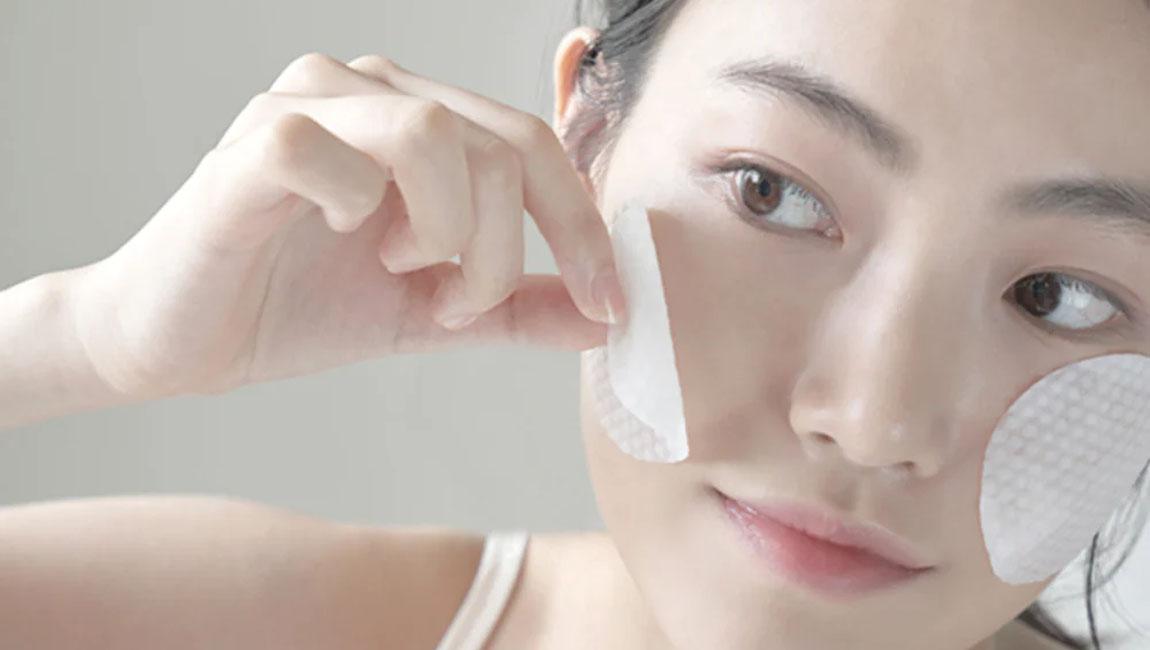
3. Gentle Exfoliation (2–3x per week)
Dead skin accumulates faster in winter because cell turnover slows.
Chemical exfoliation works best for combination skin.


4
Recommended approach:
- AHA (lactic acid) for dry areas
- BHA (salicylic acid) for the oily T-zone
Keep exfoliation gentle to avoid damaging the winter skin barrier.
4. Hydrating Toner
Korean toners are designed to hydrate rather than strip oil.
Key ingredients for winter:
- hyaluronic acid
- panthenol
- beta-glucan
- centella asiatica
Some people use the “seven skin method”, applying multiple thin layers of toner to build hydration.
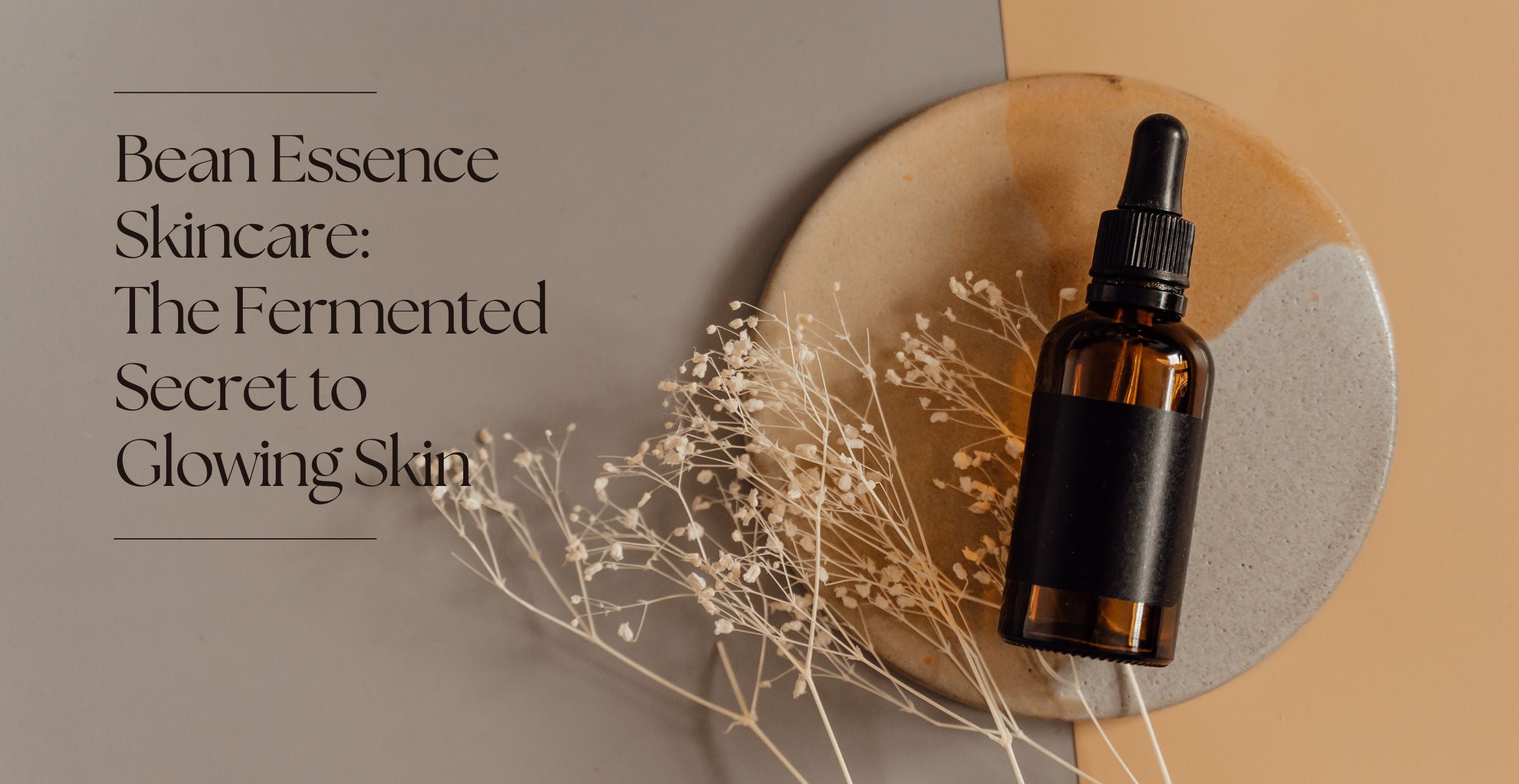
5. Essence
Essences deliver lightweight active ingredients deep into the skin.


4
Great ingredients for combination skin include:
- fermented extracts
- niacinamide
- snail mucin
These ingredients hydrate dry areas while helping regulate oil in the T-zone.
6. Serum or Ampoule
Serums provide targeted treatment.
Helpful ingredients in winter include:
- hyaluronic acid for hydration
- ceramides for barrier repair
- niacinamide for oil balance
- peptides for skin resilience
Combination skin may benefit from applying lighter layers on the T-zone and richer layers on dry areas.
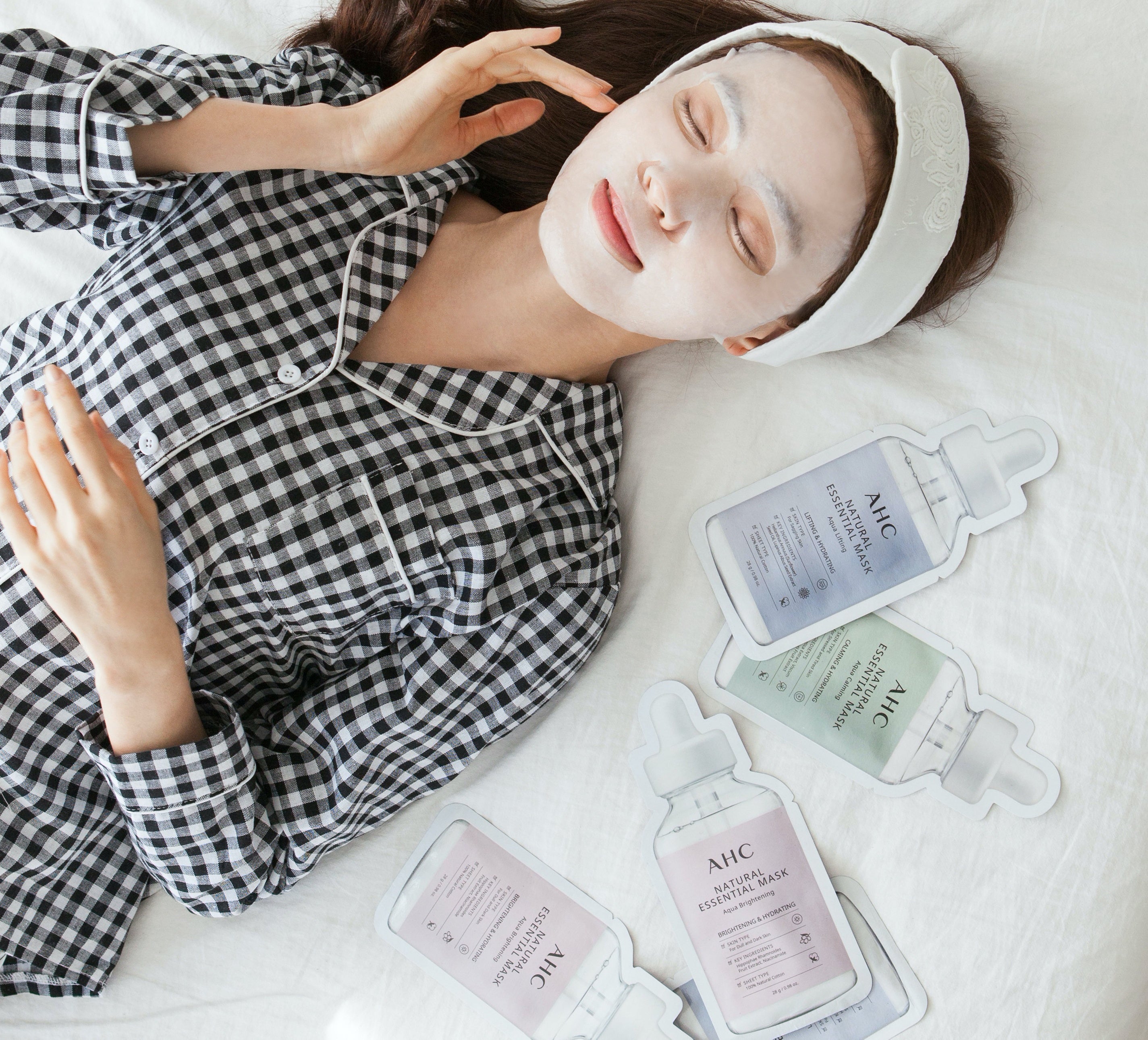
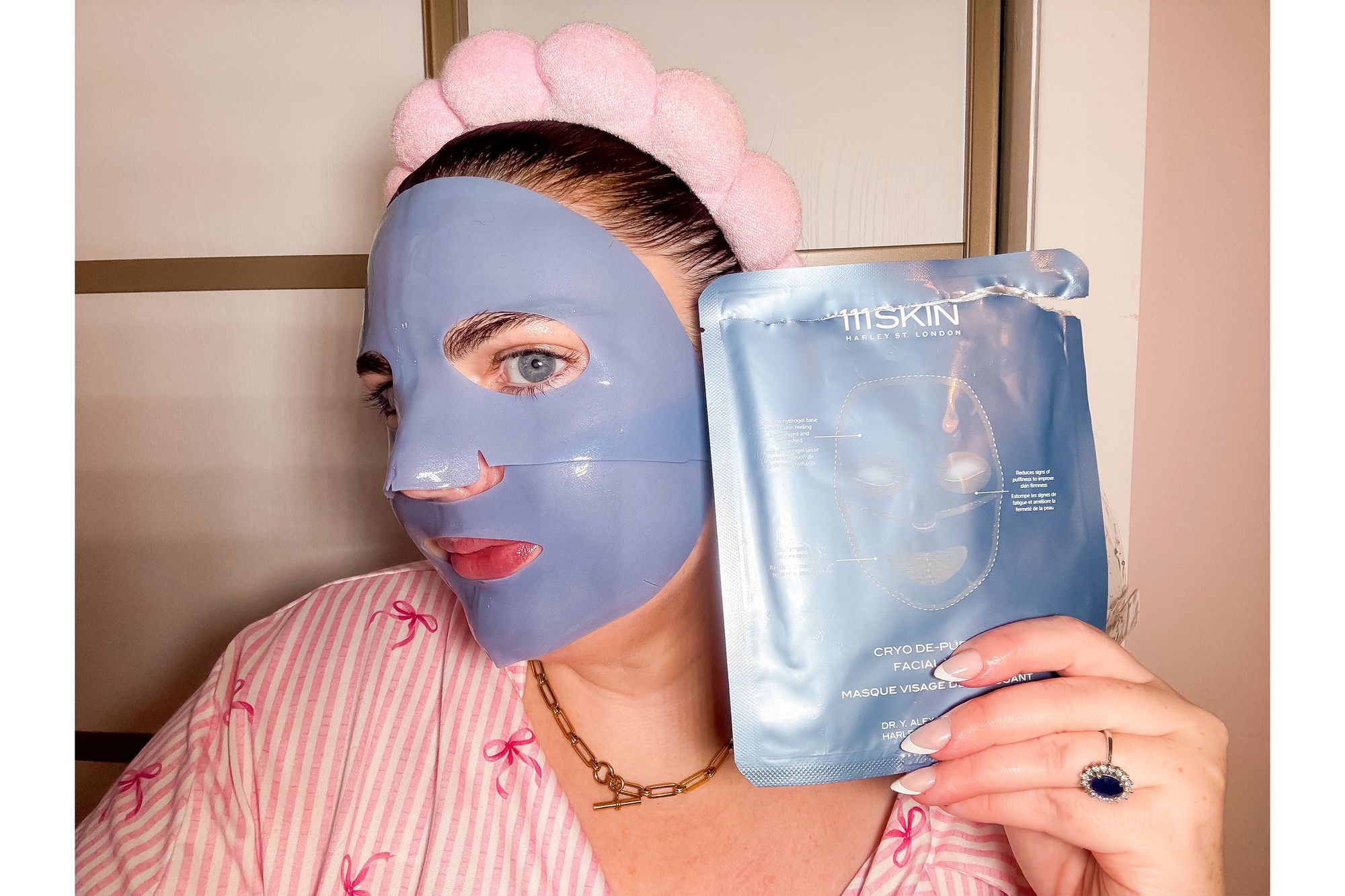
7. Sheet Masks (2–3x per week)

4
Sheet masks are one of the most recognizable parts of Korean skincare.
In winter they help provide intensive hydration and soothing care.
Look for masks with:
- honey
- propolis
- aloe
- hyaluronic acid
8. Moisturizer
The key challenge is moisturizing dry areas without making the T-zone greasy.
A useful strategy is zone moisturizing:
- lightweight gel cream across the face
- richer cream only on dry areas
Ingredients that work well include:
- ceramides
- squalane
- shea butter
- centella
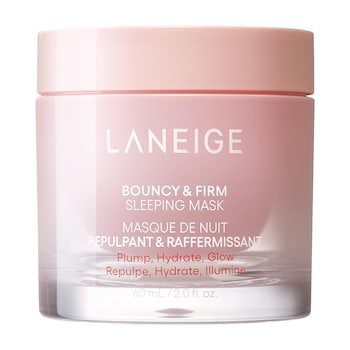
9. Sleeping Mask (Night Routine)


4
Sleeping masks provide overnight hydration and barrier support.
They are especially helpful during the coldest months.
Apply them more generously on dry areas and lightly on the T-zone.
10. Sunscreen (Morning Routine)
Even in winter, UV radiation still damages the skin.
Snow and bright skies can reflect UV rays and increase exposure.
Korean sunscreens are popular because they offer:
- lightweight textures
- high protection (SPF 50+ PA++++)
- comfortable daily wear
Key Korean Ingredients for Combination Skin in Winter
Some ingredients appear repeatedly in Korean skincare because they help maintain skin balance.
Hyaluronic Acid
Powerful humectant that attracts moisture.
Ceramides
Strengthen the skin barrier and reduce moisture loss.
Centella Asiatica
Soothes inflammation and repairs the barrier.
Niacinamide
Balances oil production while improving hydration.
Propolis and Honey
Provide gentle hydration and antimicrobial benefits.
Snail Mucin
Supports skin repair and long-lasting hydration.
Green Tea
Antioxidant that helps control excess oil and calm irritation.
Lifestyle Tips That Help Winter Skin
Skincare alone is not always enough.
Small lifestyle changes can make a noticeable difference.
- use a humidifier indoors
- drink adequate water
- avoid very hot showers
- eat omega-3 rich foods
- protect skin from harsh wind
These habits support the skin barrier from the inside out.
Combination skin can be difficult to manage during winter because it contains both oily and dry characteristics.
Korean skincare offers a balanced solution through:
- layered hydration
- gentle formulations
- barrier repair
- ingredient innovation
Rather than fighting oil or dryness separately, this approach supports the overall health of the skin, allowing it to remain balanced even during the harshest winter conditions.
With consistency and thoughtful product choices, combination skin can remain smooth, comfortable, and radiant throughout the cold season.
Related Articles
- Hydrating Toner vs Exfoliating Toner: What’s the Difference
- Essence vs Serum: Which Comes First
- Sleeping Pack vs Night Cream
- Korean Skincare for Skin That Burns Easily
 K Beauty Start
Leave a comment