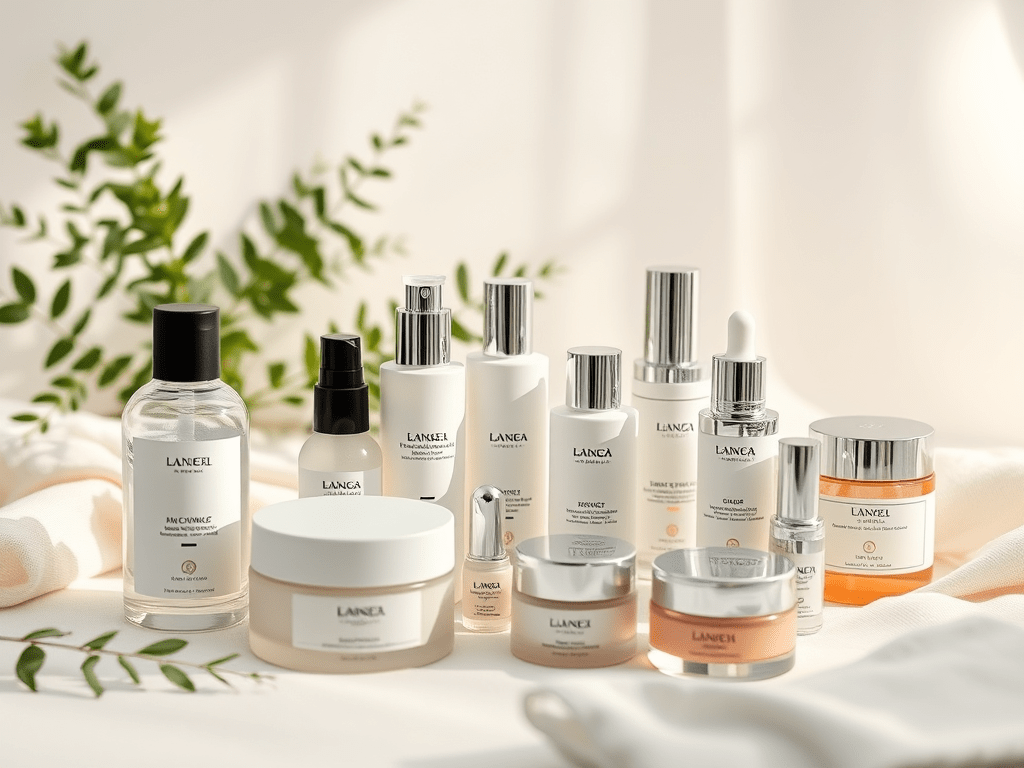
The 10-step Korean skincare routine is probably the most famous skincare concept in the world.
But here’s the reality:
👉 Almost nobody actually follows all 10 steps every day.
And more importantly:
👉 You don’t need to.
This routine became popular because it looks structured, effective, and aspirational. But the real Korean skincare philosophy is very different from what most beginners think.
Where the “10-Step Routine” Really Came From



4
The 10-step routine is not a strict rule.
It is actually:
- a category breakdown of products
- a marketing-friendly structure
- a way to explain K-beauty to global audiences
In Korea, skincare is flexible.
Some days:
- 3 steps
Other days:
- 7 steps
Rarely:
- full routine
The idea was never “use everything every day.”
The Real Philosophy Behind Korean Skincare
Korean skincare is not about more products.
It is about:
1. Prevention over correction
Keeping skin healthy instead of fixing problems later.
2. Hydration as the foundation
Healthy skin = well-hydrated skin.
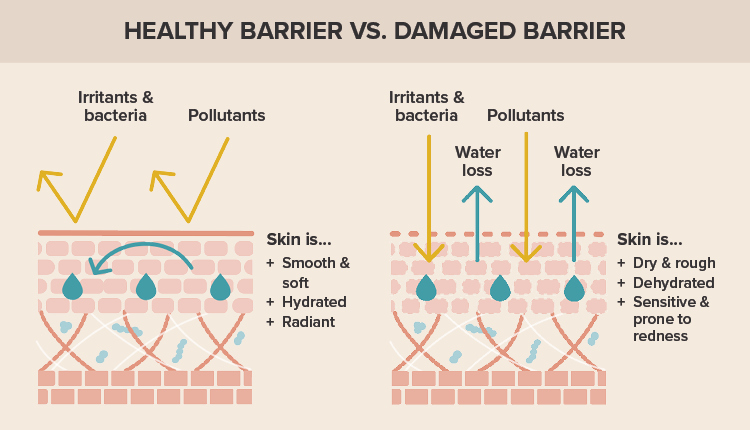
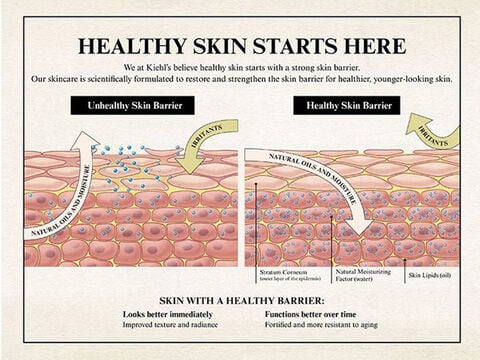
3. Barrier protection
If your barrier is damaged, nothing else works well.
4. Customization
Your routine changes depending on your skin condition.

4
That’s the real reason Korean skincare works.
Not the number of steps.
Breaking Down the 10 Steps (What Actually Matters)
Let’s simplify.
Essential steps (you actually need)
- cleanser
- moisturizer
- sunscreen
Helpful steps (optional but useful)
- toner
- essence
- serum
Occasional steps (not daily)
- exfoliation
- sheet mask
- sleeping pack
👉 The mistake beginners make:
treating all steps as mandatory daily steps
The Biggest Problem: Over-Layering



4
More layers ≠ better skin.
Too many products can cause:
- clogged pores
- reduced absorption
- irritation
- breakouts
Skin has a limit to what it can absorb.
Everything beyond that just sits on top.
Does Layering Actually Work Scientifically?
Yes — but only to a point.
Layering works when:
- products are applied thin to thick
- each layer is allowed to absorb
- ingredients are compatible
But problems start when:
- too many actives are combined
- layers become too thick
- ingredients cancel each other
👉 Good layering improves results
👉 Bad layering blocks them
What Korean Women Actually Do


4
Real routines are simple.
Typical daily routine:
Morning:
- cleanse
- hydrate
- sunscreen
Night:
- cleanse
- treatment
- moisturize
Extra steps:
- only when needed
This is very different from the “10-step every day” idea.
When the Multi-Step Routine Actually Helps
The multi-step approach is useful when:
- skin is dehydrated
- barrier is damaged
- you want to layer gentle actives
- you prefer lighter textures instead of heavy creams
In these cases, layering can:
- improve hydration
- increase ingredient delivery
- support skin recovery
When It Starts to Hurt Your Skin


4
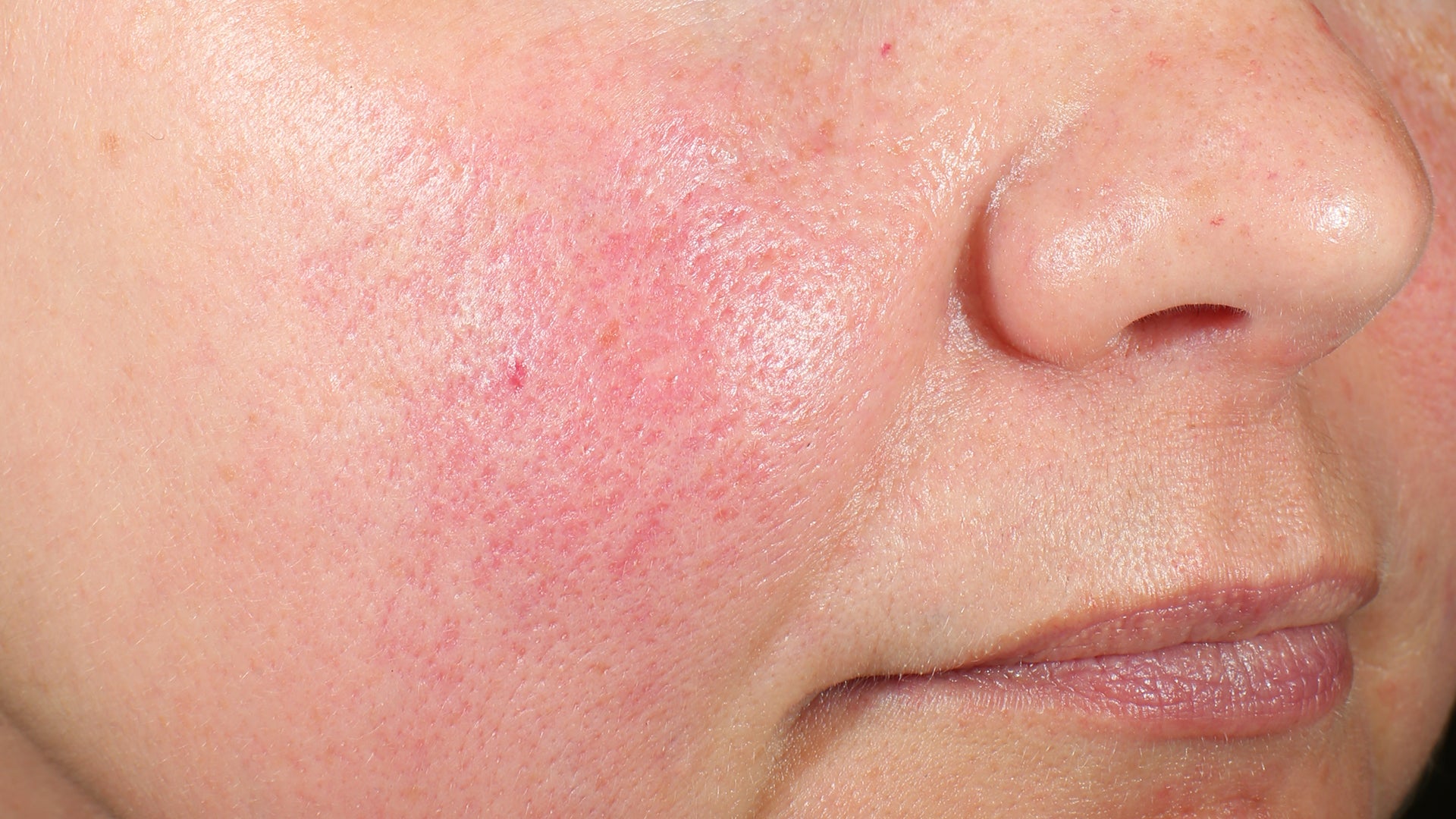
Too many steps become harmful when:
- skin feels tight or burning
- breakouts increase
- redness becomes constant
- products stop working
At that point, the routine needs to be reduced.
What Dermatologists Actually Recommend
Most dermatologists simplify everything into:
- Cleanser
- Treatment (optional)
- Moisturizer
- Sunscreen
That’s it.
Everything else is optional support.
So, Is the 10-Step Routine a Myth?
Not exactly.
It’s:
- ❌ not mandatory
- ❌ not daily
- ❌ not universal
But:
- ✅ it shows available skincare categories
- ✅ it explains layering logic
- ✅ it represents Korean skincare philosophy
The mistake is taking it literally.
The Right Way to Use Korean Skincare
Forget the number.
Follow this:
👉 Start simple
👉 Add slowly
👉 Watch your skin
👉 Adjust constantly
That is the real Korean approach.
The truth is simple:
👉 The 10-step routine is not the secret
👉 The philosophy behind it is
Korean skincare works because it focuses on:
- hydration
- consistency
- barrier health
- long-term care
Not because of how many products you use.
Related Posts
- Stop Layering Like This: Korean Skincare Mistakes
- Can You Use Retinol in a Korean Routine
- Hydrating Toner vs Exfoliating Toner
- Korean Skincare for Acne Scars
- Korean Skincare for Sensitive Skin
 K Beauty Start
Leave a comment